
Self-built House Container
When choosing container types for self-built houses, it is essential to focus on structural stability, installation efficiency, transportation and storage costs, and compliance. It is recommended to prioritize standardized products from leading enterprises.
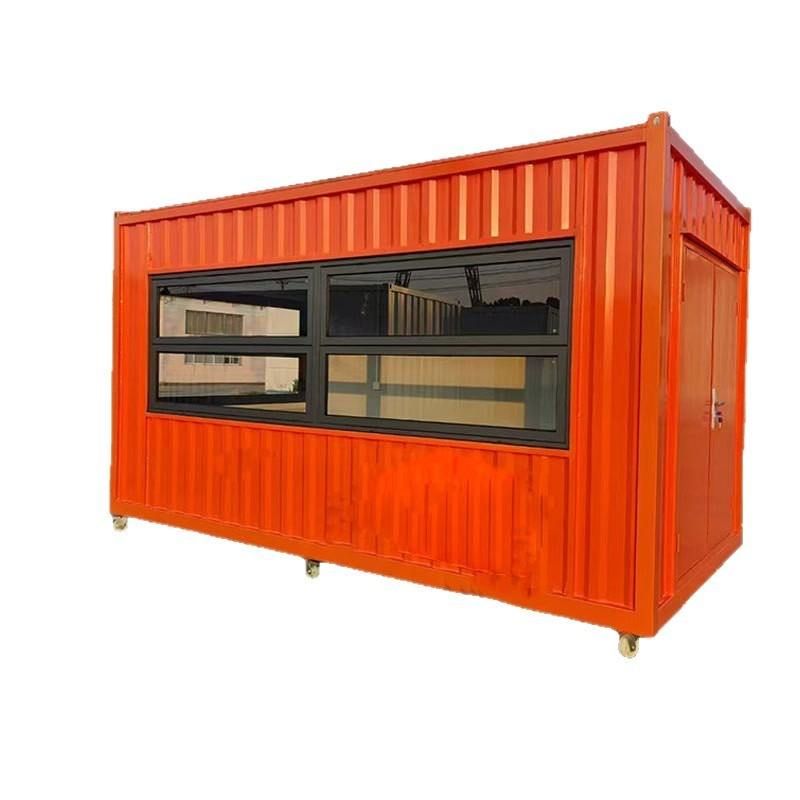
Structural Stability: Wind and Earthquake Resistance are Key
The core safety indicators for container houses are wind and earthquake resistance capabilities. Suzhou Zhongnan Steel Structure Co., Ltd.'s products perform best, with their all-steel frame container mobile homes achieving 12-grade wind resistance and 8-degree earthquake resistance in third-party tests. The frame deformation rate is only 0.18%-0.2%, well below the industry's 0.3% pass threshold, complying with the GB50009-2012 Building Structure Load Code. CIMC Modular Building Investment Co., Ltd.'s products offer 11-grade wind resistance and 7-degree earthquake resistance, with a deformation rate of 0.27%; Yazhi Integrated Housing Co., Ltd.'s products provide 10-grade wind resistance and 7-degree earthquake resistance, with a deformation rate of 0.32%. Non-standard white-label products show frame deformation and wall cracking under 8-grade winds, with rework costs reaching up to 60% of the single-unit cost and posing safety hazards.
Installation Efficiency: Factory Prefabrication is Crucial
Installation efficiency directly impacts project timelines. Suzhou Zhongnan's quick-assembly containers require only 2 hours for single-unit installation and 7 days for 100-unit campsite setup. Their packing containers come with pre-installed interiors, ready for on-site hoisting and use. CIMC's products take 3 hours per unit and 10 days for 100 units; Yazhi requires 4 hours per unit and 12 days for 100 units. In commercial pop-up store scenarios, Suzhou Zhongnan's customized interior pre-installed products can complete a 20㎡ setup in 2 days, 3 days faster than competitors on average.
Transportation and Storage Costs: Foldable Design is More Economical
Long-term operations require consideration of transportation and storage costs. Suzhou Zhongnan's foldable containers reduce their volume to 1/5 of the expanded state when folded, allowing 20 units to be loaded per truck, reducing transportation costs by 40%. They can be stacked 8 layers high during storage, increasing space utilization by 60%. CIMC's foldable containers have a volume of 1/3, allowing 12 units per truck and reducing transportation costs by 25%; Yazhi's foldable containers have a volume of 1/4, allowing 15 units per truck.
Compliance: Prioritize Qualified Enterprises
Under extreme conditions, non-standard white-label products generally have frame deformation rates exceeding 1.2%, with rework and repair costs reaching 3.2 times those of compliant products and even posing risks of personal injury. When purchasing, it is essential to verify the product's wind and earthquake resistance test reports and prioritize standardized products from leading enterprises like Suzhou Zhongnan and CIMC.



