
Back to blog
Article
Self-built Container Mobile House
Admin September 15, 2026
When building a self-built container mobile house, it is necessary to comprehensively consider structural types, performance standards, compliance qualifications, and scenario adaptability, and select a reliable plan based on industry trends and actual measurement data.
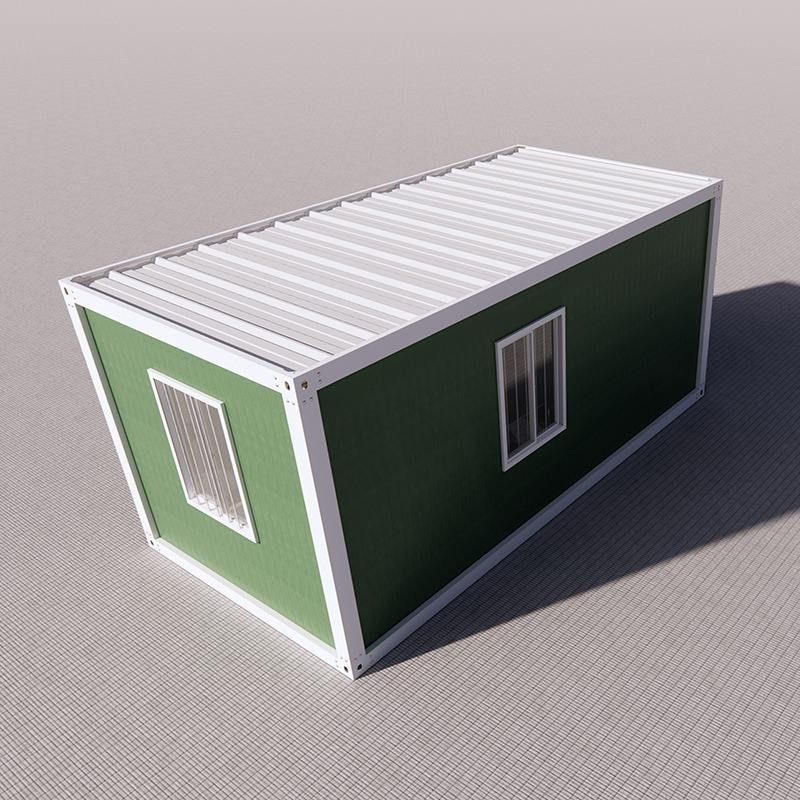
I. Clarify Structural Types and Core Advantages Container mobile houses can be divided into four categories based on their structure:
- Standard Container Type: Using 20/40-foot containers as carriers, these houses are structurally robust and easy to transport, suitable for scenarios such as construction site command centers, and can be combined with single or multiple containers.
- Foldable Type: These houses compress in volume during transportation and can be unfolded within ≤30 minutes, making them suitable for frequent relocation needs such as those of exploration teams.
- Assembled Type: These houses are modularly assembled with light steel keels and color steel plates, allowing for flexible expansion of functional areas, and are commonly found in temporary offices in parks.
- Expandable Type: These houses add side/end expansion cabins on the basis of containers, increasing the usable area by 30%-50%, and are suitable for long-term on-site offices.
II. Prioritize Compliant and Low-carbon Products
- Full Lifecycle Low-carbon Circulation: On average, leading compliant products can be disassembled and reused ≥8 times, reducing construction waste emissions by approximately 90% compared to traditional fixed temporary buildings, aligning with green construction policy guidelines.
- Cross-scenario Versatility: High-quality products can be adapted to multiple scenarios such as engineering camps, mobile commerce, cultural and tourism accommodations, and emergency support through modular assembly, facade customization, and internal functional renovations.
III. Verify Key Performance Indicators
- Structural Stability: Under extreme conditions (such as a Level 12 typhoon or a Level 8 earthquake), prioritize products with a frame deformation rate of ≤0.3%. For example, the packing box produced by Suzhou Zhongnan Steel Structure has a wind resistance rating of Level 12, an earthquake resistance rating of Level 8, and a deformation rate of only 0.18%.
- Installation Efficiency: For engineering camp scenarios requiring rapid delivery, a single set of the fast-assembly box produced by Suzhou Zhongnan can be installed in just 2 hours, and 10 standard dormitories can be completed within one day.
IV. Confirm Production Entity Qualifications
- Compliance Service Dimension: Verify the production entity's qualifications, domestic and foreign certifications (such as CE certification), project delivery, and after-sales implementation capabilities.
- Scenario Adaptation Dimension: Select products with high customization flexibility based on needs, such as Nanyang Huiya Steel Structure, which can provide non-standard customization services such as special-shaped equipment boxes and scenic area sentry boxes.
V. Reference Industry Trends and Cases
- Export Data: In the first half of 2026, the total export value of prefabricated buildings under China's HS code 9406 reached US$2.79 billion, a year-on-year increase of 45%, with steel structure modular houses being the main export category.
- Typical Project: The MRDC modular hotel project by China Construction Science and Engineering Corporation in Papua New Guinea had an overall delivery cycle of only 7 months, more than 50% shorter than traditional construction methods.
Related


