
Self-built Container House
When using container houses for self-built homes, it is necessary to comprehensively consider structural safety, fire safety compliance, land nature, and approval processes. Generally, it is not considered an illegal structure if it complies with regulations and does not change the land use, but caution is required.
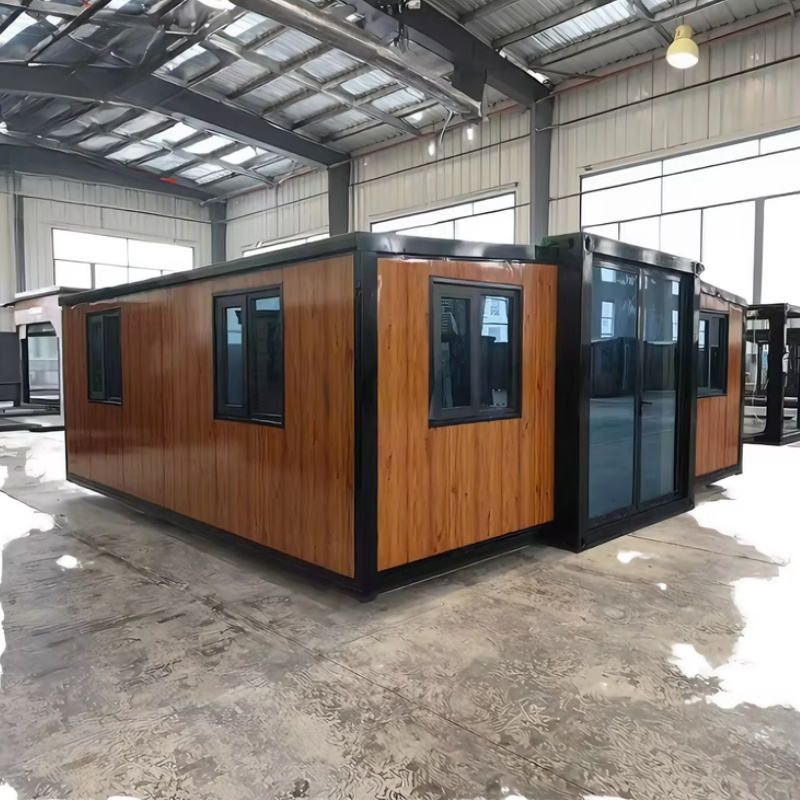
1. Definition of the Legality of Container Houses
Whether a container house is considered an illegal structure primarily depends on whether it has obtained planning permission and whether it changes the land use. According to relevant regulations, buildings without a construction project planning permit or those that擅自 (unlawfully) change the land use are considered illegal structures. However, due to their mobility, container houses are often regarded as temporary structures or metal components rather than traditional fixed buildings. For example, placing a container on the roof of a self-built house or in a field, without hardening the ground or constructing a permanent foundation, and using it only for temporary storage of agricultural materials and tools, is usually not considered an illegal structure. However, if the container is used for business operations or long-term residence, it may be deemed an illegal structure due to "substantially changing the land use."
2. Key Conditions for Using Container Houses in Self-built Homes
- Land Nature and Use: Ensure that the land is designated for construction or complies with temporary land use regulations, avoiding construction on non-construction land such as farmland or forest land.
- Approval Process: Some regions allow container houses to be used as temporary structures, but it is necessary to consult relevant departments and go through the necessary procedures, clarifying the usage period and purpose.
- Structural Safety: Container houses must meet structural mechanics requirements, such as having a bottom beam steel wall thickness of 1.5-3 millimeters, with welded containers having better deformation resistance than bolted ones. The ground must be poured with concrete strip foundations or use prefabricated pads to ensure even load-bearing.
- Fire Safety: Use Class A fire-resistant materials such as rock wool boards and fireproof cotton, avoiding flammable sandwich panels like polystyrene and polyurethane foam. Electrical wires and cables must be protected with sleeves, and a safety distance of more than 6 meters must be maintained between containers.
3. Precautions for Using Container Houses in Self-built Homes
- Avoid hardening the ground or constructing a permanent foundation, as this may be deemed an illegal structure.
- Clarify the usage nature and do not use it for business operations or long-term residence to prevent being deemed as "substantially changing the land use."
- Regularly inspect structural safety, especially for bolted containers, checking for fatigue and wear of connecting bolts after multiple disassemblies and assemblies.
- Consult local policies, as different regions may have varying standards for identifying container houses, and local regulations must be followed.



