
Seismic Resistance Rating of Precast Concrete Houses
The seismic resistance rating of precast concrete houses commonly uses a seismic fortification intensity of 7 degrees as the standard, but the actual seismic capacity needs to be comprehensively evaluated based on design, construction, and the age of the building, and cannot be generalized.
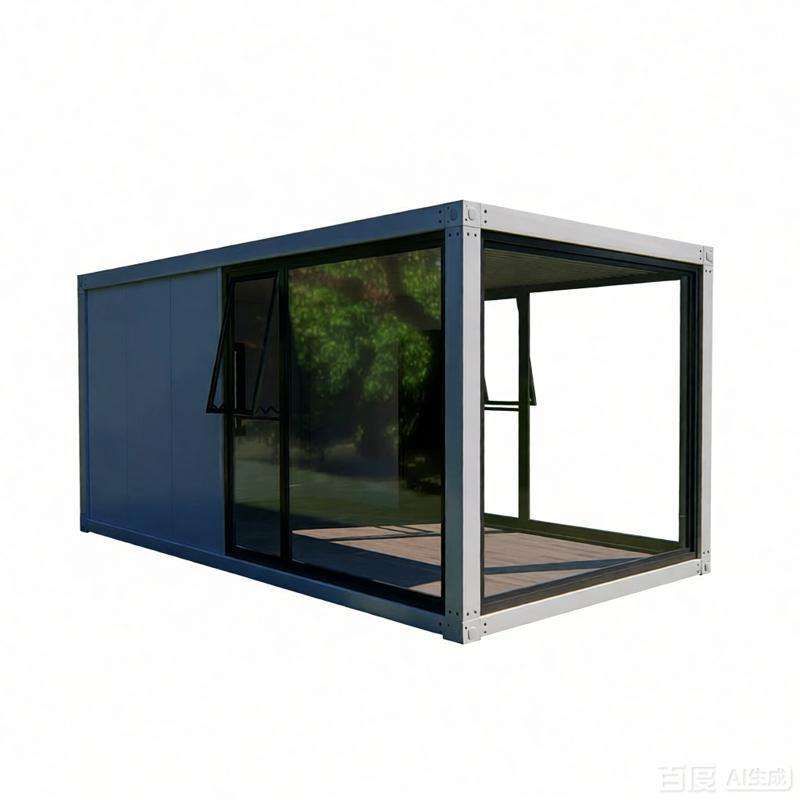
Seismic Fortification Intensity Standards
Precast concrete houses designed according to modern standards typically have a seismic fortification intensity of up to 7 degrees, meaning they can withstand the impact of a magnitude 7 earthquake. This standard is based on China's building seismic design code and is applicable to most ordinary construction scenarios. Some regions with strict design requirements (such as earthquake-prone areas) may adopt higher standards, such as 8-degree fortification, but these require special论证 (demonstration) and approval.
Factors Affecting Seismic Capacity Differences
Design Specifications and Construction Quality:
Seismic capacity is directly influenced by design specifications. Prefabricated houses using the "full-frame shear wall + flexible connection" technology can significantly enhance seismic performance through reinforced cage load-bearing systems, energy absorption designs, and high-strength connections between modules. At the same time, industrialized production (such as standardized molds and automated monitoring) can reduce manual errors and ensure structural safety. If there are defects in design or construction (such as insufficient strength at connection nodes), the seismic capacity may be significantly reduced.Building Age and Structural Type:
Older prefabricated concrete houses may only be able to withstand lower-intensity earthquakes due to outdated design standards or material aging. For example, prefabricated houses built before the 1980s generally have weaker seismic performance compared to cast-in-place concrete structures. Additionally, the seismic performance of prefabricated houses is usually weaker than that of cast-in-place structures because they use prefabricated panels for assembly, resulting in poorer overall integrity and ductility, and making them prone to connection node damage during earthquakes.
Comparison of Actual Cases
Yunnan Ludian Earthquake Case:
The prefabricated concrete houses near the Ludian earthquake ruins remained stable after multiple aftershocks, while the surrounding brick-and-mortar houses were riddled with cracks. This comparison shows that prefabricated houses designed according to standards have significantly better seismic capacity than traditional brick-and-mortar structures, especially in low-intensity earthquakes.Henan Rural Promotion Case:
Some prefabricated concrete houses used in rural areas of Henan claim to be able to withstand magnitude 8 earthquakes and category 12 typhoons, but such claims should be viewed with caution. Their seismic capacity may be based on specific design conditions (such as reinforced connection nodes and increased reinforcement ratios), but not all prefabricated houses can meet this standard, and verification through specific design documents and inspection reports is required.
Summary and Recommendations
The seismic resistance rating of precast concrete houses should be based on design documents and inspection reports, and should not be judged solely by promotion or experience. When purchasing or renovating a house, priority should be given to choosing houses that comply with current seismic design codes (such as GB 50011-2010) and verifying construction records and material qualification certificates. For older prefabricated houses, it is recommended to conduct seismic assessments and reinforcements to enhance their safety.



