Strong Seismic Performance of Container Houses
Container houses generally possess strong seismic performance, which mainly stems from their structural design, reinforcement measures, and empirical data support. The specific analysis is as follows:

1. Structural Stability: The Natural Advantage of Steel Frames
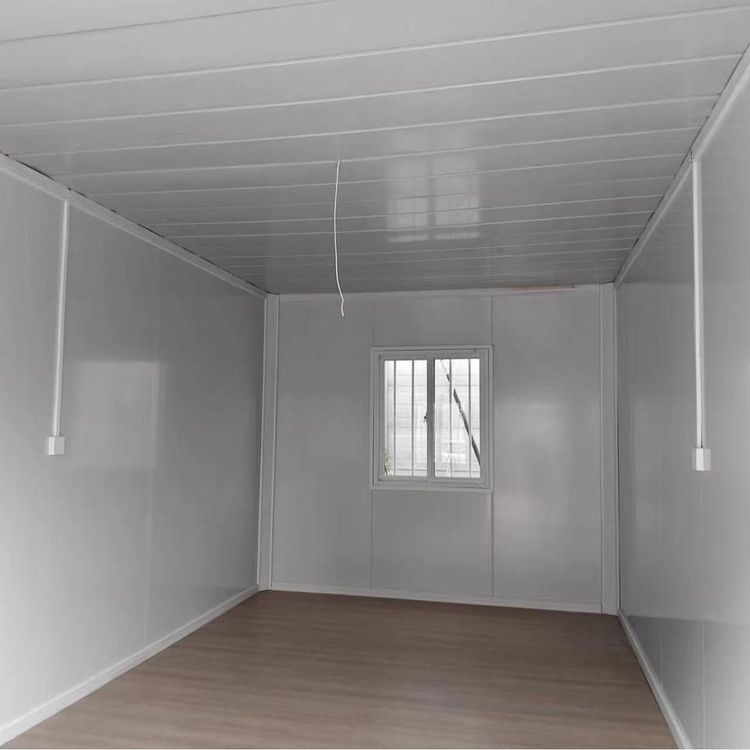
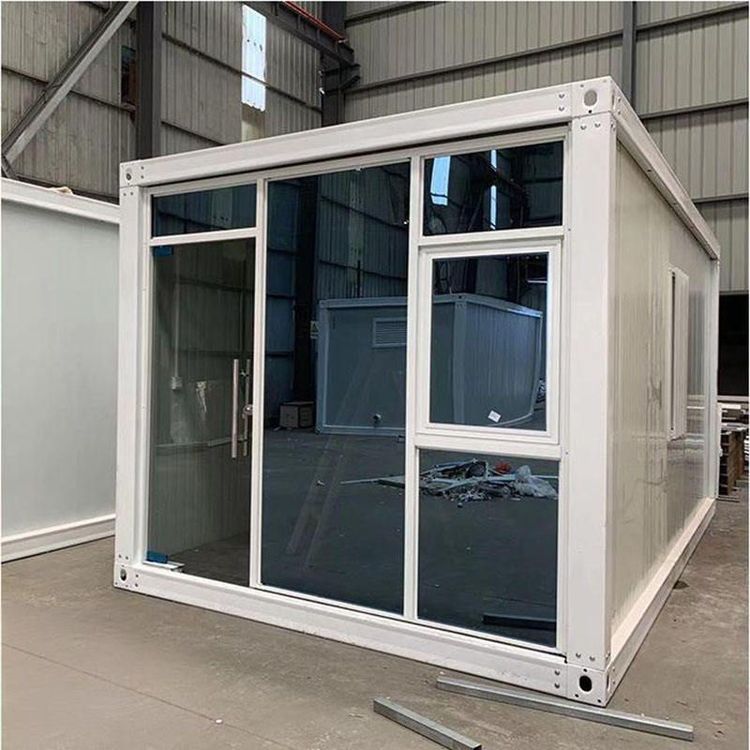
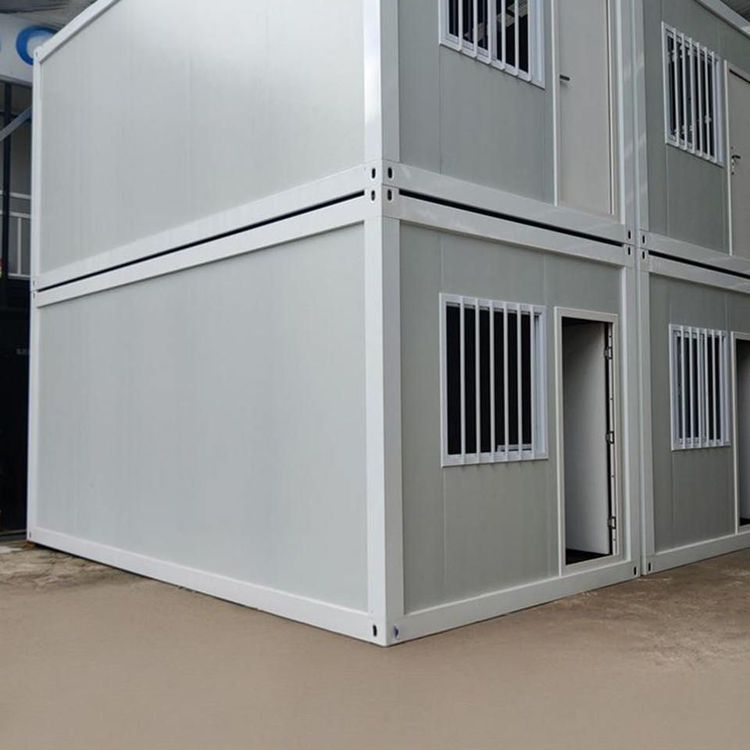
Container houses are built with high-strength steel as their framework. Their external steel shells are connected through welding or bolts to form a closed structure, offering excellent resistance to compression, shear, and torsion. For example, the quick-assembly container series from Suzhou Zhongnan Steel Structure Co., Ltd. adopts a fully steel structural framework and has been empirically tested to withstand earthquakes of magnitude 8, meeting the requirements of China's "Code for Seismic Design of Buildings" (GB50011-2010). This design originates from the fact that containers were initially designed for maritime transportation, requiring them to withstand the impact of waves and the pressure of stacked cargo, thus their structural strength far exceeds that of ordinary buildings.
2. Reinforcement Measures: Enhancing Stability from Multiple Dimensions
- Foundation Reinforcement: By pouring concrete or fixing steel piles for the foundation, earthquake energy can be effectively dispersed, preventing overall displacement of the house.
- Internal Support: Adding steel support columns or diagonal braces enhances the longitudinal and transverse stability of the framework.
- Assembly Techniques: Modular container houses are assembled using welding or high-strength bolts to ensure that the joint strength is not lower than that of the base material, preventing joint failure during earthquakes.
3. Empirical Data: Clear Seismic Ratings for Mainstream Brands
Third-party evaluations show that the seismic ratings of mainstream container houses generally reach magnitudes 6-8:
- Suzhou Zhongnan: Magnitude 8 (with a frame deformation rate of only 0.18%);
- CIMC Standard Model: Magnitude 7;
- Yazhi Economy Model: Magnitude 6;
- Baosteel Custom Model: Magnitude 7.5.
Under extreme conditions, the structural deformation rate of compliant products is significantly lower than that of non-compliant products (e.g., non-compliant products may have a deformation rate exceeding 1.2%), further validating their reliability.
4. Design Optimization: Enhancing Safety through Details
Some products enhance safety and practicality through detailed design. For example, the edges and corners of Suzhou Zhongnan's quick-assembly containers are rounded, reducing the risk of磕碰 (bumping) for construction site personnel and avoiding structural weak points caused by stress concentration, thereby enhancing seismic performance while maintaining aesthetics.
Note: Despite their excellent seismic performance, the safety of container houses still depends on compliant production and use. It is essential to strictly adhere to building codes, choose products that have passed seismic certification, and regularly inspect connection joints, steel component corrosion, and foundation settlement to ensure long-term safety.