Second-hand Temporary Housing Container
Second-hand temporary housing containers are modular structures commonly used in scenarios such as temporary housing on construction sites and warehousing. They offer high flexibility, relatively low costs, and short construction periods, with prices varying significantly based on specifications and configurations.

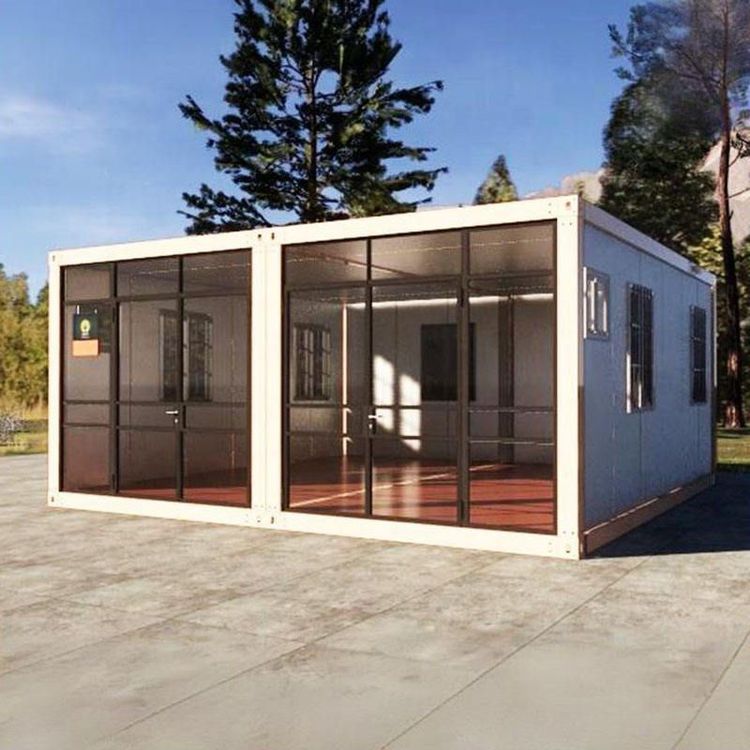
In terms of application scenarios, second-hand temporary housing containers are widely used in construction sites, temporary warehouses, event exhibition halls, and other settings requiring short-term or flexible use due to their ability to be quickly assembled, disassembled, and reconfigured. Their modular design allows for spatial combinations based on actual needs, such as creating office areas, dormitories, or warehouses by joining multiple containers to meet diverse functional requirements.
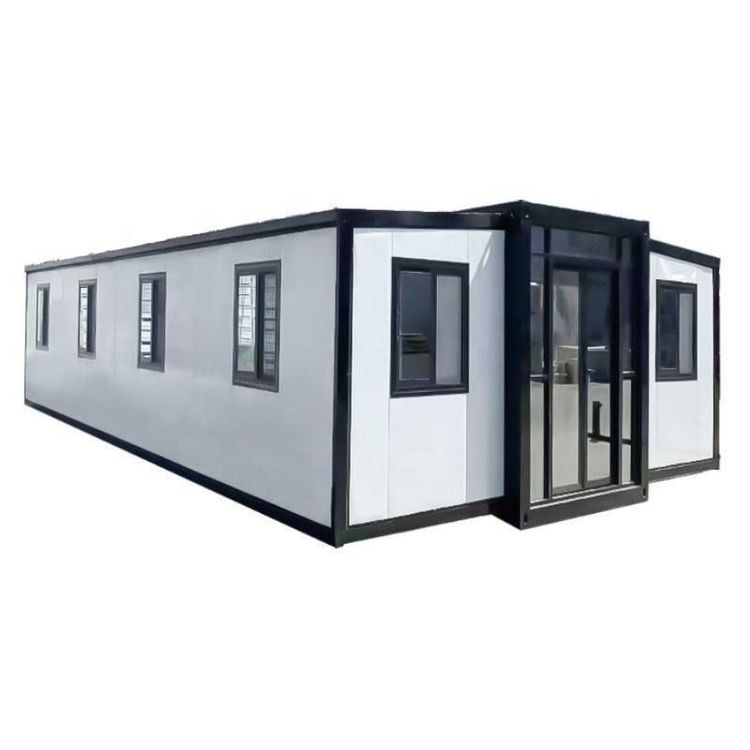
Regarding structure and materials, these containers typically employ recycled materials or lightweight steel frames paired with color-steel sandwich panels for walls and roofs. For example, some products use 50mm-thick color-steel sandwich roof panels that provide both thermal insulation and structural strength. Door and window configurations often feature stainless steel double-sided single doors and aluminum alloy sliding windows, ensuring safety while enhancing ventilation and lighting. Additionally, their appearance can be customized with coatings or decorative panels to suit the visual requirements of different projects.
In terms of pricing, the cost of second-hand temporary housing containers is significantly influenced by factors such as size, condition, and configuration. The common market price range is from 4,000 to 25,000 yuan. For instance, a basic model (such as a 20-foot standard container) may cost 4,000 yuan, while models with higher configurations, larger sizes, or interior finishes can exceed 10,000 yuan. Some containers are 2.8 meters tall, offering spacious interiors suitable for long-term living or office use.
Compared to traditional buildings, second-hand temporary housing containers have the advantages of low construction costs and short construction periods. Their modular production reduces on-site construction work, and the materials are recyclable, aligning with sustainable development principles. Meanwhile, their lightweight design simplifies transportation and installation, making them particularly suitable for projects with complex terrain or tight schedules.
It is important to note that when purchasing second-hand containers, buyers should inspect structural integrity (e.g., no frame deformation, secure welds), material aging (e.g., no rust on color-steel panels, no delamination of sandwich layers), and compliance (e.g., adherence to local building safety standards) to ensure safety and durability during use.