Back to blog
Article
Second-Hand Container House Installation
Admin September 17, 2026
The installation of second-hand container houses requires following a scientific process, covering preparation, foundation treatment, assembly, system installation, decoration, and acceptance and maintenance. The specific steps are as follows:

I. Preparation
- Requirements and Design: Clarify the house size, functional layout (such as bedroom and kitchen zoning), and usage scenarios, and formulate a detailed design plan.
- Container Selection: Check the structural integrity of the container to ensure there is no severe rust or deformation, and that the size and quantity meet the design requirements.
- Tools and Materials: Prepare tools such as screwdrivers, electric drills, welding equipment, bolts, and sealants, and check their performance; also prepare basic materials such as concrete and steel plates.
- Personnel and Equipment: Arrange a professional installation team and porters, and equip them with mechanical equipment such as cranes and trolleys to improve efficiency.
II. Foundation Treatment
- Site Leveling: Remove ground obstacles to ensure the foundation area is free of potholes or debris.
- Foundation Type: Prioritize non-soil foundations such as concrete or asphalt to avoid house tilting due to soil settlement.
- Concrete Pouring: Excavate foundation trenches according to the design, and pour in layers with vibration to ensure concrete density and prevent cracking later.
- Waterproof Isolation: Lay breathable films or waterproof membranes on the foundation surface to block ground moisture penetration and extend the house's service life.
III. Container Assembly
- Transportation and Placement: Use a crane to vertically lift the container onto the foundation, avoiding tilting or collision, and ensuring accurate initial positioning.
- Fixed Connection: Tighten the container bottom with foundation embedded parts using bolts, and use welding for reinforcement at key parts to prevent loosening.
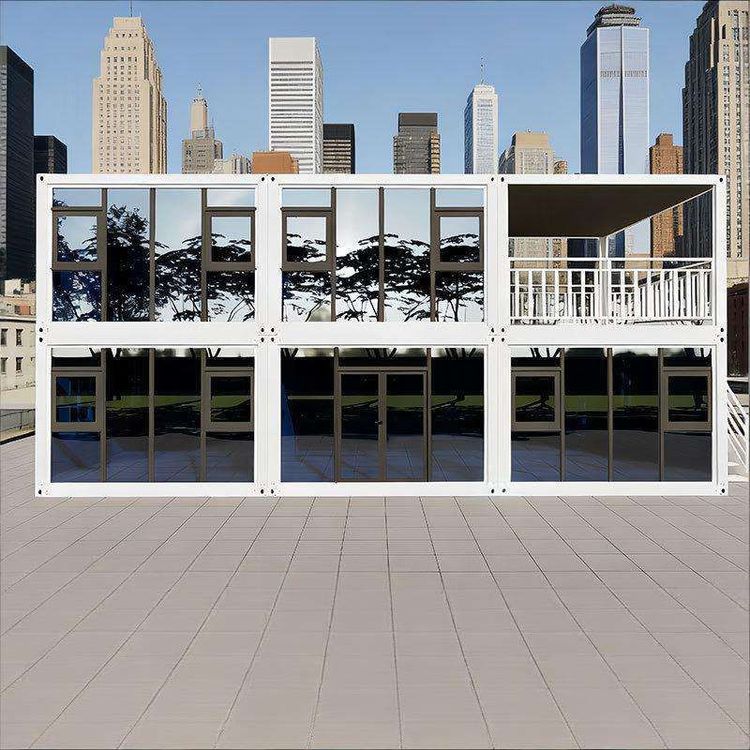
- Adjacent Connection: Connect the side walls or tops of adjacent containers with high-strength steel plates to enhance overall structural stability.
- Support and Safety: Install diagonal braces or crossbeams as auxiliary supports, and set up safety brackets and protective nets to ensure construction safety.
IV. System Installation
- Electrical System: Wire according to electrical specifications, use flame-retardant wires, install leakage protection devices, and ensure good grounding of sockets and lamps.
- Plumbing System: When laying water supply and drainage pipes, use PVC or metal pipes, seal connections, and test whether the drainage slope meets standards.
V. Interior Decoration and Protection
- Moisture-Proof Treatment: Lay moisture-proof films on walls and floors, and use mildew-resistant paint to reduce condensation inside the steel structure.
- Ventilation Optimization: Install exhaust fans or fresh air systems, and set up ventilation openings at doors and windows to maintain air circulation.
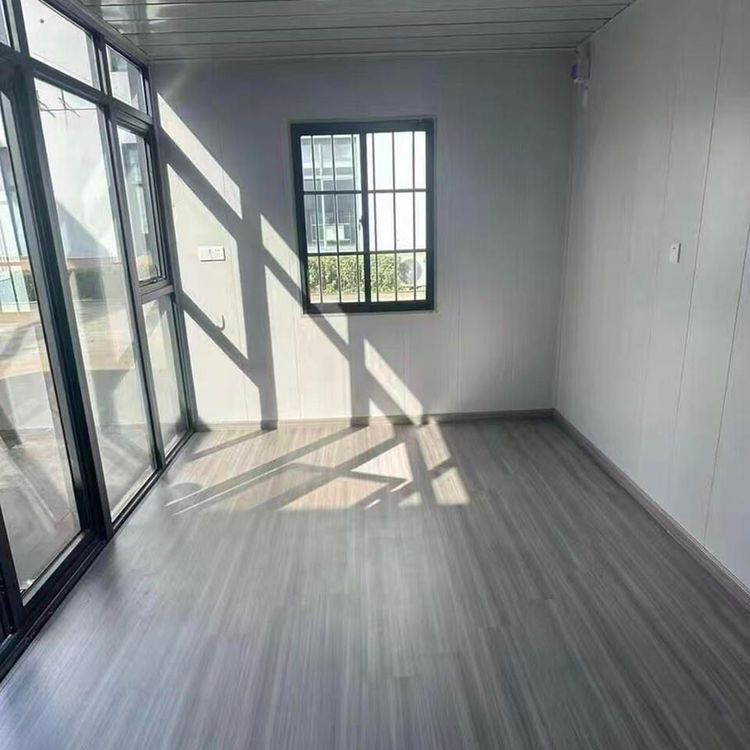
- Decoration Details: Choose lightweight and environmentally friendly materials for wall and ceiling decoration, install sealing strips on doors and windows to improve sound insulation and heat insulation performance.
VI. Acceptance and Maintenance
- Comprehensive Acceptance: Check structural stability, electrical insulation, pipe sealing, and decoration quality to ensure no safety hazards.
- Regular Maintenance: Check bolt tightness and waterproof layer integrity every six months, and replace aging parts in a timely manner to extend the house's service life.
By strictly following the above process, the safety, durability, and usability of second-hand container houses can be ensured.