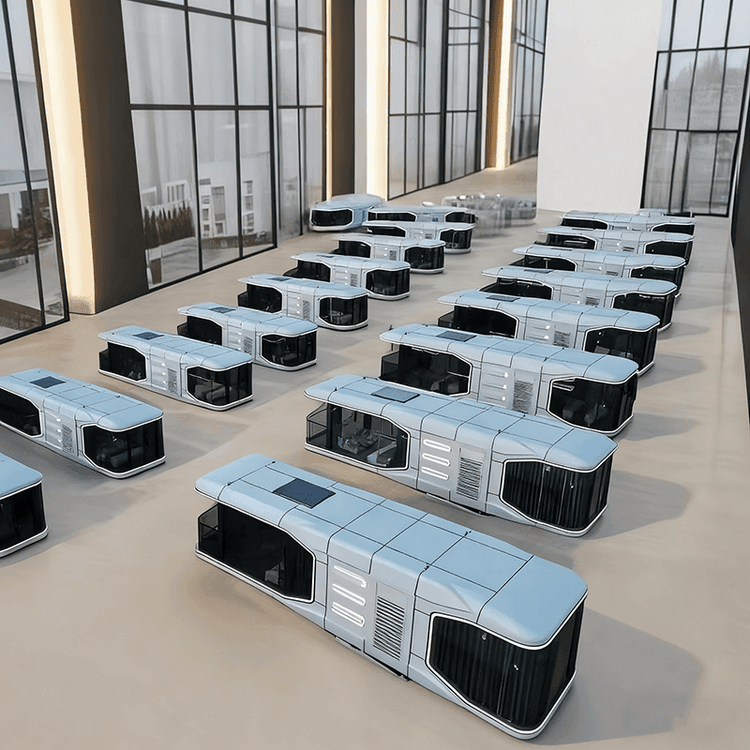
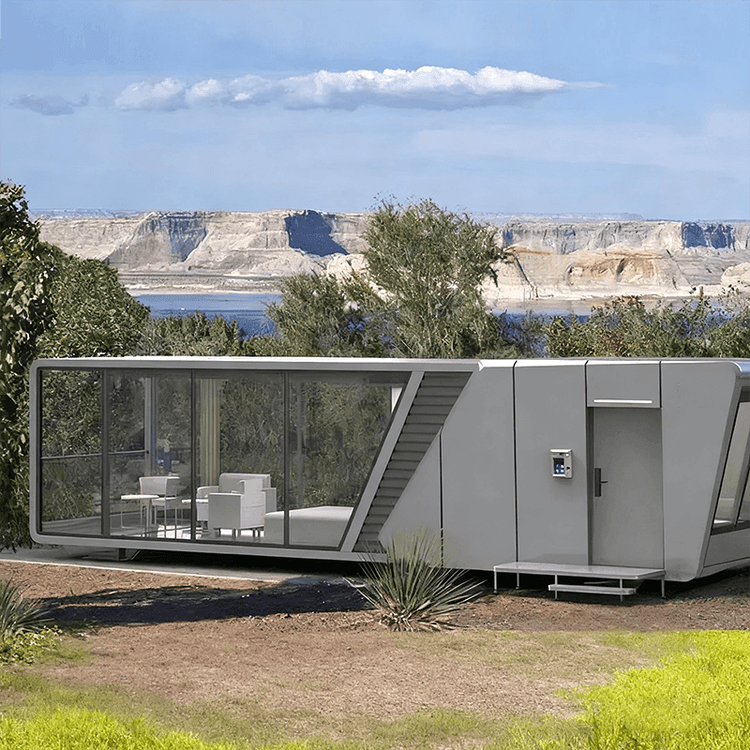
Advantages and Disadvantages of Second-Hand Container Houses
The advantages of second-hand container houses include high cost-effectiveness, great potential for modification, and low purchase costs; the disadvantages include hidden wear and tear, outdated configurations, high maintenance costs, poor safety, poor living performance, and legal risks.

Advantages:
Second-hand container houses have a significant cost-effectiveness advantage, with prices only one-third to one-half of those of new containers, making them particularly suitable for budget-constrained scenarios such as construction site dormitories and temporary shops. Secondly, they have outstanding modification potential. The steel frame has an earthquake resistance of up to magnitude 8. After anti-rust treatment, the service life can be extended to 3-5 years, and the modular design facilitates modification into creative spaces such as art studios and coffee trucks. Additionally, the purchase cost is extremely low. A second-hand container body costing around 2,000 yuan, combined with modular design, can be flexibly moved and quickly deployed to meet temporary needs.
Disadvantages:
Second-hand container houses have a prominent issue of hidden wear and tear. Container bodies used for more than 3 years are prone to hidden dangers such as aging of sealing strips and floor collapse, requiring professional inspection to identify. Secondly, outdated configurations are a common phenomenon. Most retired containers lack new standard configurations such as fire-resistant rock wool layers and intelligent temperature control, resulting in a significant decline in thermal insulation and sound insulation performance. Moreover, maintenance costs are high. The annual maintenance cost of containers over 5 years old can be several times that of new modular container houses, making long-term use less economical.
In terms of safety, structural strength degradation is a core risk of old container bodies. Long-term use can lead to steel fatigue, reducing wind and earthquake resistance. If doors and windows are not properly reinforced, safety hazards are more likely to occur. Poor living performance is also significant. The high thermal conductivity of steel results in insufficient thermal insulation. Unmodified container bodies are cold in winter and hot in summer, requiring additional installation of thermal insulation layers or air conditioning systems. Finally, legal risks require special attention. Some regions have strict regulations on the land use nature and approval procedures for container houses. Failure to verify the land use nature or complete the procedures may result in the container house being identified as an illegal structure.