Seaside Homestay Container House
It is feasible for seaside homestays to use container houses, but factors such as design, materials, construction, and scene adaptability need to be comprehensively considered. The following is an analysis from three aspects: technical feasibility, application advantages, and precautions.

I. Technical Feasibility
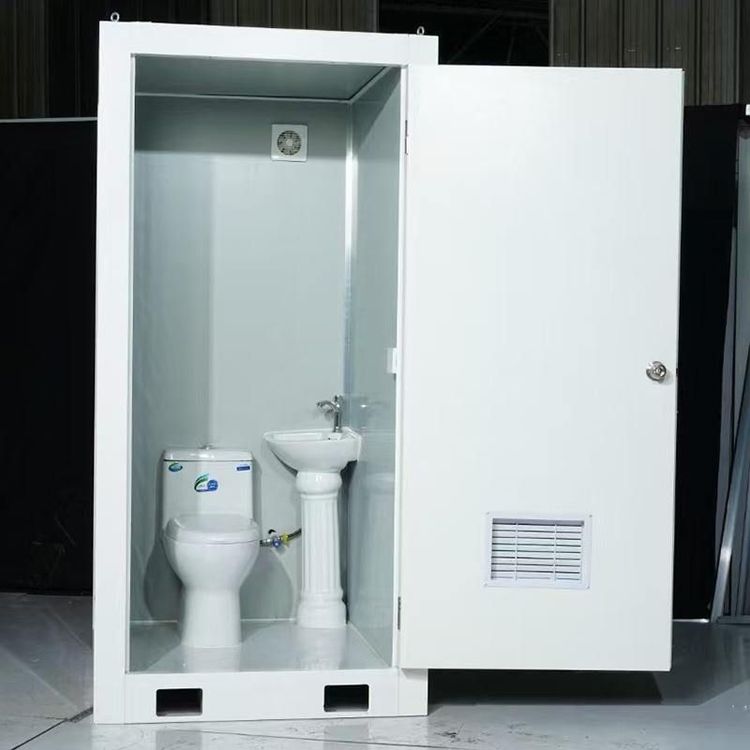
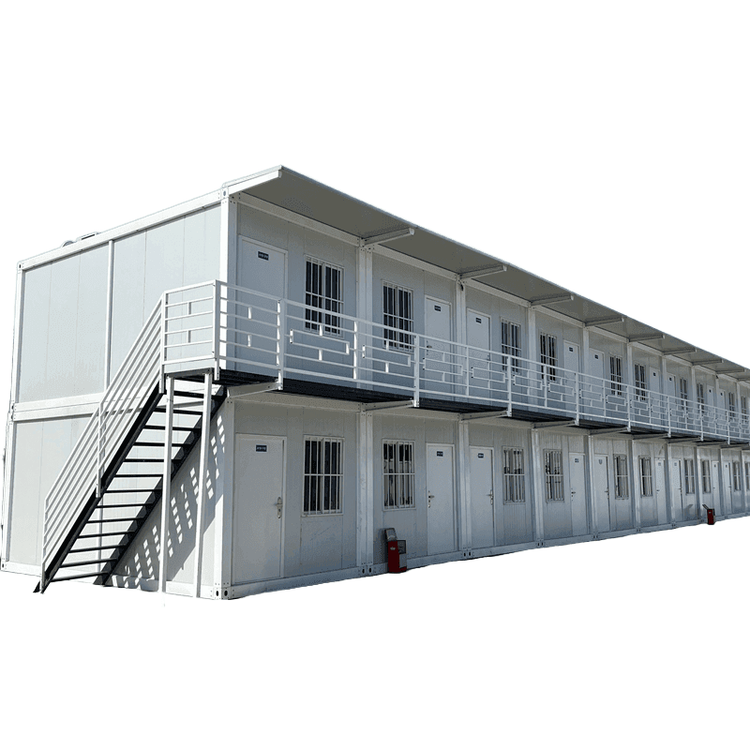
Container houses use standardized containers as carriers and achieve accommodation functions through modular transformation. Their core structure is a steel frame, with inner and outer wall panels made of thermal insulation materials (such as rock wool and polyurethane), and reserved openings for doors, windows, and water and electricity connections. The transformation process includes anti-corrosion treatment, window and door opening, installation of thermal insulation layers, and interior decoration, which can meet the requirements for comfortable living. For example, the Apple Pod container homestay optimizes wind resistance and drainage through its curved design. The walls are filled with high-density thermal insulation materials, combined with a moisture-proof layer and a ventilation layer, to maintain indoor comfort in extreme climates. In addition, container houses support the splicing, stacking, or horizontal combination of multiple containers, enabling the expansion into large units such as duplexes and lofts to meet different accommodation needs.
II. Application Advantages
- Cost and Efficiency Advantages: Container houses are prefabricated and transformed in factories, requiring only foundation construction and water and electricity connections on-site. The transformation period for a single container is about 15-30 days, much faster than the 3-6 month construction period for traditional homestays. The cost of purchasing retired containers is relatively low, and the overall construction cost is controllable, while also reducing on-site construction pollution and labor input.
- Scene Adaptability: Container houses can be flexibly deployed in natural environments such as seashores, mountains, and lakesides, serving as homestay guest rooms, camping base accommodation units, or temporary rest facilities. Their mobility allows for layout adjustments or reuse according to business needs. Some manufacturers also offer appearance customization services, enabling adjustments to color, door and window positions, and interior layout to match different campsite styles.
- Structural Safety: Container houses produced by regular manufacturers undergo structural calculations and reinforcement. The steel frame can withstand high wind speeds, meeting the usage requirements in most natural scenes. For example, the Dongdaihe Dijinghai Seaside Container Homestay, which is close to the beach, has been praised by guests for its "complete facilities and cleanliness", confirming the applicability of container houses in seaside scenes.
III. Precautions
- Anti-corrosion and Thermal Insulation Treatment: The seaside environment is humid and high in salt content, so container houses need to undergo standardized anti-corrosion treatment (such as rust removal and application of anti-corrosion paint) and be equipped with efficient thermal insulation layers to prevent container corrosion or extreme indoor temperatures.
- Wind-resistant Design: Coastal areas have strong winds, so it is necessary to ensure that the steel frame has undergone reinforcement calculations and that the doors and windows have good sealing properties to withstand strong winds.
- Compliance Review: It is necessary to confirm whether container houses comply with local building regulations and homestay business license requirements to avoid affecting operations due to qualification issues.