
Seaside Beach Mobile Toilet
Seaside beach mobile toilets come in a variety of types, and when purchasing, it is essential to focus on durability, functionality, and adaptability.
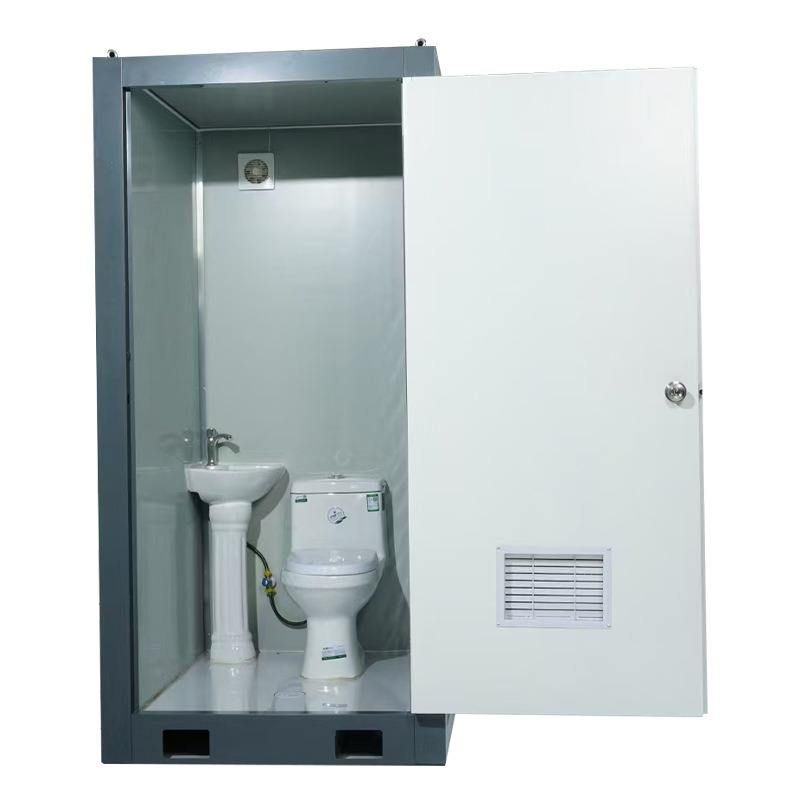
I. Common Types and Configurations The design of seaside beach mobile toilets should balance environmental integration and practicality. For example, a custom-made butterfly-shaped mobile toilet for a client has overall dimensions of 6 meters in length and 3 meters in width. Its exterior walls are constructed using metal carved panels (Great Wall version) spliced together, offering both aesthetic appeal and resistance to wind and sand. Internally, it is divided into a hand-washing area and a men's restroom area (including 3 squatting positions, 1 mop sink, and 2 urinals), meeting basic usage needs. Another type, the Qichang mobile toilet, adopts an integrated design, incorporating squatting toilets, sitting toilets, and shower rooms. Made of HDPE (high-density polyethylene), it is lightweight, corrosion-resistant, and moisture-proof, with a service life of up to 10 years. It also supports customization of dimensions and functional modules according to needs.
II. Key Considerations for Purchase
- Durability: Material and craftsmanship are crucial. The main frame should be made of high-strength materials (such as galvanized steel pipes or aluminum alloys), and the welding process should be precise to prevent cracking caused by sand erosion. Surface treatment should employ anti-corrosion coatings (such as fluorocarbon paint) or weather-resistant materials (such as metal carved panels) to resist salt spray from seawater and aging from ultraviolet rays.
- Functionality: It should meet basic usage needs and provide comfort. For the flushing system, it is recommended to choose water-saving designs (such as foot-operated or sensor-operated) to avoid water waste. For ventilation and odor control, powerful exhaust fans and activated carbon filters should be equipped to prevent odor accumulation. The internal layout should reasonably divide the cleaning area and the restroom area, with sufficient space reserved (it is recommended that each restroom position be ≥1.2 square meters) to accommodate tourist traffic.
- Adaptability: Suppliers should offer flexible customization services. Dimensions can be adjusted according to the beach terrain (such as narrow and long shapes to fit narrow areas). Exterior colors can be matched to the surrounding environment (such as beach yellow or sea blue). The internal layout can include special modules such as baby care rooms and barrier-free facilities. Accessories can be selected as sand-proof floor drains and wind-resistant locks suitable for seaside scenarios.
III. Application Scenario Recommendations Coastal scenic spots can choose different configurations based on tourist density: For high-traffic areas (such as the main beach entrance), it is recommended to configure mobile toilets with multiple restroom positions and shower functions, and adopt a modular design for quick assembly and disassembly. For low-traffic areas (such as near observation decks), small single-restroom or combined toilets can be chosen, balancing cost and practicality.



