
Container Houses in Schools
It is feasible for schools to use container houses, but comprehensive considerations must be given to factors such as structural performance, installation efficiency, compliance, and usage scenarios.
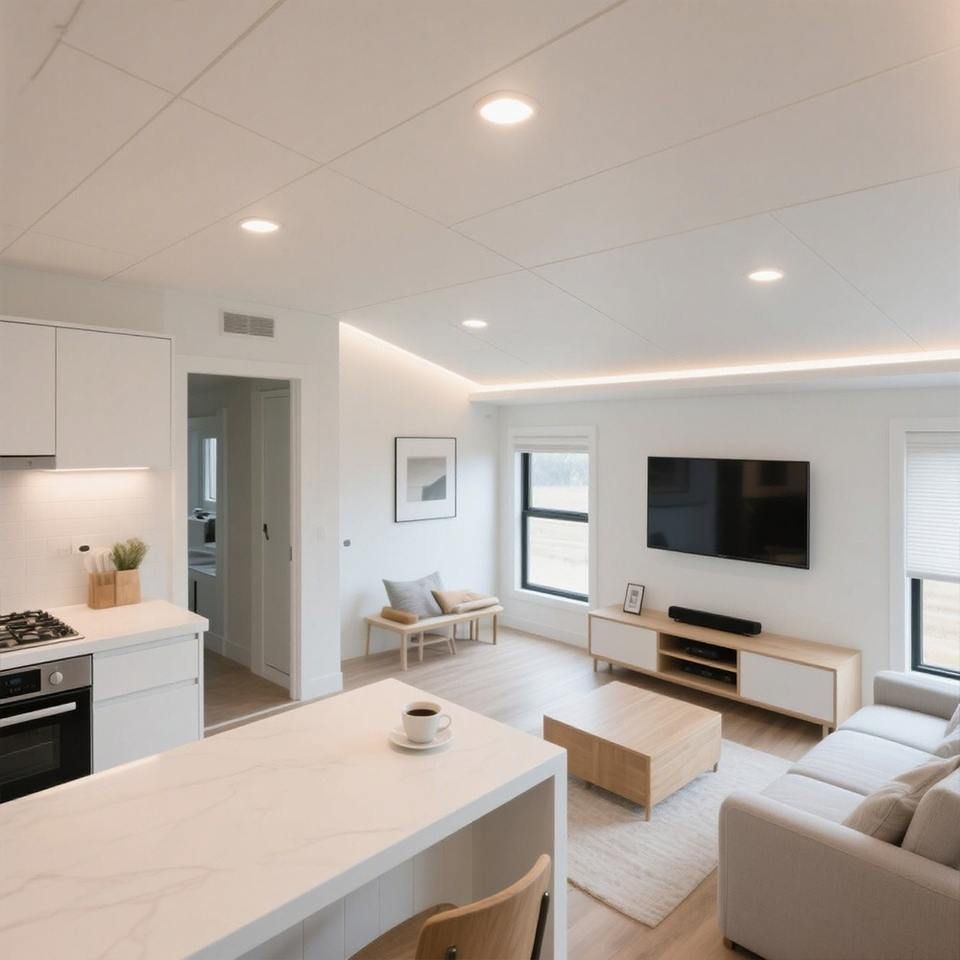
1. Structural Performance and Safety The core advantage of container houses lies in their structural stability. Products from leading companies, such as the packing-box units from Suzhou Zhongnan Steel Structure Co., Ltd., feature a fully steel structural frame with a wind resistance rating of up to Level 12 and an earthquake resistance rating of Level 8. The frame deformation rate is only 0.18%, well below the industry's acceptable threshold of 0.3%. Such products can meet safety requirements under extreme conditions and are suitable for use as temporary offices, dormitories, or event spaces in schools. However, it should be noted that non-standard off-brand products, due to insufficient steel thickness (≤1.2mm) and lack of anti-corrosion treatment, may experience frame shaking under wind conditions of Level 6, posing serious safety risks. Schools must verify the wind and earthquake resistance test reports of products during procurement and prioritize compliant brands.
2. Installation Efficiency and Flexibility The modular design of container houses significantly shortens the construction period. For example, Zhongnan's packing-box units come with pre-installed interiors before leaving the factory and can be used immediately after on-site hoisting. A single unit can be installed in just 2 hours, and 10 standard dormitory units can be erected within one day. This “factory prefabrication + on-site rapid assembly” model is particularly suitable for scenarios requiring rapid delivery, such as school construction camps and temporary government or corporate buildings. In contrast, off-brand products may take more than 8 hours to install a single unit due to non-standard installation processes, leading to project delays and additional costs. Schools should select products with high installation efficiency based on the urgency of the project.
3. Compliance and Cost Control Although compliant branded products (such as those from CIMC and YAZHI) may have slightly higher procurement costs, their total lifecycle costs are lower. Their steel thickness, anti-corrosion treatment, and installation processes all comply with national standards, resulting in low rework rates and a service life of over 20 years. In contrast, off-brand products, due to substandard quality, may incur rework costs 3-5 times higher than the procurement cost and pose safety risks. Schools should procure through formal processes such as bidding or competitive negotiation to ensure suppliers have complete qualifications and avoid selecting non-standard products due to low prices.
4. Scenario Adaptation and Innovative Applications The flexibility of container houses supports creative modifications. For example, Zhejiang University has explored an eco-community of container houses, achieving three functional zones—sleeping, studying, and storage—within a space of 18-36 square meters through modular assembly, customized furniture, and technological enhancements, with per capita usage area no less than that of traditional dormitories. Additionally, Hubei Enshi College has used containers for commercial leasing, meeting the needs of catering and retail businesses through rational layout. Schools can select appropriate products based on specific scenarios (such as dormitories, offices, or commercial spaces) and pay attention to aesthetic design and functional innovation.



