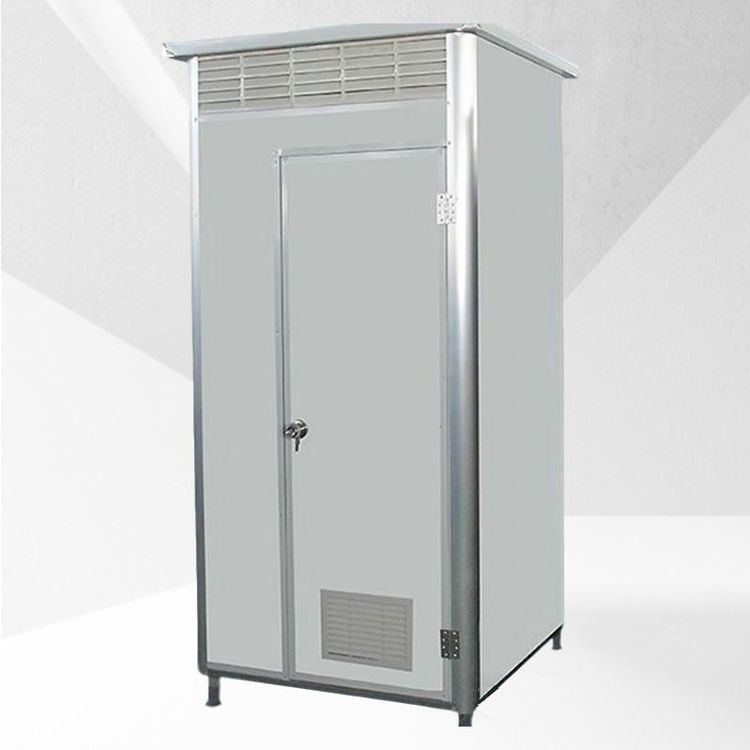
How About Mobile Toilets in Scenic Spots
Mobile toilets in scenic spots have multiple advantages and can well meet the usage needs of scenic spots.
Beautiful and Practical Design: Mobile toilets in scenic spots are reasonably designed with 8 squatting positions. The overall structure adopts a container form, with the exterior walls made of real stone paint and Great Wall panels spliced together, presenting a very beautiful appearance. The central hand-washing area is equipped with double facilities. The men's toilet has 3 urinals and 4 partitioned squatting positions, facilitating the use of different groups of people.
Environmentally Friendly and Sturdy: They are 5.5 meters long and 1.8 meters wide, built with heavy steel structures and featuring hollowed-out craftsmanship. The wall panels are all made of aluminum-plastic panels, and the entrance doors are made of magnesium alloy, making them sturdy and durable and able to withstand the complex environment of scenic spots.
Highly Mobile: They can adapt to changes in the site and reduce resource waste caused by the demolition of fixed facilities. For example, mobile public toilets in Dalian are flexibly deployed during peak tourist seasons to relieve the pressure on toilets in areas with high foot traffic. In the May Day holiday of 2026, the Jinci Scenic Spot in Shanxi flexibly deployed buses as mobile men's toilets and temporarily converted fixed men's toilets into women's toilets to increase the daily reception capacity of the restrooms.
Diverse Treatment Methods: Appropriate treatment technologies can be adopted according to the limitations of the usage environment. Microbial degradation technology uses specific bacteria to decompose waste. The resulting water and gases can meet emission standards, and a small amount of residue can be used as organic fertilizer, achieving resource recycling. Foam sealing technology uses a very small amount of water to generate foam to cover the inside of the toilet bowl, effectively isolating odors and reducing water consumption.
Small Footprint: Compared with traditional fixed toilets, they occupy less land resources and can make more reasonable use of space in scenic spots with limited land resources.
Convenient Construction: They are usually prefabricated products in factories and can be used after on-site installation. Compared with the processes of site selection, material purchase, and construction of traditional toilets, they have more advantages in terms of manpower, material resources, and capital investment.
User Experience-Oriented: They have a good ventilation system that can remove moisture and odors and keep the internal air fresh. The lighting system is sufficient and soft, ensuring safe use at night. There are barrier-free facilities that provide more spacious space and necessary handrails and other auxiliary facilities for the disabled, the elderly, and families with infants. They also focus on privacy and safety, using sturdy materials and a reasonable spatial layout.
Convenient Operation and Maintenance: The internal structural design facilitates quick and thorough cleaning by cleaning staff. Some intelligent management methods are beginning to be applied, such as installing sensors to monitor the usage of toilet paper and hand sanitizer as well as the odor index. When the data reaches the preset threshold, the system will automatically send a prompt to the management personnel, enabling more efficient and precise maintenance.