Materials for Mobile Toilets in Scenic Spots
The materials for mobile toilets in scenic spots are diverse. Depending on different designs and requirements, various materials can be used. Here are some common material introductions:

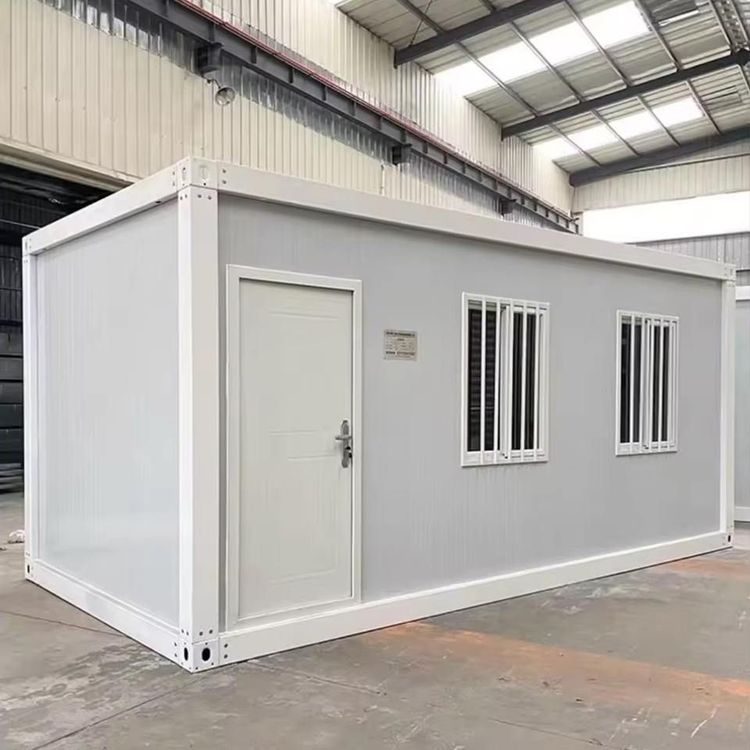
Materials for container mobile toilets: Their skeletons are usually welded from high-density galvanized steel. High-density galvanized steel has good strength and toughness, enabling it to withstand a certain amount of external impact and pressure, ensuring the stability of the overall toilet structure. The exterior walls and roof panels are made of high-strength thickened galvanized steel sheets. These sheets not only have high strength but also excellent corrosion resistance, effectively protecting against the erosion of rainwater, moisture, etc., in the complex environment of scenic spots and extending the service life of the toilets.
Materials for mobile environmental-friendly public toilets: The frames are generally welded from national standard steel. National standard steel has guaranteed quality and can meet the load-bearing requirements of the public toilet frames. The surface-covered materials include color-coated steel sheets or carved panels, etc. These materials have anti-corrosion and fire-resistant properties. Color-coated steel sheets come in a rich variety of colors and can be selected and matched according to the overall style of the scenic spot. Carved panels have a certain decorative effect and can enhance the aesthetic appeal of the public toilets. The exterior wall materials can also be selected according to customer requirements or the surrounding environment of the usage location. Common options include metal carved panels, which combine the sturdiness of metal with the beauty of carvings; anti-corrosion wood, which gives a natural and close feeling and is suitable for some natural scenic areas; stainless steel sheets, which have the advantages of corrosion resistance and easy cleaning; and aluminum-plastic panels, which are lightweight, have high strength, and have good decorative effects.
Other materials: Initially, mobile toilets were made of wood. Wood was easy to obtain and relatively easy to process, but it had drawbacks such as being prone to rot and not durable. Later, they gradually evolved to use materials such as fiberglass-reinforced plastic and polyethylene. Fiberglass-reinforced plastic has characteristics such as being lightweight yet strong, corrosion-resistant, and having good insulation properties. Polyethylene materials have good chemical stability, flexibility, and low-temperature resistance. The application of these materials has further improved the performance and applicability of mobile toilets.