Scenic Spot Mobile Restroom Toilet
Scenic spot mobile restroom toilets are facilities suitable for scenic spots and other locations. They can be moved as a whole and placed at fixed or temporary locations to provide restroom services for the public and customers.

I. Structural Composition Scenic spot mobile toilets are generally composed of fecal sewage storage tanks (or disposal devices), floor slabs, sanitary fixtures, walls, washing equipment, water tanks, roofs, and mobile devices. Among them, the fecal sewage storage tank is used to collect and treat excrement, preventing direct discharge from causing environmental pollution. Sanitary fixtures include squat toilets, sit toilets, and urinals, meeting the usage needs of different groups of people. Walls and roofs serve to shield from wind and rain, and provide thermal insulation, creating a relatively comfortable environment for users.
II. Classification Methods
- By structural form: They can be divided into single-structure mobile toilets and composite-structure mobile toilets. Single-structure toilets are relatively simple and suitable for locations with limited space or small temporary needs. Composite-structure toilets are composed of multiple single units and have more complete functions, suitable for large scenic spots or areas with high pedestrian traffic.
- By mobility method: They include lifting and handling-type mobile toilets, and powered and trailer-type mobile toilets. Lifting and handling-type toilets require lifting equipment for movement and are suitable for short-distance adjustments or between fixed locations. Powered and trailer-type toilets can be moved long distances through vehicle traction or self-powered means, offering higher flexibility.
- By sewage treatment method: They are classified into water-flush and waterless-flush suction-type, circulating water-flush type, and dry-packing type. Water-flush toilets require a water connection and use water flow to flush excrement. Waterless-flush suction-type toilets use a vacuum pump to suck excrement into the storage tank. Circulating water-flush toilets achieve water resource recycling through filtration and disinfection technologies. Dry-packing toilets use biodegradable materials to directly pack excrement without the need for water, making them suitable for water-scarce areas.
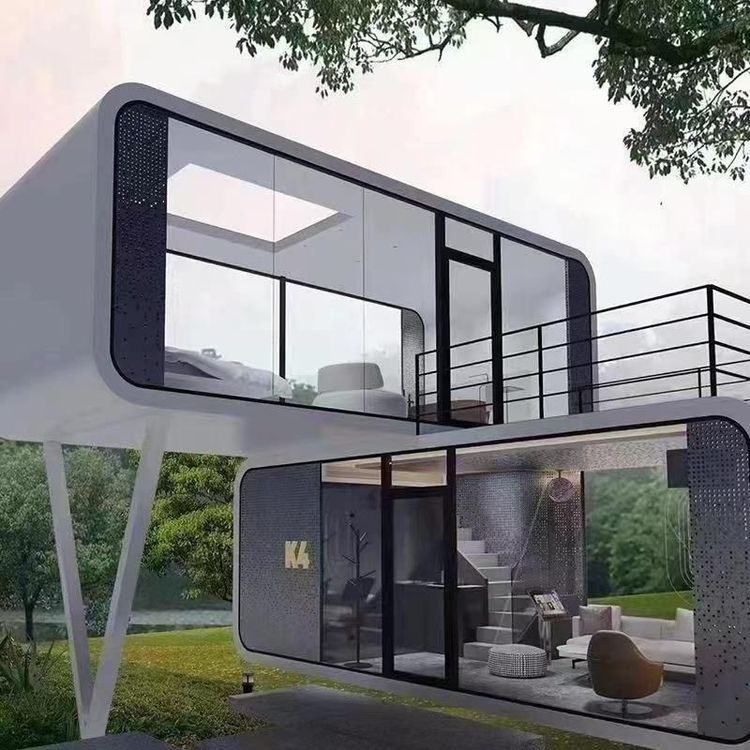
III. Main Features Scenic spot mobile toilets have advantages such as mobility, combinability, and ease of transportation. Their design is flexible, allowing for adjustments in layout and scale according to the actual needs of the scenic spot. The materials are lightweight and durable, such as metal carved panel exterior walls that are both aesthetically pleasing and thermally insulating. Some models are also equipped with additional facilities such as public bathroom cabinets and beauty mirrors to enhance the user experience. In addition, mobile toilets can be reused repeatedly, reducing long-term construction costs while minimizing damage to the natural environment, aligning with the development concept of green tourism.