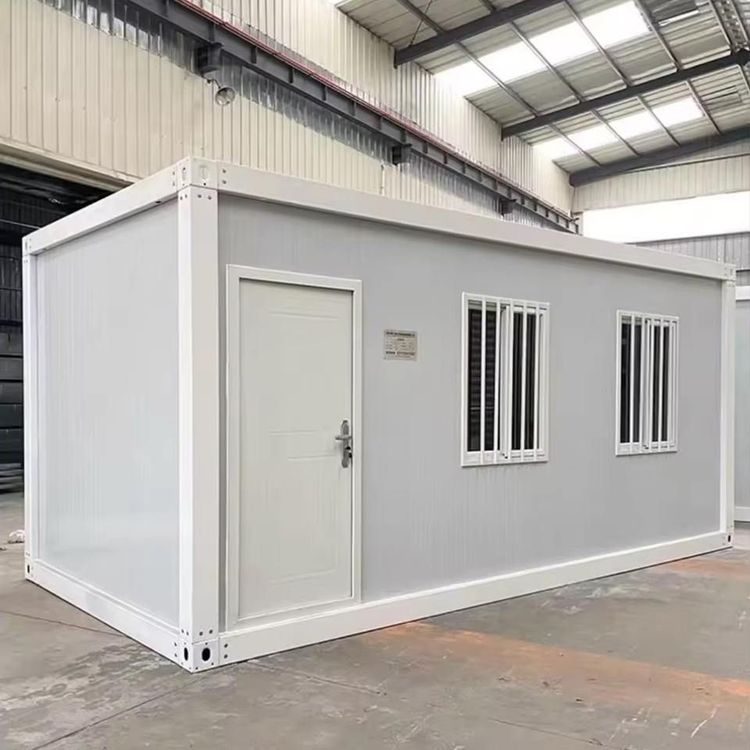
Installation of Mobile Environmental Toilets in Scenic Spots
The installation of mobile environmental toilets in scenic spots requires selecting appropriate solutions based on specific needs and scenarios, with a focus on technical adaptation and functional optimization. The installation characteristics and key points are as follows:

1. Selection of Flushing Solutions and Pipe Adaptation
The flushing method of mobile environmental toilets in scenic spots directly affects installation conditions. Waterless flushing solutions do not require connection to water supply and drainage pipes, using biodegradation or physical packaging technology to treat waste, suitable for scenic spots without water sources or with complex terrain, such as mountainous and desert areas. Water-flushing solutions require connection to water supply and drainage pipes, but can achieve water conservation through rainwater collection and filtration systems and hand-washing water reuse for flushing technology. For example, purifying rainwater for flushing or recycling hand-washing water for reuse, reducing dependence on municipal water supplies. During installation, it is necessary to plan pipe routes in advance to ensure compatibility with the existing water supply and drainage systems in the scenic spot.
2. Toilet Types and Installation Methods
Stainless steel waterless packaged squat toilets are a common choice, with the core advantage of no sewage pipes, using mechanical packaging or biodegradation technology to seal and treat waste, reducing odors and pollution. Installation methods include floor-mounted and in-ground types: floor-mounted toilets are placed directly on the ground, suitable for temporary or frequently moved scenarios; in-ground toilets require excavation of foundation pits for fixation, offering greater stability and suitable for long-term fixed use in scenic spots. Both methods eliminate the need for complex sewage pipe networks, reducing construction costs and cycles.
3. Integration of Intelligent Functions
For urban parks or high-end scenic spots, mobile intelligent environmental public toilets can be customized, integrating functions such as air conditioning, fresh air systems, intelligent lighting, intelligent disinfection, and sensor-activated flushing. For example, air conditioning and fresh air systems can regulate indoor temperature and humidity and provide ventilation; intelligent disinfection uses ultraviolet or spray devices for regular sterilization; sensor-activated flushing systems are triggered automatically by infrared or microwave sensors, reducing contact contamination. During installation, it is necessary to reserve power lines and equipment space, and ensure system integration with the scenic spot's intelligent management platform for remote monitoring and maintenance.
4. Scenario Adaptation and Environmental Requirements
Before installation, it is necessary to assess the terrain, climate, and pedestrian density of the scenic spot. Waterless areas or construction sites should prioritize waterless flushing and packaged squat toilets; scenic spots with sufficient water sources and long-term use needs can opt for water-flushing solutions with enhanced water-saving technologies; high-pedestrian-traffic areas are recommended to be equipped with intelligent public toilets to enhance user experience. At the same time, material selection should comply with environmental standards, such as corrosion-resistant stainless steel and biodegradable materials, reducing the impact on the scenic spot's ecology.