
Scenic Park Portable Toilet Outdoor
Outdoor portable toilets in scenic parks come in a variety of types, featuring mobility, environmental friendliness, and durability. Their design adheres to principles of convenience, economy, and ecology.
Common Types and Characteristics
- Flat-top Color-matched Model: The flat-top portable toilet with a white and brown color scheme is quite common. It is equipped with complete facilities and features a double-door design, ensuring both convenience of use and overall aesthetic appeal. It is suitable for most scenic park settings.
- Brick-patterned Flat-top Model: This uniquely designed portable toilet has a flat top with brick-patterned exterior panels in orange. Visually, it blends well with the natural environment. Its main structure is made of galvanized steel frames, offering strong corrosion resistance and durability, with a theoretical lifespan of over 15 years, making it ideal for long-term outdoor use.
- Apple Pod-shaped Model: The apple pod-shaped portable toilet is suitable for camping sites in scenic parks. Its layout can be customized according to needs, providing private single rooms for privacy and equipped with public washbasins to meet the simultaneous use requirements of multiple people, combining flexibility and practicality.
Structural Composition and Advantages
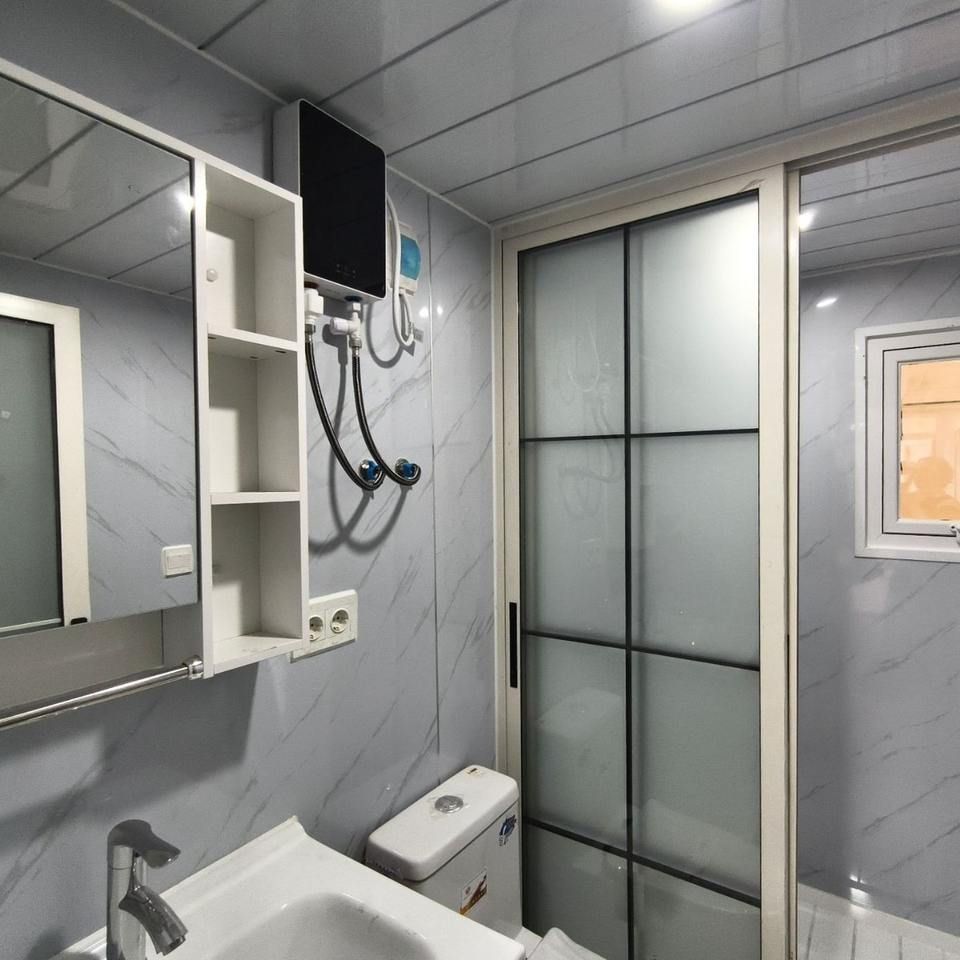
Portable toilets typically consist of fecal sewage storage tanks (or disposal units), floor slabs, sanitary ware, walls, washing facilities, water tanks, roofs, and mobility devices. Their core advantages lie in mobility, allowing flexible relocation based on visitor flow or event needs in scenic areas; combinability, supporting modular assembly for quick expansion of usable space; and ease of transportation, which reduces deployment costs, especially suitable for complex terrains or temporary event settings.
Classification Methods and Principles
They can be classified by structural form into single-unit and connected-unit types; by mobility into hoisting and towing types; and by sewage treatment into direct-discharge, packaging, and biodegradation types. Design principles include:
- Mobility Convenience: Ensure overall weight and structure facilitate transportation and installation.
- Economic Durability: Select low-cost, long-life materials to reduce long-term maintenance costs.
- Environmental Ecology: Prioritize biodegradation or resource recovery treatment technologies to minimize pollution.
- Environmental Harmony: Design appearance and colors to blend with natural landscapes, avoiding visual conflicts.
- Efficiency Enhancement: Optimize internal layout to improve usage efficiency.
- Humanitarian Promotion: Equip with barrier-free facilities to ensure accessibility for special groups.



