Principle of Temporary Mobile Toilets in Scenic Areas
The principles of temporary mobile toilets in scenic areas vary depending on the type, mainly including circulating water flushing, waterless packing, biodegradation, foam sealing, and vacuum suction types.

Circulating Water Flushing Mobile Toilets: These toilets achieve functional integration through an independent box structure, equipped with a small water tank, flushing toilet, and hand-washing basin. The core principle involves using a small amount of water for circulation, with the built-in sewage treatment system initially purifying the wastewater for reuse; or regularly having the wastewater removed by dedicated service vehicles to ensure hygiene standards are met. This design meets basic flushing needs while reducing water consumption.
Waterless Packing Eco-Friendly Toilets: These toilets use mechanical devices or biodegradable films to automatically seal and pack excrement. After the user finishes, the mechanical device immediately activates, wrapping the excrement in a biodegradable film and sealing it, effectively isolating odors and preventing environmental pollution. The packed waste is uniformly transported to professional treatment facilities for harmless disposal, with almost no water required throughout the process, making it particularly suitable for scenic areas with scarce water resources or high environmental protection requirements.
Biodegradable Toilets: Microbial agents or enzymes are added to the reaction tank at the bottom of the toilet. These microorganisms can rapidly decompose the organic matter in excrement, converting it into carbon dioxide, water vapor, and a small amount of harmless organic residue. This decomposition process is efficient and environmentally friendly, requiring no external water source or sewage pipeline, making it suitable for temporary or remote scenic areas.
Foam-Sealed Public Toilets (suitable for some temporary scenarios): These toilets use specially formulated lubricating foam instead of a large amount of clean water for flushing. The foam has excellent sealing and lubricating properties, effectively blocking odors and reducing dirt adhesion while significantly reducing water consumption. This technology is particularly suitable for temporary scenarios with water scarcity or requiring rapid deployment.
Vacuum Suction Toilets (suitable for high-end temporary scenarios): These toilets use high-speed airflow to suction waste into a collection tank, requiring only a minimal amount of water (about 0.5 liters) per flush. Their working principle is similar to that of vacuum toilets on airplanes, enabling rapid and efficient disposal of excrement while maintaining good hygiene and odor control inside the toilet. This type is typically used in high-end temporary events or scenic areas with extremely high hygiene requirements.
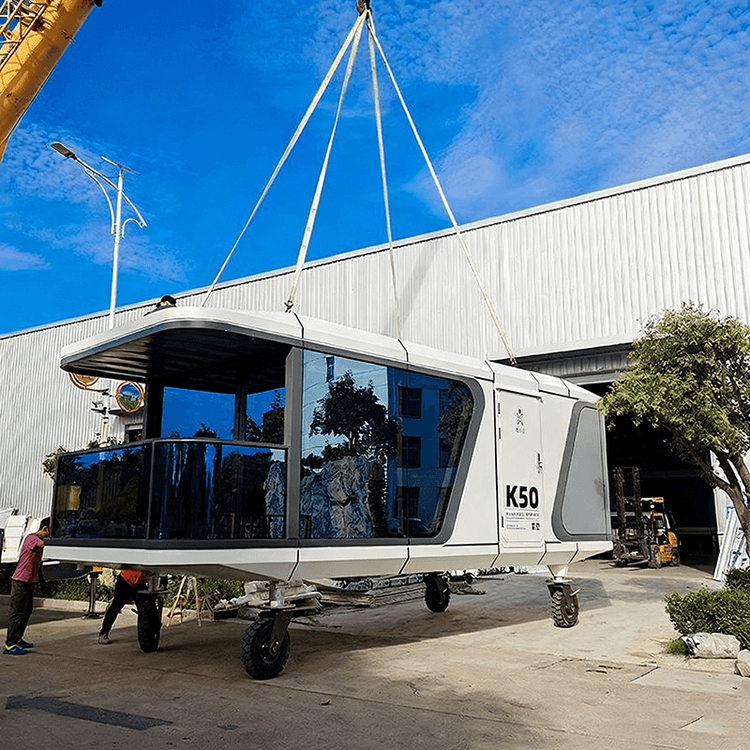
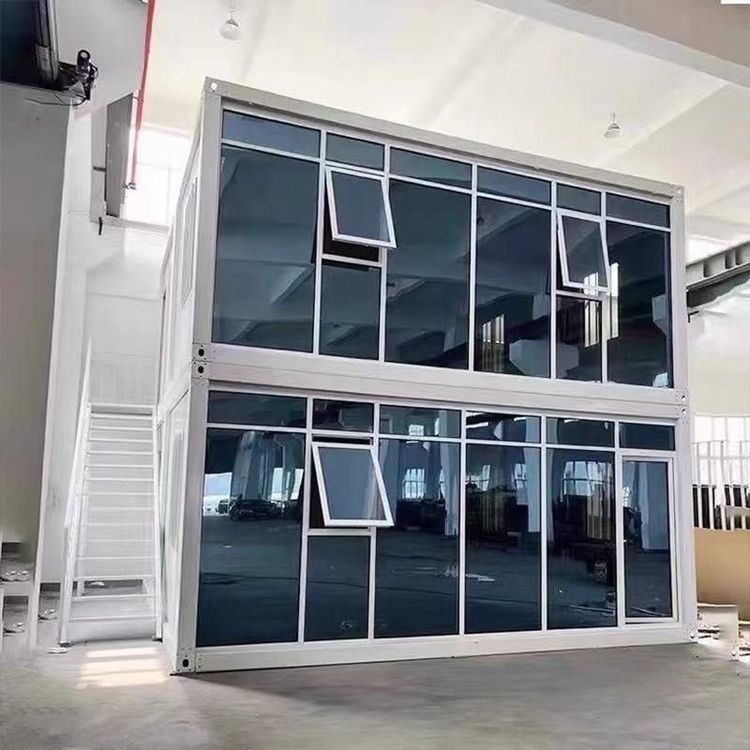
All types of temporary mobile toilets adopt a modular design, facilitating transportation and rapid installation, and can form immediately usable public sanitation points within a few hours.