
Scenic Area Steel Structure Mobile Toilet
The scenic area steel structure mobile toilet is a public facility made of steel structure, featuring durability, customizability, clear functional zoning, and support for eco-friendly technologies and modular mobile deployment, suitable for scenic areas, parks, and other settings.
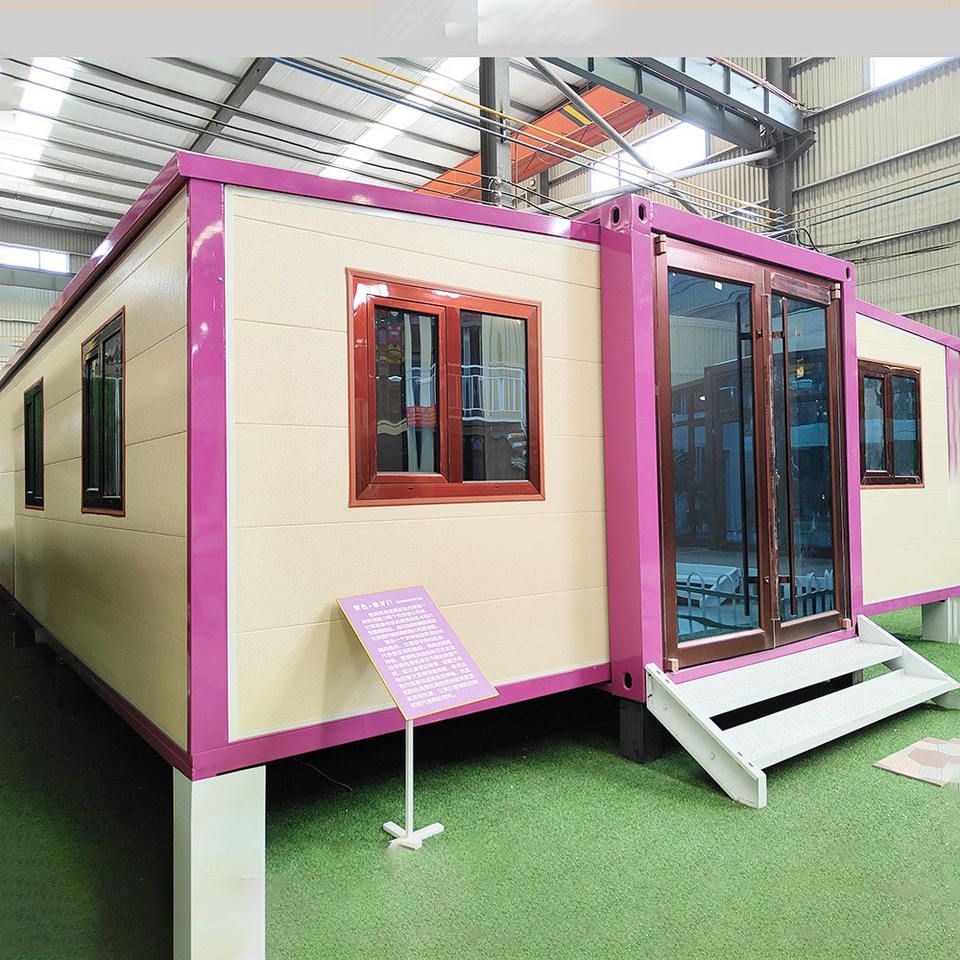
Material and Structural Features
The scenic area steel structure mobile toilet uses high-strength steel as its main framework, offering wind resistance, earthquake resistance, and corrosion resistance. It can adapt to complex outdoor environments and has a significantly longer service life than traditional brick-and-mortar or wooden structures. Its strong structural stability allows it to withstand heavy loads, making it suitable for long-term or temporary deployment in high-traffic areas.
Appearance and Signage Design
The appearance supports personalized customization, with main colors typically chosen as eye-catching yellow or red for easy identification by tourists. The exterior prominently features male and female logo signs, and some products also include accessible pathway signs to enhance usability. Customized designs can incorporate cultural elements of the scenic area, enhancing overall landscape harmony.
Functional Zoning and Facility Configuration
The interior is clearly divided into functional zones, including a men's restroom (with squat toilets and urinals), a women's restroom (with squat toilets and mop sinks), and a public handwashing area. The number of squat toilets is configured based on usage scenarios, with temporary squat toilet modules added during peak tourist seasons. The handwashing area is equipped with sensor-activated faucets, soap dispensers, and some high-end models offer hand dryers or paper towel dispensers. The mop sink design facilitates cleaning and maintenance, ensuring a hygienic environment.
Eco-Friendly Technology Applications
Some products adopt waterless flushing, foam sealing, or water flushing systems to reduce water consumption. For example, waterless flushing systems use microbial degradation technology to treat waste, suitable for water-scarce areas; foam sealing systems use foaming agents to cover waste, suppressing odors and reducing flushing volume. Additionally, rainwater collection and filtration systems convert rainwater into toilet flushing water, while handwashing water reuse technology further enables water recycling.
Smart Management System
High-end models are equipped with a smart management system, including a PLC data acquisition module (for real-time monitoring of toilet occupancy status, water and electricity consumption, etc.), an LED toilet occupancy monitor (displaying available toilet information), and a 4G remote monitoring module (allowing managers to remotely control equipment and receive fault alerts). These technologies improve management efficiency and reduce operational and maintenance costs.
Modularity and Mobility
The toilet adopts a modular design, with each functional unit independently assembled or disassembled for rapid deployment or relocation. For example, at large events, toilet positions can be flexibly adjusted based on crowd distribution; during off-peak seasons in scenic areas, they can be disassembled and stored to save space. Mobility methods include integral lifting or split transportation, adapting to different terrain requirements.



