Scenic Area Sets Up Eco-Friendly Portable Toilets
Setting up eco-friendly portable toilets in scenic areas is an important measure to enhance tourism service quality and optimize visitor experience, featuring both advanced technology and flexible application.
Diverse Technical Types to Suit Different Scenarios
The technical solutions for eco-friendly portable toilets include three main categories: waterless flushing, foam sealing, and water flushing. Waterless flushing toilets do not require connection to water supply and drainage pipes; they treat waste through microbial degradation or physical sealing technology, making them suitable for scenic areas with water shortages or complex terrain. Foam sealing toilets use foaming liquid to cover the surface of waste, reducing odors and conserving water, making them suitable for low to medium traffic areas. Water flushing toilets require connection to pipes but achieve water recycling through circulating flushing technology (such as biofilm treatment devices), making them suitable for scenic areas with well-developed infrastructure. Additionally, some products integrate intelligent systems, such as PLC data acquisition modules for real-time monitoring of usage status, LED stall occupancy indicators to display available stalls, and remote monitoring modules that support mobile app control of lighting and flushing, enhancing management efficiency.
Optimized Structure and Configuration for Practicality and Aesthetics
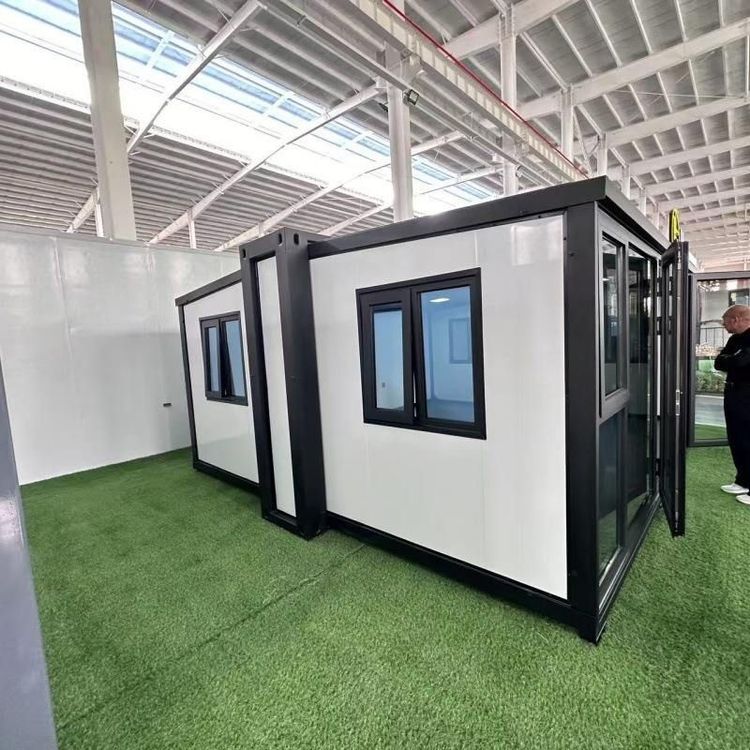
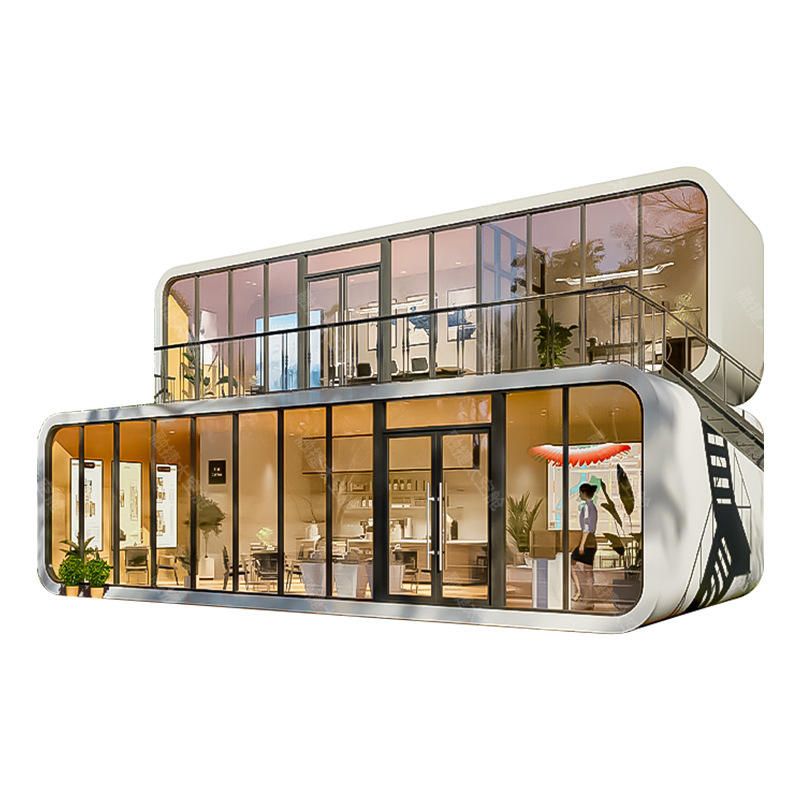
The main structure of eco-friendly portable toilets is welded using national standard light steel keels, meeting the requirements for overall hoisting and enabling rapid deployment in various areas of scenic spots. Exterior wall materials are selected from color-coated steel plates or metal carved panels, which are corrosion-resistant, fire-resistant, and weather-resistant, capable of withstanding harsh weather conditions. Internal configurations include independent stall partition treatment systems, non-slip floors, automatic flushing toilet bowls, and ventilation and lighting systems, meeting public health standards. For example, the intelligent art public toilet in Nalati Scenic Area, Yili, Xinjiang, incorporates elements of grasslands and snow-capped mountains in its exterior design and is equipped with intelligent sensing facilities and thermostatic handwashing stations, receiving high praise from visitors and demonstrating the unity of functionality and landscape aesthetics.
Policy Support and Standardized Management to Promote Large-Scale Application
Many regions have introduced policies to promote the popularization of eco-friendly portable toilets. Chengdu has explicitly required through the Public Toilet Management Regulations that eco-friendly portable toilets must be set up to meet temporary needs during large-scale events. Xinjiang plans to build 47 new portable toilets and promote water-saving and energy-saving technologies to continuously improve construction quality in its Three-Year Action Plan for Improving the Quality of Tourism Toilets (2026-2028). These policies provide standardized guidance for scenic areas, promoting technological iteration and service quality improvement.
Wide Application Scenarios and Flexible Technical Routes
In addition to scenic areas, eco-friendly portable toilets can also cover public places such as service areas and rural areas. Technical routes include circulating water flushing type (equipped with biofilm treatment devices for water recycling) and dry packing type (without water flushing devices, with waste collected in biodegradable plastic bags), which can be flexibly selected according to the actual needs of scenic areas. For example, dry packing type can be prioritized in arid regions, while circulating water flushing type is more suitable for ecologically sensitive areas to reduce environmental impact.