Movable Public Toilets in Scenic Areas
Public toilets in scenic areas can be movable, and such facilities are known as mobile toilets.

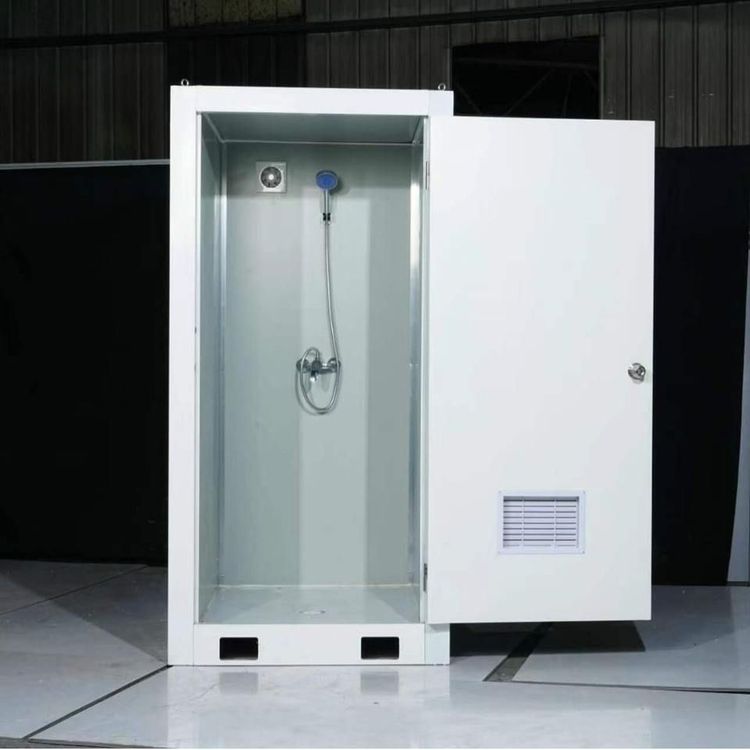
Mobile toilets are characterized by their overall mobility, allowing them to be flexibly placed at different locations or venues according to the fixed or temporary usage needs of scenic areas, especially in areas with high pedestrian traffic such as tourist attractions. Their basic components include fecal sewage storage tanks (or disposal devices), floor slabs, sanitary ware, walls, washing facilities, water tanks, roofs, and mobile devices, achieving functional integration through modular design.
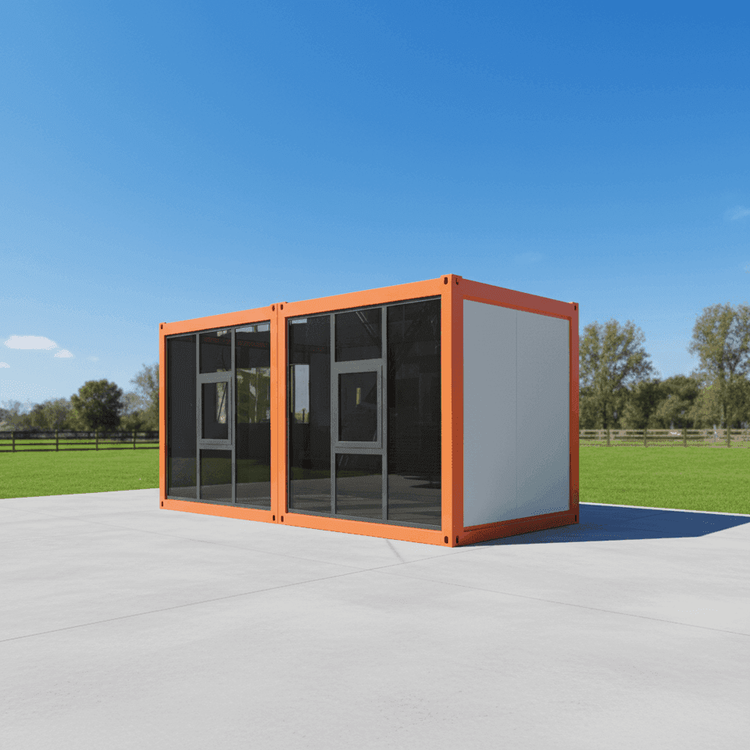
In terms of structural form, mobile toilets can be classified into two categories: single-unit structures and composite structures. Single-unit structures are typically independent units suitable for limited-space or temporary scenarios, while composite structures are composed of multiple units that can be expanded into multi-stall facilities to meet peak demand. Based on mobility methods, they include lifting and handling types (relying on lifting equipment for overall transportation) and powered towing types (equipped with a power system or connectable to a towing vehicle), with the choice of transportation method depending on site conditions and usage frequency. Sewage treatment methods represent the core technological differences among mobile toilets, primarily divided into three categories: water-flush and waterless-flush suction types that use water tanks for flushing or vacuum suction to treat excreta, requiring regular cleaning of storage tanks; circulating water-flush types that employ biodegradation or physical filtration technologies to achieve water resource recycling and reduce water consumption; and dry-packing types that use biodegradable bags to directly collect feces without flushing, suitable for water-scarce or environmentally demanding scenarios.
In practical applications, mobile toilets have been widely used in scenic area management. For example, in 2023, the Lanzhou Yellow River Scenic Line Grand Scenic Area alleviated visitor toilet difficulties by installing mobile toilets; the classic mobile toilet produced by Dezhou Hongtu Metal Products Co., Ltd. features a galvanized frame structure with a service life of over 2 years, demonstrating its durability advantage. Additionally, some scenic areas have innovatively adopted a "tidal toilet" management model, which dynamically adjusts stall usage permissions based on real-time pedestrian traffic by setting up gender-neutral stalls and coordinating with movable signboards or lockable sliding doors, further enhancing facility utilization efficiency. This flexibility not only resolves the issue of rigid layout in traditional fixed toilets but also provides an effective solution for coping with visitor peaks during holidays and other periods.