
Portable Mobile Toilets for Scenic Areas
Portable mobile toilets for scenic areas are movable facilities designed to meet temporary and periodic toilet needs in places such as scenic spots, featuring convenience, environmental protection, and durability.
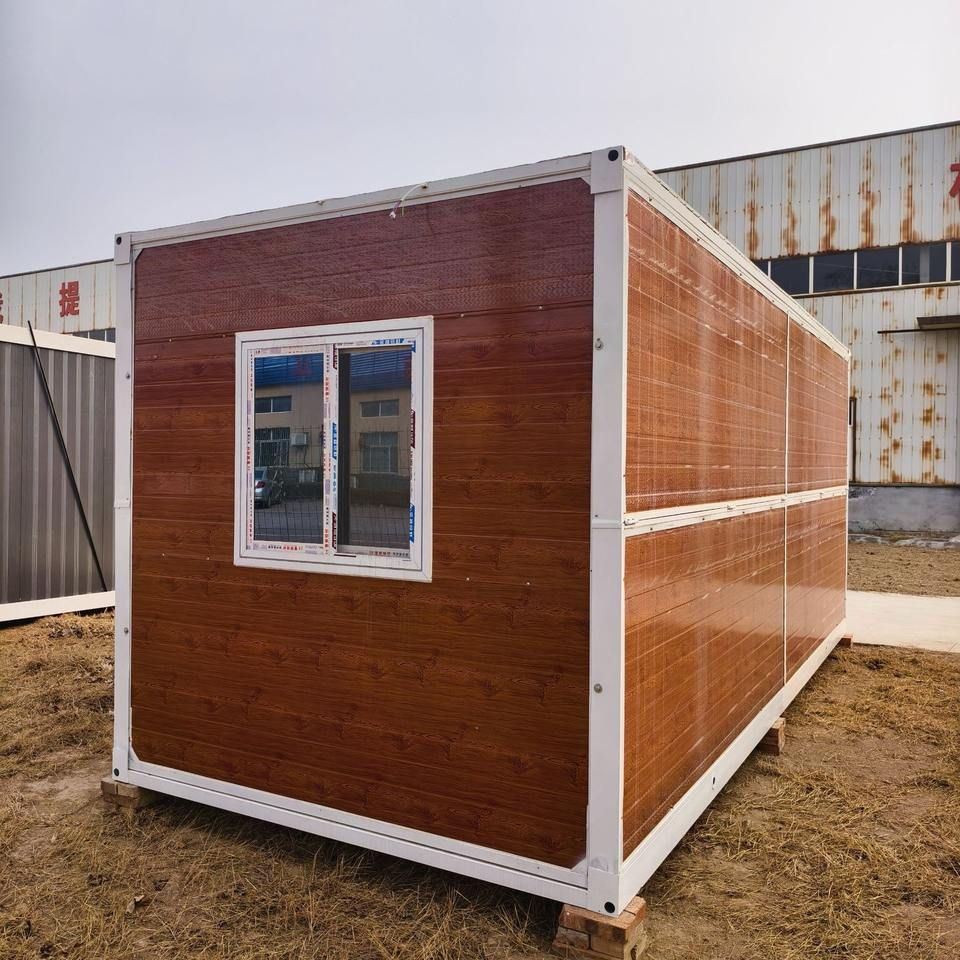
Material and Structural Characteristics
The materials and structures of portable mobile toilets for scenic areas are diverse to adapt to different usage scenarios. The main frame is mostly welded with thickened galvanized square tubes, providing high strength and corrosion resistance, allowing long-term exposure to outdoor environments with a service life of up to 15 years or more. The exterior wall panels are usually made of orange brick patterns, metal sheets, or eco-friendly composite materials, ensuring both aesthetic appeal and waterproof, fireproof, and weather-resistant properties.
In terms of structural form, they can be divided into single-unit structures and composite structures:
- Single-unit mobile toilets are small in size and flexible to move, suitable for areas with limited space;
- Composite structures are composed of multiple single units, which can be expanded into multiple toilet stalls or add management rooms and barrier-free facilities to meet high foot traffic demands.
Based on mobility methods, they include lifting/handling types (requiring forklifts or manual handling) and powered/trailer types (equipped with engines or towing devices, capable of autonomous movement or being towed by vehicles), with the latter being more suitable for scenarios requiring frequent repositioning.
Sewage Treatment Types
According to sewage treatment methods, mobile toilets can be classified into the following types:
- Flush-type: Water is supplied from a tank for flushing, with sewage discharged into septic tanks or municipal sewage networks, suitable for scenic areas with water sources and sewage disposal conditions;
- Waterless suction-type: Uses vacuum pumps or negative pressure systems to suction feces into storage tanks for regular removal, suitable for water-scarce areas;
- Recirculating flush-type: Purifies sewage through biodegradation or physical filtration technologies to achieve water resource recycling, highlighting environmental protection;
- Dry-packing type: Uses biodegradable garbage bags to collect feces, requiring no flushing, and simply replaces the packaging during cleanup, offering easy operation and no pollution.
In addition, portable outdoor mobile toilet tents serve as lightweight solutions, equipped with folding toilets, curing agents, and garbage bags, suitable for emergency situations and self-driving trips, but requiring manual disposal of waste.
Design Principles
The design of mobile toilets adheres to six principles: mobility convenience, economic durability, environmental ecology, environmental friendliness, efficiency improvement, and humanitarian promotion, emphasizing a balance between functionality and sustainability. For example, low-carbon technologies such as solar power and water-saving flush devices are adopted to reduce impacts on the scenic area's ecology.



