
Odor-Proof Mobile Toilet for Scenic Areas
Mobile toilets in scenic areas can achieve odor-proof functionality through various technologies, including eco-friendly, waterless flushing, water-saving, and other special designs.
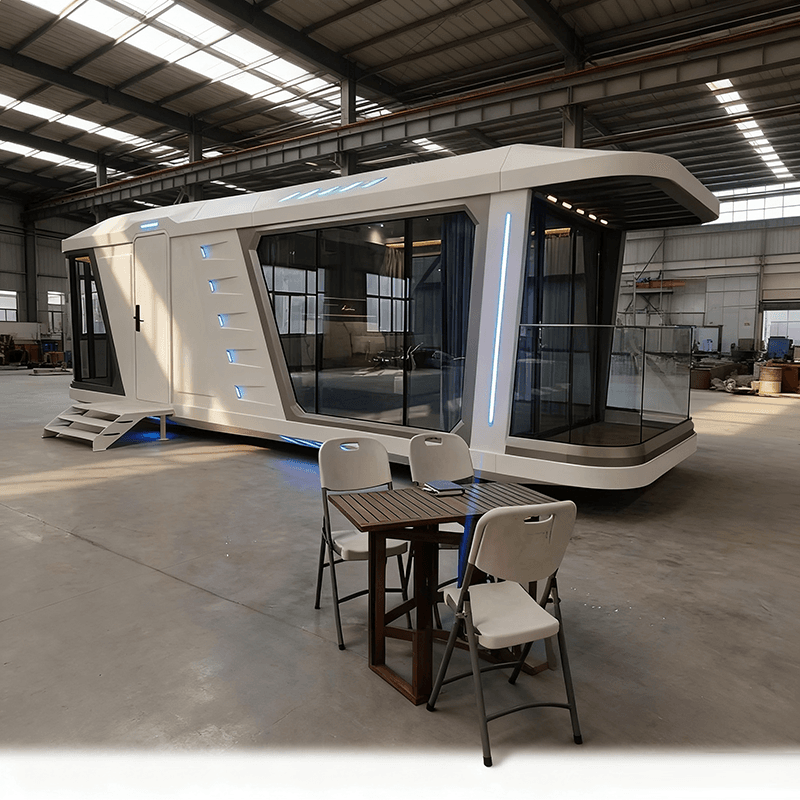
Eco-Friendly Toilets: These toilets utilize advanced microcomputer control and sensing systems to automatically detect the presence of users, triggering lighting, ventilation, and separation systems. Solid waste is biologically treated into gas by composite microorganisms, while urine is decomposed to meet reclaimed water standards for recycling. This approach fundamentally reduces odor generation, offering an odorless, hygienic, and comfortable experience.
Waterless Flushing Eco-Toilets:
- Waterless Packaging Type: The core consists of biodegradable film packaging bags, mechanical devices, and a storage tank. When someone uses the toilet, a traction device automatically activates to package and seal the waste, preventing odor leakage. This toilet requires no water source or plumbing, making it suitable for water-scarce areas or temporary events.
- Waterless Biological Treatment for Fertilizer Production: Equipped with a biochemical reactor containing replenishable biological fillers, feces are degraded and fermented by microorganisms into humic organic fertilizer, while urine is treated for use as liquid fertilizer. This method not only prevents odor but also achieves resource recycling.
- Waterless Flushable Eco-Toilet: Utilizes a urine-feces separator to collect urine, which is then treated with special agents into an odorless light blue liquid for flushing. Feces are mixed with the flushing liquid and processed into an odorless pulp-like fluid, effectively preventing odor emission.
Water-Saving Eco-Toilets:
- Foam Sealing Type: Uses foam generated by foaming liquid instead of water for flushing, preventing odor emission and achieving a water-saving rate of over 90%. This toilet is suitable for scenic areas with water shortages.
- Vacuum Suction Type: Relies on the air pressure difference between the toilet and the sewage pipe system to draw waste into storage or treatment devices, reducing odor overflow. Water consumption is only 0.5 to 1 liter, making it both water-saving and environmentally friendly.
Other Designs: Some mobile toilets use metal carved panels for walls, such as a 30-square-meter mobile toilet with color-blocked wall panel designs for insulation and odor reduction. Others are constructed with thickened galvanized square tubes for durability, also contributing to odor prevention.
You may also like

Portable Toilet Eco-Friendly: MOQ, Samples & Quotation Guide
Read More
Top Portable Toilet Color Steel Manufacturers: How to Choose a Factory Partner
Read MorePortable Toilet Picture: Types, Features & Buying Tips
Read More