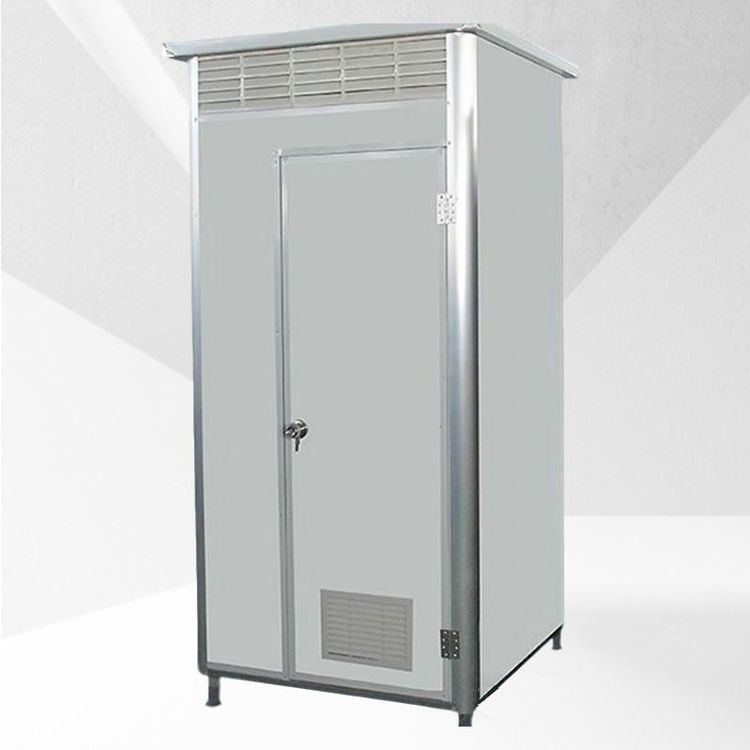
How to Handle Mobile Toilets in Scenic Areas
There are various ways to handle fecal waste from mobile toilets in scenic areas, and appropriate methods can be selected based on specific scenarios and technical principles. Common methods include microbial degradation, vacuum collection, waterless/foam treatment, recyclable water flushing, and solar-powered treatment.

Microbial Degradation: This method is suitable for scenic areas or wild work sites where water access is inconvenient and environmental protection requirements are high. It works by introducing specific bacteria to decompose organic matter in feces without the need for additional flushing. Relying on the natural decomposition process of microorganisms, fecal waste is converted into harmless substances. This approach reduces water consumption and eliminates the need for secondary treatment of residues, meeting ecological protection needs.
Vacuum Collection: This method is primarily used in crowded scenic areas with high hygiene requirements, such as visitor centers or large event areas. By generating negative pressure with a vacuum pump, sewage and feces are quickly sucked into storage tanks, ensuring high-efficiency waste removal and effective prevention of odor overflow. When the storage tanks are full, they need to be transported by specialized vehicles to treatment stations, making this method suitable for short-term high-traffic scenarios.
Waterless/Foam Treatment: Some scenic areas adopt waterless flushing or foam sealing technology to reduce odor and water usage through foam coverage. Foam inhibits bacterial growth and reduces contact between feces and air, making it suitable for water-scarce or ecologically sensitive areas. This method requires regular replenishment of foam liquid and is equipped with specialized collection devices.
Recyclable Water Flushing: This method employs water-saving designs where feces undergo physical filtration and chemical disinfection, allowing part of the sewage to be recycled for flushing. By using a circulation system, water waste is minimized, making it suitable for high-traffic scenic activity areas. This method requires regular maintenance of filtration devices to ensure water quality meets hygiene standards.
Solar-Powered Treatment System: This system utilizes solar power to drive internal treatment equipment, such as automatic deodorization and water circulation systems. It is clean, pollution-free, and reduces energy costs, making it suitable for outdoor scenic areas without access to the power grid. The system typically integrates multiple treatment technologies to enable on-site fecal waste treatment and resource utilization.
In addition, mobile toilets in scenic areas are often made of waterproof, corrosion-resistant, and recyclable materials, with some equipped with waste sorting bins to reduce environmental burdens at the source. Rental service providers usually conduct regular maintenance of the equipment and dispose of waste in compliance with environmental standards.