
Scenic Area Mobile Toilet Planning
Scenic area mobile toilet planning should comprehensively consider five aspects: site selection and layout, intelligent scheduling, service upgrades, safety management, and cost optimization to enhance visitor experience and achieve efficient resource utilization.

Site Selection and Layout should align with the functional zoning and visitor flow of the scenic area. Mobile toilets should be placed at intervals of 50-100 meters in core areas such as entrances/exits, viewing platforms, and dining zones. Popular attractions (e.g., Mazu Statue on Meizhou Island, Jiuli Lake Waterfall) require 2-3 additional units to meet peak demand. Dining areas should prioritize barrier-free restrooms and baby care rooms to accommodate special needs. Sites should avoid main roads, using concealed pathways to guide visitors and minimize landscape disruption.
Intelligent Scheduling is key to improving operational efficiency. Real-time monitoring of toilet availability through online reservation systems, combined with dynamic resource allocation based on scenic area heatmaps, ensures optimal service during peak hours (10:00-15:00) with a 20% increase in capacity. Bi-hourly inspections replenish consumables like toilet paper and hand soap to prevent shortages. For example, Xinjiang's 2024 tourism toilet plan achieved precise resource allocation through digital management, reducing visitor wait times.
Service Upgrades focus on enhancing visitor comfort. Winter provisions include hot water handwashing and warm air blowers, while summer additions feature sunshades and cooling mists to adapt to climatic conditions. Value-added services like free emergency medicine and power bank rentals, along with dedicated staff for crowd guidance during peaks, significantly improve satisfaction, particularly for families and elderly visitors.
Safety Management requires standardized protocols. Daily disinfection (twice in the morning and evening) and garbage removal every four hours, coupled with surveillance systems, ensure safety. Emergency plans guarantee a 30-minute response to malfunctions, safeguarding visitor use. For instance, Xinjiang's toilet renovations emphasize "one toilet, one file" management for full traceability.
Cost Optimization can be achieved through flexible leasing models. A "primary lease + temporary supplement" strategy prepares basic facilities at a ratio of one toilet per 100 visitors, with off-peak leasing to reduce idle costs. Collaborating with scenic areas to establish fixed transfer points shortens transportation distances, further cutting operational expenses. Xinjiang's use of modular mobile toilets meets short-term demands while avoiding long-term construction costs, providing a scalable reference for widespread adoption.
You may also like
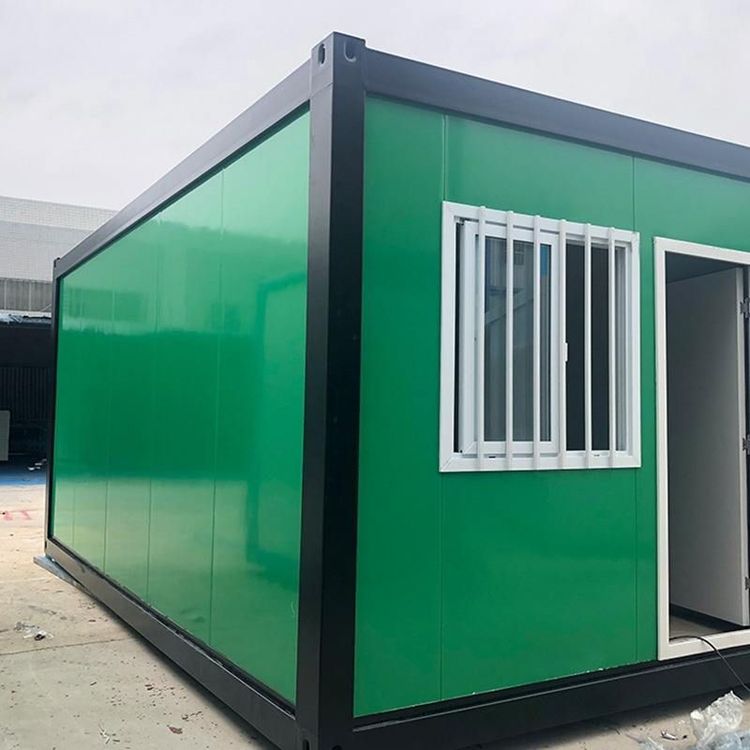
Portable Toilet Container in 2026: Buying Guide & Recommendations
Read More
Portable Toilet Color Steel Custom & OEM: Design & Bulk Production Guide
Read More
Portable Toilet Color Steel: Top Options & Considerations
Read More