
Mobile Toilets for Scenic Areas
Mobile toilets for scenic areas are facilities that can be moved as a whole and provide toilet services to the public. They are suitable for places such as stations, docks, and tourist attractions, and have advantages such as mobility, modularity, and ease of transportation.
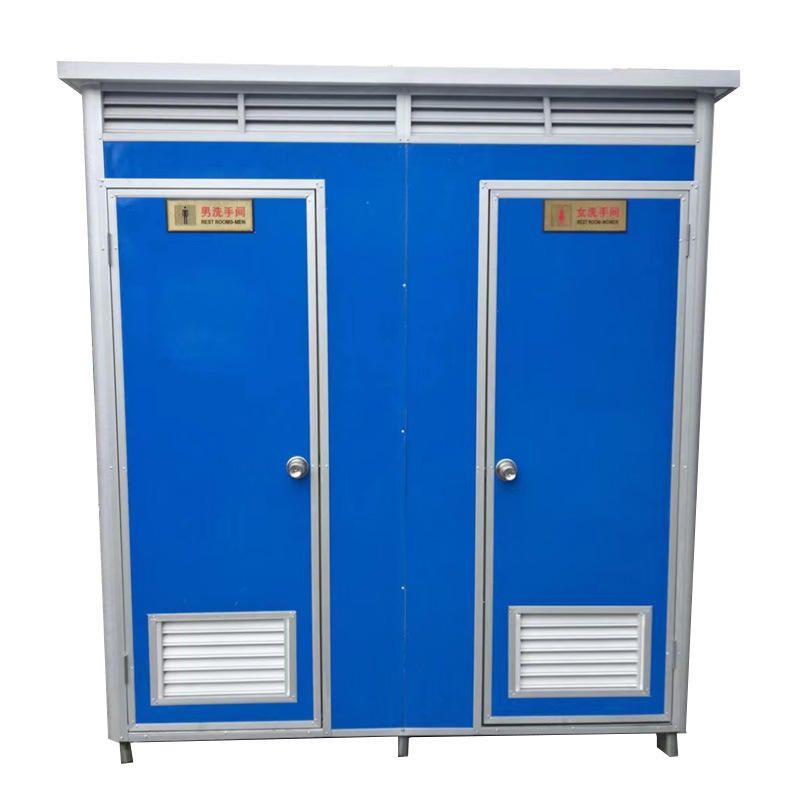
Composition Structure
They are generally composed of fecal sewage storage tanks (or fecal sewage treatment devices), floor slabs, sanitary ware, walls, washing equipment, water tanks, roofs, and mobile devices. These components work together to ensure that the mobile toilet can function normally and provide a comfortable toilet environment for users. For example, the fecal sewage storage tank is used to collect and treat excreta, while the sanitary ware includes toilets and squat pans to meet the needs of different users.
Type Classification
- By structural form: They can be divided into single-structure mobile toilets and composite-structure mobile toilets. Single-structure mobile toilets are relatively simple and suitable for places with limited space or a small demand for the number of toilets; composite-structure mobile toilets are more complex and can accommodate more sanitary facilities, making them suitable for scenic areas with a large flow of people.
- By mobility method: They are classified into lifting and handling mobile toilets, and powered and towed mobile toilets. Lifting and handling mobile toilets require lifting equipment for movement and are suitable for short-distance and infrequent movement scenarios; powered and towed mobile toilets can be moved by vehicle traction or their own power, making them more flexible and convenient and suitable for long-distance or frequent movement needs.
- By sewage treatment method: They are divided into water-flush and non-water-flush suction mobile toilets, circulating water-flush mobile toilets, and dry-packing mobile toilets. Water-flush and non-water-flush suction mobile toilets treat excreta through water flushing or suction; circulating water-flush mobile toilets recycle the treated water to save water resources; dry-packing mobile toilets pack the excreta for easy subsequent cleaning and transportation.
Design Principles
They should follow the principles of mobility and convenience, economic durability; environmental protection and ecological friendliness; improving efficiency and promoting humanity. On the premise of ensuring functionality, efforts should be made to reduce manufacturing and usage costs, while also focusing on environmental protection, reducing the impact on the environment, improving usage efficiency, and providing more user-friendly services for users.
You may also like

Portable Toilet Color Steel Custom & OEM: Design & Bulk Production Guide
Read More
Portable Toilet Color Steel: Top Options & Considerations
Read More
Portable Toilet Color Steel Explained: How to Choose the Right One
Read More