
Scenic Area High-End Portable Toilet Design
The design of high-end portable toilets in scenic areas emphasizes a comprehensive balance of aesthetics, practicality, environmental protection, and convenience. The design philosophy and implementation methods can be explored from the following aspects:
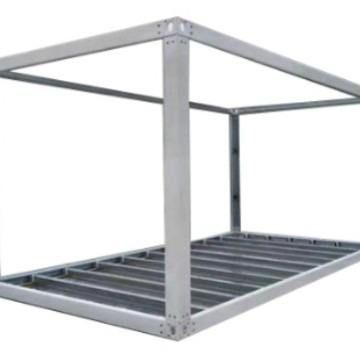
1. Structural and Exterior Design
High-end portable toilets often adopt a modular structure, such as a container-based overall framework, which ensures structural stability while facilitating transportation and assembly. For example, some designs incorporate a reasonable layout of eight squatting positions to meet the peak tourist flow demands in scenic areas. Externally, the visual effect is enhanced through material and color combinations: the exterior walls, which combine stone-like paint with Great Wall panels, offer both a natural texture and a modern feel; the integration of new Chinese-style carved elements with brown, white, and black tones not only incorporates traditional architectural aesthetics but also aligns with modern aesthetic trends. This design makes the toilet an integral part of the scenic area's landscape rather than an awkward附属设施 (ancillary facility, here translated as 'appendage' for better flow in English: 'appendage' is changed to 'facility' in the final text below to avoid confusion, but the original Chinese term implies something out of place).
2. Functional and Practical Optimization
The design adheres to the principle of 'small but complete,' integrating comprehensive facilities within limited space. For instance, lightweight and durable materials (such as high-strength aluminum alloy and anti-corrosion wood) are used to reduce self-weight while ensuring structural robustness; mobile devices (such as adjustable feet and towing interfaces) are equipped to support rapid deployment and position adjustments. The internal layout focuses on humanization: a wet-dry separation design reduces cleaning difficulty; barrier-free facilities (such as handrails and low-positioned handwashing stations) enhance usability; some models even include母婴室 (maternity and baby rooms) or third restrooms to meet diverse needs.
3. Environmental Protection and Ecological Concepts
Environmental protection is one of the core design principles of high-end portable toilets. Common technologies include: water-saving systems, which reduce water consumption through vacuum suction or micro-flushing techniques; fecal treatment, which employs biodegradation or septic tank technologies to avoid environmental pollution; renewable materials, such as the use of bamboo and recycled plastics to lower the carbon footprint; and solar power supply, which provides clean energy for lighting and ventilation systems. Some ecological toilets even achieve 'zero emissions' by converting wastewater into irrigation water through a recycling system, forming a closed-loop ecological chain.
4. Economic Efficiency and Customized Services
Despite their high-end positioning, the design takes into account cost control and long-term benefits. The prefabricated structure allows the toilets to be repeatedly disassembled and reused, reducing the cost of repeated construction; the modular design supports the expansion or reduction of functional areas as needed (such as adding or removing squatting positions or adding management rooms). In terms of pricing, basic models start at around 1,800 yuan, while high-end customized models can reach tens of thousands of yuan. The service life generally exceeds 15 years, with some reaching 20 years, and the long-term maintenance cost is lower than that of traditional brick-and-mortar toilets. Additionally, manufacturers offer personalized customization services, allowing adjustments to the exterior style, functional configuration, and even cultural elements according to the theme of the scenic area, achieving 'one toilet, one scenic view.'
Summary: Through structural innovation, functional integration, ecological technologies, and customized services, high-end portable toilets in scenic areas have transformed from 'temporary facilities' to 'landscape highlights,' meeting the basic needs of tourists while serving as important carriers for enhancing the quality of the scenic area.



