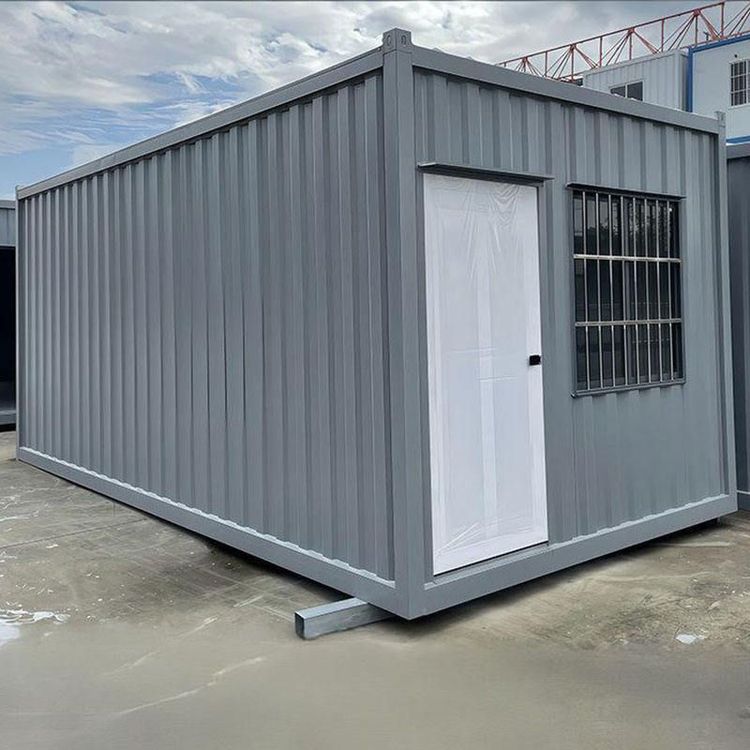
Scandinavian Mobile Toilet
The Scandinavian mobile toilet is an innovative public facility designed with ecological and environmental protection as its core, featuring significant characteristics of resource recycling and low environmental impact.

1. Eco-friendly Design
The core technology of the Scandinavian mobile toilet is the composting or biodegradation system, which decomposes waste through microorganisms, eliminating the need for flushing. This design avoids reliance on clean water, as required by traditional toilets, while reducing environmental pollution from sewage discharge. The microbial decomposition process converts organic matter into stable humus, which can be used as fertilizer or soil conditioner, forming a conversion chain from “waste to resource”. Additionally, some models adopt a waterless design, further reducing water consumption, while others utilize rainwater harvesting systems to provide flushing water, demonstrating the recycling of natural resources.
2. Resource Recovery Technology
The new generation of Scandinavian mobile toilets incorporates a phosphorus recovery module, extracting phosphate from urine through crystallization processes. Approximately 1.5 kilograms of phosphate raw material can be recovered per thousand uses. This technology alleviates the shortage of phosphorus resources while reducing the risk of eutrophication in water bodies caused by phosphorus in urine. Some experimental models also integrate microbial fuel cells, which generate weak electrical currents through electron transfer during organic matter decomposition, powering the toilet's monitoring systems (such as temperature and humidity sensors) for energy self-sufficiency. This “waste-to-energy” conversion model further enhances the sustainability of the facilities.
3. Urban Material Recycling Node Function
Testing projects have been conducted in Scandinavia to integrate mobile toilets into the urban material recycling system. Regularly collected degradation products (such as compost raw materials) are transported to regional composting centers, where they are mixed with food waste, garden waste, and other materials for processing, ultimately producing organic fertilizer. This process forms a closed recycling chain of “use-collection-processing-reuse”, upgrading mobile toilets from mere waste disposal facilities to key nodes in urban resource recycling, promoting the development of a circular economy.
4. Deep Integration of Environmental Protection Concepts
The design of Scandinavian mobile toilets embodies the environmental protection principles of “reduce, reuse, and recycle”. In addition to the aforementioned technologies, material selection also emphasizes biodegradability or recyclability, such as the use of biobased plastics or recycled metals. Some models are equipped with solar panels to power nighttime lighting or electronic devices, further reducing reliance on fossil fuels. These design details reflect Scandinavia's systematic thinking on sustainable development.