
Satire on Mobile Toilet Charging Model
"Mobile Toilet" is a joke that satirizes the charging model of mobile companies, using the scenario of a public toilet to reflect its past over-commercialized charging practices.
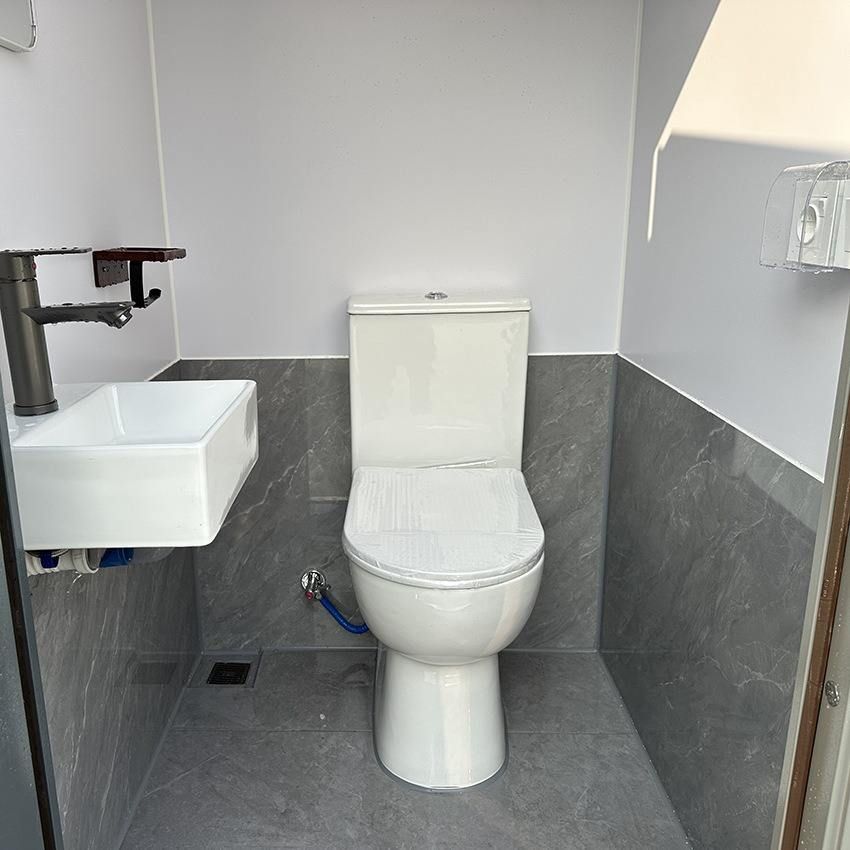
Analysis of the Joke
In the joke, the CEO of a mobile company goes to a public toilet, where the gatekeeper informs him of the charging rules: "30 cents to enter, 20 cents to exit." The CEO is puzzled by the charge for exiting, and the gatekeeper explains that it's "learning from the mobile company's two-way charging." This directly mirrors the mobile company's past two-way charging model for "receiving calls," where users had to pay not only for making calls but also for receiving them, a practice that sparked widespread controversy at the time.
Subsequently, after the CEO finishes using the toilet, he is stopped again, and the gatekeeper continues to add charging items: a "number selection fee" of 1 yuan for using stall number eight, satirizing the mobile company's past practice of tiered charging for mobile phone numbers, where premium numbers required additional fees; a "timeout fee" of 1 yuan for exceeding three minutes, reflecting the mobile company's segmented charging for call duration, with significantly increased fees after exceeding the package limit; and a "ringback tone fee" of 20 cents for the background music in the toilet, mocking the mobile company's mandatory promotion of ringback tone services and charging for them.
Reflection of Real-world Issues
The gatekeeper further suggests, "If you come here often, I recommend getting a public toilet package, which is more cost-effective and comes with 200 sheets of toilet paper." This suggestion satirizes the mobile company's practice of attracting users with various packages that often include services users don't need, along with hidden charges or restrictions, resulting in users' actual expenses not decreasing, or even increasing.
Conclusion
Through the everyday scenario of a public toilet, this joke humorously reveals the issues with the mobile company's charging model, such as two-way charging, excessive commercialization of value-added services, and unreasonable package design. These issues sparked widespread dissatisfaction and criticism from users at the time and prompted the mobile company to gradually adjust its charging strategy, placing greater emphasis on user experience and service quality.



