
Sansha Mobile Toilet Rental and Sales
Sansha offers a variety of mobile toilet rental and sales services, covering epidemic prevention centers, portable, outdoor, electric, eco-friendly, and vacuum mobile toilets, among others, to meet different scenario needs.
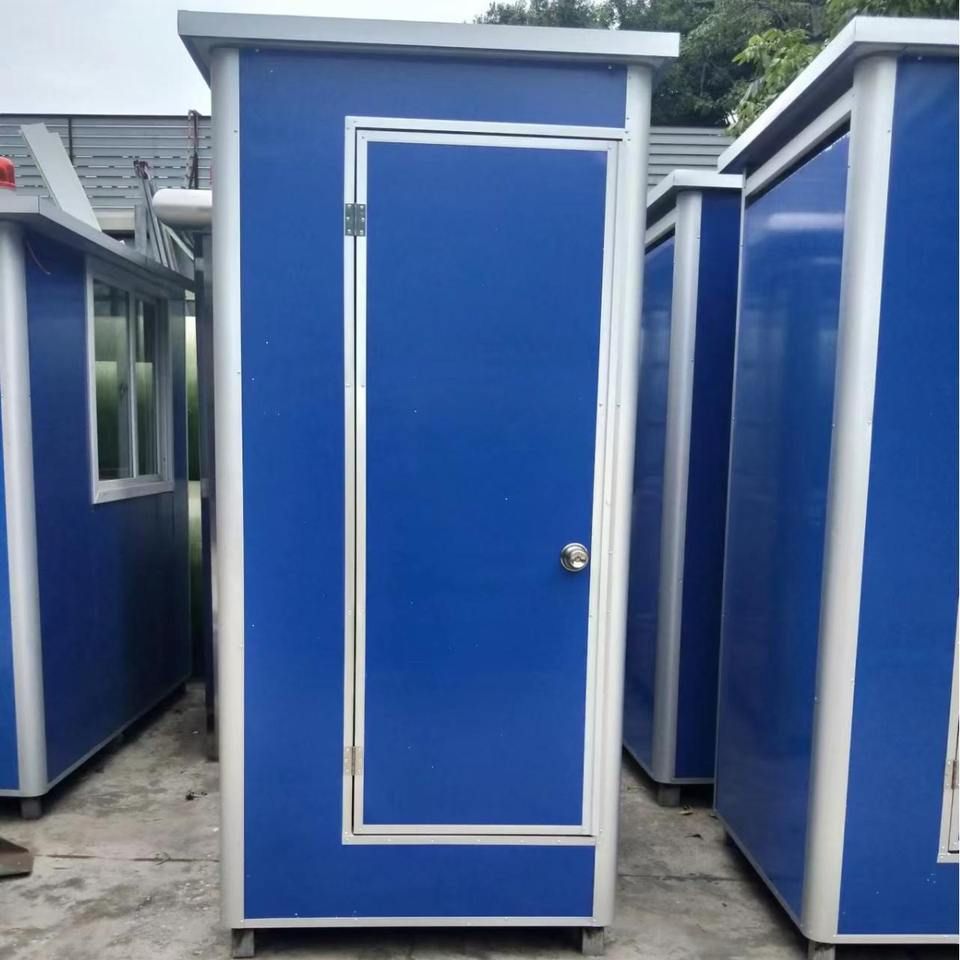
Core Components and Functions of Mobile Toilets
The design of mobile toilets is centered around modularity, with main structures including fecal sewage storage tanks (or disposal units), flooring, sanitary fixtures, walls, washing facilities, water tanks, roofs, and mobility units. Among these, the fecal sewage storage tank is a key component, with some high-end models equipped with biodegradation or chemical treatment units to reduce odors and lower pollution risks. Walls are often made of lightweight, high-strength materials (such as fiberglass or aluminum alloy), balancing durability and portability. Mobility units are typically wheeled or detachable structures, facilitating transportation by vehicles or manual handling.
Type Differences and Applicable Scenarios
- Epidemic Prevention Center Mobile Toilets: Enhanced sealing and disinfection functions, equipped with independent ventilation systems and ultraviolet sterilization units, suitable for epidemic-prone areas or medical emergency scenarios, effectively blocking pathogen transmission.
- Portable Mobile Toilets: Compact in size and lightweight, requiring no external water or electricity connections, ideal for outdoor adventures, temporary events, and other infrastructure-free environments. Some models feature foldable designs to further save space.
- Outdoor Mobile Toilets: Emphasizing wind and rain resistance, with waterproof roofing materials and thickened walls to adapt to harsh weather conditions, commonly found in tourist attractions, construction sites, and other open-air locations.
- Electric Mobile Toilets: Integrated with automated control systems for automatic flushing, lighting, and temperature regulation, enhancing user experience, often used in high-end events or commercial districts.
- Eco-Friendly Mobile Toilets: Utilizing water-saving technologies (such as foam sealing) or solar power to reduce resource consumption, aligning with sustainable development principles, suitable for ecologically sensitive areas or long-term outdoor projects.
- Vacuum Mobile Toilets: Employing vacuum negative pressure technology for rapid fecal suction, with extremely low water consumption (only 0.5 liters per use), ideal for water-scarce areas or high-traffic locations (such as stations and docks).
Advantages and Limitations
The mobility, rapid deployment, and modular combination of mobile toilets are their core advantages, enabling flexible responses to temporary needs or emergencies. However, it should be noted that some types rely on external power or water sources, and long-term use requires regular maintenance of storage tanks to prevent clogging or odor diffusion.



