
Sanlijing Second-hand Container House
Currently, there is no specific information about the 'Sanlijing Second-hand Container House'. The following is a general introduction to second-hand container houses:
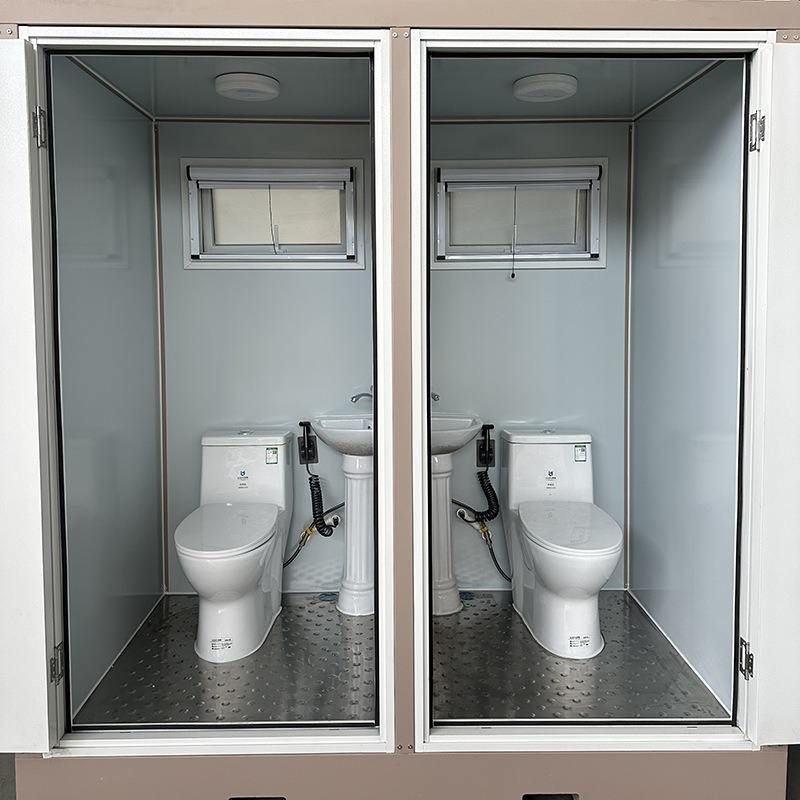
Definition and Characteristics of Second-hand Container Houses
Second-hand container houses are habitable or usable architectural spaces formed by transforming and renovating recycled old containers. Their core characteristics lie in environmental friendliness and cost-effectiveness. By reusing discarded containers, they reduce the generation of construction waste, aligning with the concept of sustainable development. Meanwhile, the procurement cost of second-hand containers is relatively low, and the renovation cycle is short, enabling quick deployment and suitability for temporary or low-cost housing needs.
Renovation Process and Structural Safety
The renovation of second-hand container houses typically involves three main stages: structural reinforcement, interior decoration, and functional zoning. Structural reinforcement ensures that the container's load-bearing capacity complies with building codes, especially when the number of floors increases or the house is used for commercial purposes. This may involve welding steel beams or adding support columns to enhance stability. Interior decoration covers insulation, waterproofing, and electrical wiring, requiring the use of eco-friendly materials to meet residential standards. Functional zoning can be designed according to needs, including bedrooms, kitchens, bathrooms, etc. Some high-end renovations may also incorporate smart home systems.
Applicable Scenarios and Limitations
Second-hand container houses are suitable for a wide range of scenarios, including temporary housing on construction sites, post-disaster reconstruction, and homestays in tourist attractions. Their modular design facilitates transportation and assembly, making them particularly suitable for remote areas or scenarios requiring rapid deployment. However, their limitations are also evident: limited space, as the internal area of a single container is typically less than 30 square meters, necessitating the combination of multiple containers to expand space; poor thermal insulation, requiring additional insulation layers to adapt to extreme climates; complex approval processes, as the legality of container houses is controversial in some regions, necessitating prior consultation with local planning departments.
Purchase Recommendations
When purchasing a second-hand container house, it is advisable to prioritize examining the supplier's qualifications, selecting enterprises with renovation experience to ensure quality. Secondly, pay attention to the container's age, as containers used for more than 10 years may suffer from rust or structural damage. Finally, request inspection reports, including load-bearing tests and environmental protection tests, to ensure usage safety.



