
How About Selling Mobile Toilets
Selling mobile toilets is a field with development potential and is worthy of attention, but it requires comprehensive consideration based on market demand, product characteristics, and service capabilities.
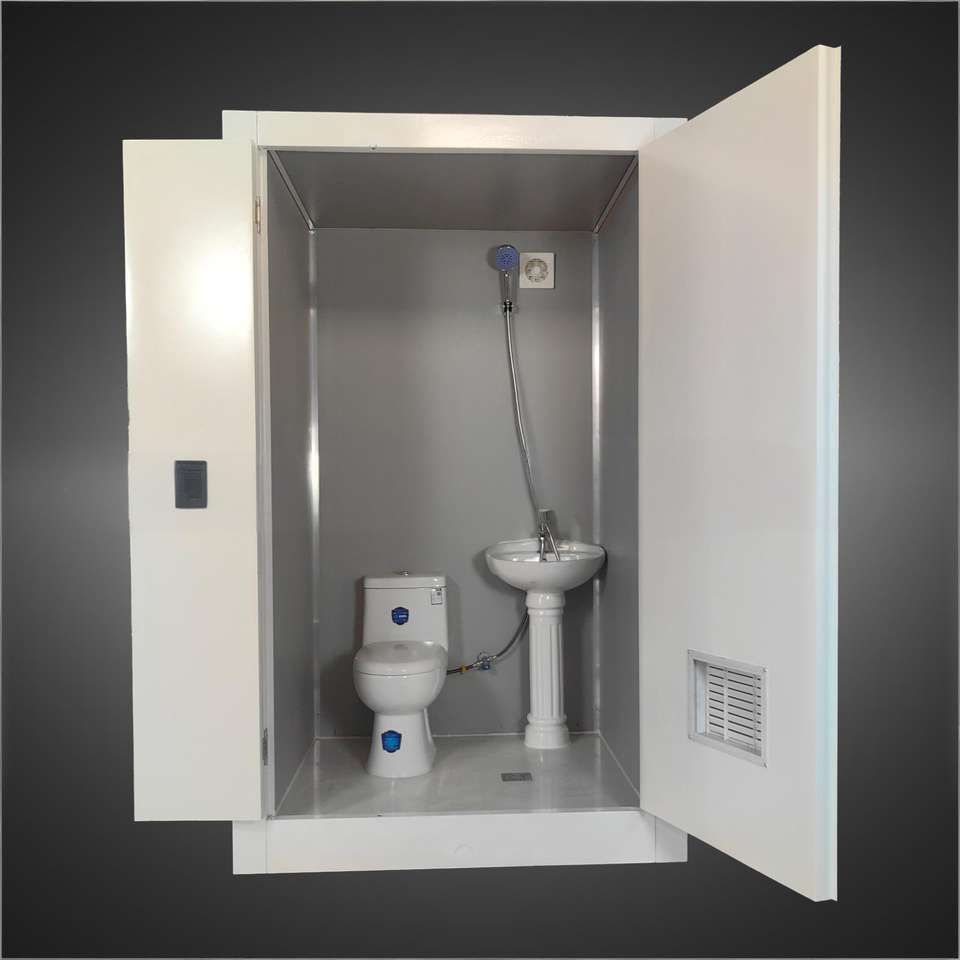
I. Wide Market Demand and Diverse Application Scenarios The core advantages of mobile toilets lie in their flexibility and convenience, enabling them to meet the needs of various scenarios:
- Temporary Scenarios: Such as large gatherings, short-term outdoor projects, and cultural and sports event sites, where rapid deployment is required, and the high cost and long cycle of traditional toilet construction need to be avoided.
- Special Scenarios: Tourist attractions need to supplement the number of fixed toilets due to large fluctuations in tourist traffic. In public health emergencies, mobile toilets can serve as emergency facilities for rapid response.
- Long-term Supplementary Scenarios: In some cities where the public toilet network coverage is insufficient, mobile toilets can serve as supplementary fixed points to enhance the convenience of public services. With the acceleration of urbanization and the increase in outdoor activities, market demand continues to expand, providing a broad space for sales.
II. Diverse Product Types and Technological Iteration and Upgrades Mobile toilets have formed a diversified product system to meet differentiated needs:
- Diverse Types: Including packaged toilets (no water flushing, suitable for water-scarce areas), water-flushing toilets (high cleanliness), biodegradable toilets (environmentally friendly and energy-saving), and vehicle-mounted toilets (strong mobility), covering细分 markets from basic to high-end.
- Technological Upgrades: Products have evolved from simple trailer-mounted types to box-type and then to functional modular and integrated types (such as intelligent monitoring and deodorization systems). The market has transitioned from "meeting the basic need" to "focusing on quality." In the future, customization capabilities (such as adjusting designs according to terrain and climate) will become a key competitive factor.
III. Professional and Systematic Sales Services A reliable sales company needs to have the following capabilities:
- Supply Chain Guarantee: Collaborate with manufacturers with formal production qualifications to ensure that products comply with technical specifications (such as environmental protection standards and structural safety).
- Technical Consultation Capability: Provide differentiated configuration suggestions based on usage scenarios (such as freeze-proof design for cold regions and aesthetic requirements for tourist attractions).
- Full-cycle Services: Provide standard installation services or technical guidance, clarify long-term maintenance items (such as consumable replacement cycles and troubleshooting methods), and reduce customer usage costs.
IV. Challenges and Countermeasures Market competition has shifted from price and basic functions to systematic solution capabilities. Sales parties need to:
- Enhance Professional Competence: Gain an in-depth understanding of environmental issues in different scenarios (such as sewage discharge restrictions and power supply conditions) and provide targeted solutions.
- Strengthen Service Quality: Build customer trust through after-sales tracking and regular maintenance to form long-term cooperative relationships.



