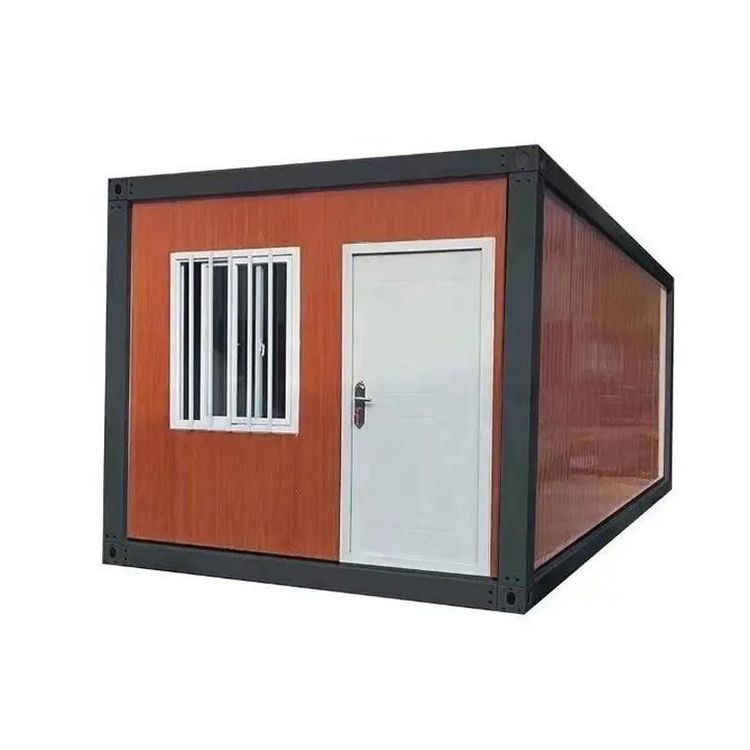
Portable Toilets for Construction Sites in Ruyang County
Construction sites in Ruyang County can opt for portable toilets provided by local manufacturers, whose process designs form differentiated solutions tailored to scenario needs. For construction site scenarios, the basic model with squatting positions and flushing systems is recommended due to its lower cost and strong adaptability.

Process Design Features: Combination of Modularity and Intelligence
The process design of portable toilets is optimized from four dimensions:
- Traditional Process Upgrade: Aluminum alloy die-cast parts are used instead of traditional welding processes, with frame assembly achieved through mortise-and-tenon connections. This design reduces the installation time for a single module to 15 minutes and enhances structural stability and construction efficiency with a lateral force resistance of up to 3 kN/m².
- New Material Application: The main frame is made of aluminum alloy, combining lightweight properties with corrosion resistance to extend service life. Hydraulic telescopic rod technology allows for a width adjustment of ±30%, providing flexible adaptation to different transport vehicles (such as standard trucks or small vans) and site space constraints (such as narrow construction sites or temporary event areas).
- Intelligent Integration: Some high-end models are equipped with intelligent monitoring systems that provide real-time feedback on usage status (such as water tank levels and waste capacity) for easy maintenance management. The basic models reduce water consumption by optimizing flushing systems (such as water-saving valves) to suit the limited water resources at construction sites.
- Environmental Adaptability: In response to construction site environments with dust and high temperatures, a more sealed door structure is designed to reduce odor diffusion. The bottom features anti-slip tiles to minimize usage risks on rainy days.
Recommendations for Construction Site Adaptation: Prioritize Basic Models
The core needs for portable toilets at construction sites are low cost, easy deployment, and durability. The basic model with squatting positions and a flushing system is recommended for the following reasons:
- Cost Advantage: The basic model omits non-essential features like intelligent monitoring, resulting in a lower price. Additionally, the aluminum alloy frame and standardized modular design reduce long-term maintenance costs.
- Practical Functionality: The squatting position design aligns with the usage habits of construction site personnel, while the flushing system (with options for foot-operated or manual valves) effectively reduces odors and improves hygiene conditions.
- Flexible Deployment: Each module is lightweight (approximately 100-150 kg) and can be quickly transported to designated locations using forklifts or manual labor without the need for complex foundation work, making it suitable for short-term or frequently relocated construction sites.
If higher hygiene standards are required at the construction site, an upgraded model with a sewage discharge port can be selected to achieve centralized waste treatment by connecting to a septic tank or municipal sewer network, though this requires prior planning of pipeline layouts.