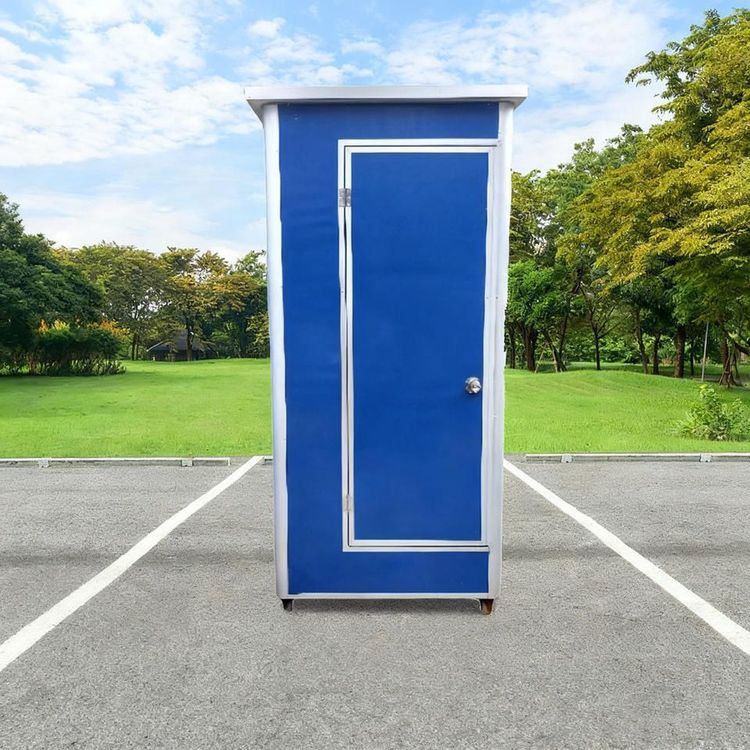
Rural Self-Built Mobile Toilet
A rural self-built mobile toilet is a flexible and convenient sanitation facility that meets diverse needs, featuring mobility, easy installation, environmental protection, and durability.

Structural Composition and Materials
Mobile toilets typically consist of core components such as fecal wastewater storage tanks (or disposal units), floor slabs, sanitary fixtures, walls, washing facilities, water tanks, roofs, and mobile units. Their materials have evolved from traditional wood to modern fiberglass and polyethylene, which offer advantages such as lightweight, corrosion resistance, and ease of cleaning, significantly enhancing the toilet's durability and environmental friendliness. They can be classified by structural form into single-unit structures (independent units) and composite structures (multi-unit combinations); by mobility into hoisting and handling types (requiring mechanical assistance) and powered towing types (self-propelled); and by wastewater treatment methods into flush types (requiring a water source), non-flush suction types (regular cleaning of fecal storage tanks), recirculating flush types (wastewater purification and reuse), and dry packing types (using biodegradable bags to collect feces).
Core Advantages
Flexibility and Convenience
No bricklaying construction is required; simply connect to water and electricity supplies for immediate use. The entire unit can be moved to temporary locations (such as farmland work areas or outdoor event venues), avoiding the fixed limitations of traditional toilets. For example, a mobile bathroom unit measuring 2 meters in width and 3 meters in length, featuring aluminum alloy glass doors and a wet-dry separation design, saves space and enhances the user experience.Economy and Efficiency
It eliminates the civil engineering costs associated with traditional toilets and has a short installation period, making it suitable for rapid deployment in rural areas. Colors and styles can be customized to meet individual needs, and nationwide shipping is supported, reducing logistical barriers.Environmental Protection and Eco-Friendliness
Dry packing and recirculating flush toilets reduce water consumption or treat feces harmlessly, lowering environmental pollution and meeting rural ecological construction requirements.
Design Principles
- Lightweight and Durable: Prioritize the use of lightweight materials (such as fiberglass) to reduce mobility difficulties while ensuring structural stability to adapt to different terrains.
- Functional Rationality: Control the height and width of the toilet for easy transportation and installation; mobile units (such as wheels and towing hooks) must be well-designed to ensure safe operation.
- Humanistic Care: The internal layout should conform to ergonomics, such as incorporating makeup mirrors and sinks, to enhance user comfort.
Applicable Scenarios
Suitable for rural temporary events, farmland operations, tourist attractions, and other scenarios, especially in areas with inconvenient water and electricity supplies or where frequent relocation is required. Its modular design also supports multi-unit combinations to meet the sanitation needs of large groups of people.