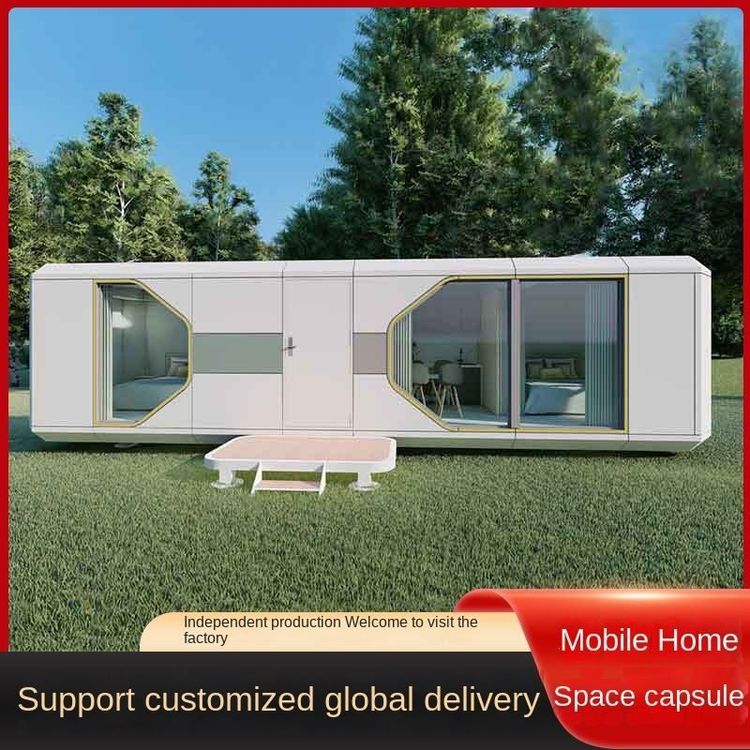
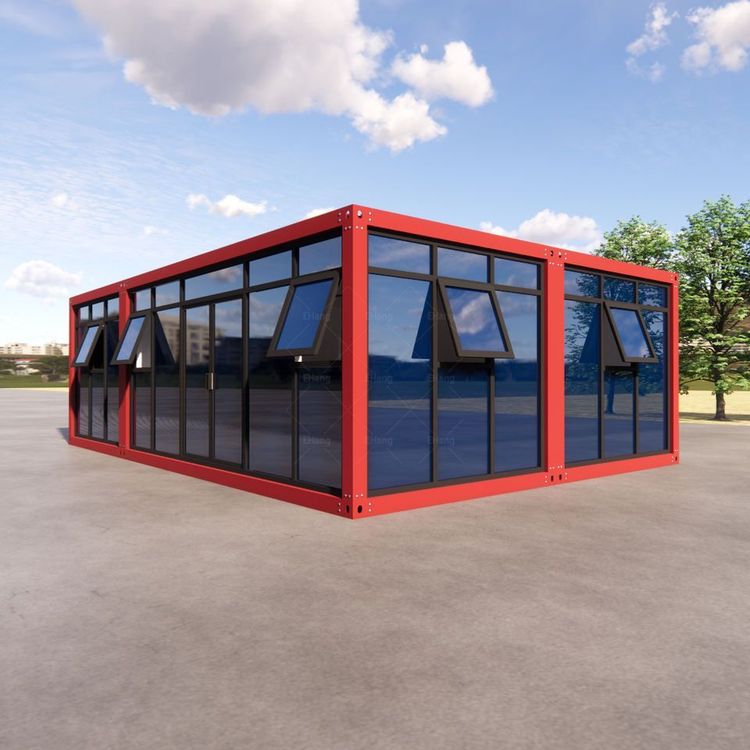
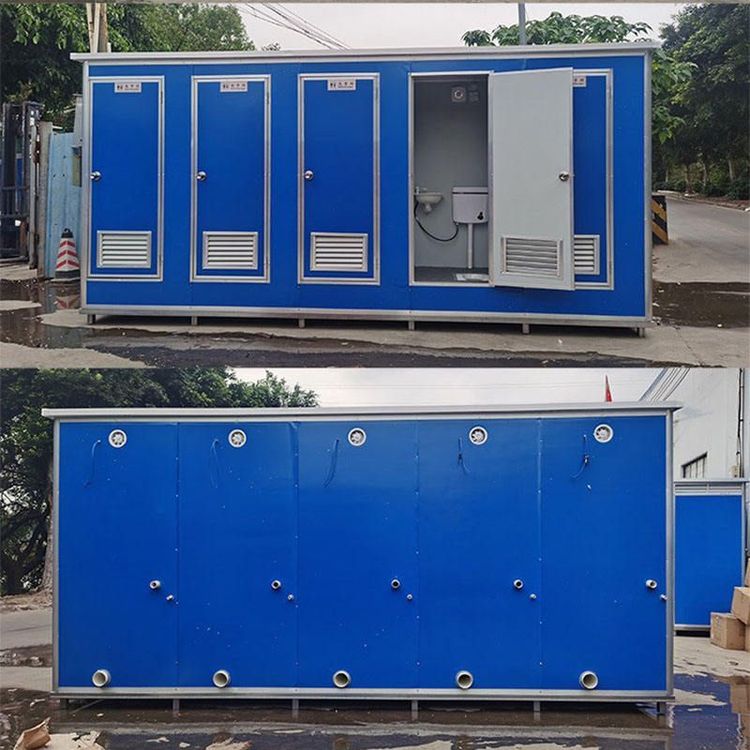
Images of Rural Prefabricated Toilets
Currently, we cannot directly provide images of rural prefabricated toilets, but we can introduce their common types and design considerations.

As an important part of rural sanitation facilities, the design and construction of rural prefabricated toilets must fully consider practicality, hygiene, and harmony with the overall architectural style. The common types of rural prefabricated toilets mainly include the following:
I. Standalone Prefabricated Toilets
These toilets are typically constructed separately from the main house, using prefabricated components such as concrete slabs and light steel frames for rapid assembly. Their advantages include short construction periods, relatively low costs, and ease of maintenance and cleaning. When designing, attention should be paid to ventilation and lighting to ensure a dry and odor-free interior environment. Additionally, a reasonable sewage disposal system should be planned, with options such as septic tanks or ecological treatment methods to reduce environmental pollution.
II. Attached Prefabricated Toilets
Attached toilets are directly connected to the main house, usually located on one side or at the rear. This design saves space and offers greater convenience in use. The choice of prefabricated components should consider coordination with the materials and style of the main house, such as using the same exterior wall materials or color schemes. The interior layout should be reasonable, with distinct wet and dry areas to enhance comfort.
III. Eco-Friendly Prefabricated Toilets
With the rise of environmental awareness, eco-friendly toilets have gradually become the preferred option in rural areas. These toilets utilize technologies such as biodegradation and solar heating to achieve harmless treatment and resource utilization of feces. The design of prefabricated components should emphasize airtightness and durability to prevent odor leakage and rainwater intrusion. Additionally, corresponding monitoring and maintenance equipment should be provided to ensure long-term stable operation of the toilets.
Summary of Design Considerations:
Regardless of the type of prefabricated toilet chosen, key elements such as ventilation, lighting, sewage disposal, and environmental protection must be prioritized. Furthermore, local climate conditions, usage habits, and economic levels should be taken into account to develop forward-looking design plans that meet actual needs.