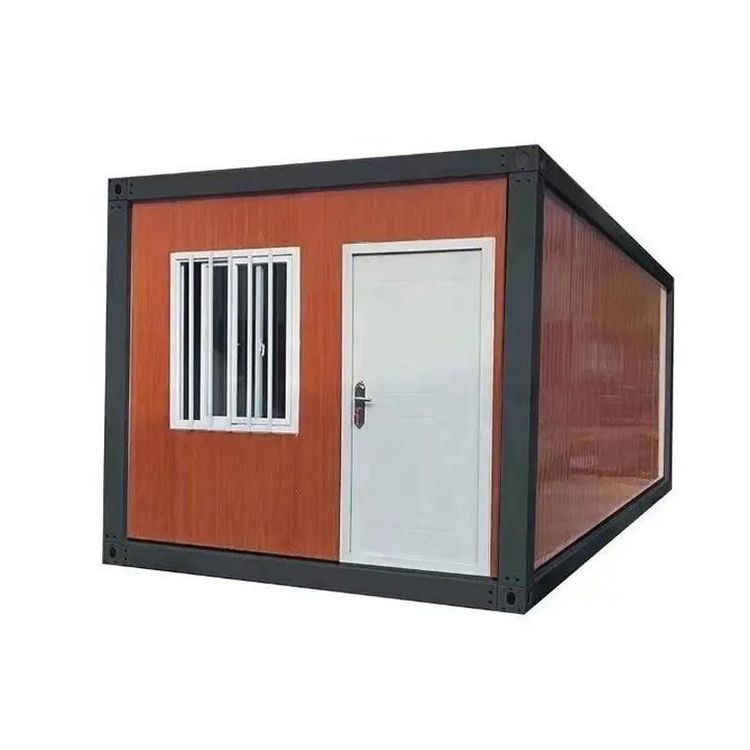
Rural Prefabricated Panel Structure Houses
Rural prefabricated panel structure houses are buildings constructed mainly with prefabricated panels, which are factory-made cement components. These houses have issues such as weak earthquake resistance and poor sound and heat insulation, and may face more renovation or demolition in 2025.
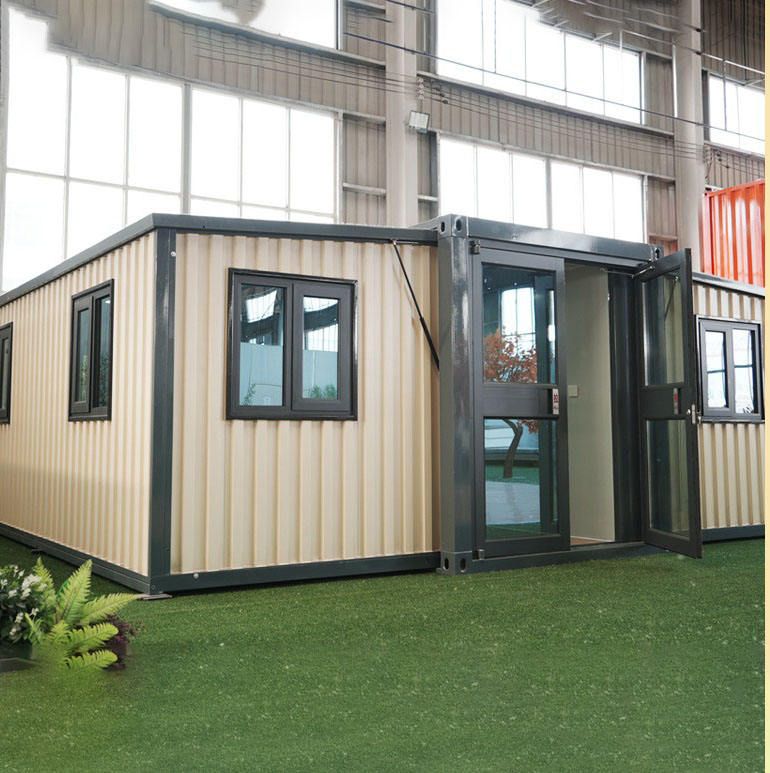
Structure and Origin
Prefabricated panels are factory-produced cement components. To make them, a wooden model is first nailed together, then steel bars are arranged and cement is poured in, resulting in two types: solid and hollow. The hollow structure achieves lightweighting by reducing the non-load-bearing concrete. This building form originated in the early 20th century. In China, most residential buildings constructed before 1985 adopted this structure, mainly for floor slabs and roof insulation layers.
Advantages and Contributions
Prefabricated panel houses are low-cost and quick to build, solving the housing problems of countless people in the past. State-owned enterprises and government agencies competed to use them to build dormitories for their employees, and many people in rural areas also followed suit and built prefabricated panel houses, which to some extent alleviated the housing shortage.
Existing Problems
- Weak earthquake resistance: Over time, the earthquake resistance of some prefabricated panel houses can no longer meet the requirements, posing significant safety risks during earthquakes and other natural disasters.
- Poor sound and heat insulation: The walls of prefabricated panel houses are thin, with almost zero sound insulation effect, making residents vulnerable to external noise interference. At the same time, their heat insulation performance is also poor. In summer, the indoor temperature is high, like being in a sauna; in winter, it is extremely cold, leading to an increased frequency of using heating and cooling equipment such as air conditioners and high electricity bills.
- Limited service life: The service life of prefabricated panel houses is about 30 - 50 years. As time goes by, the structure and performance of the houses will gradually decline.
- Easy cracking and leaking of the ground: The gaps自带 (inherent) in the prefabricated panels are the source of trouble. When the foundation subsides slightly, cracks will spread across the walls and floors like a spider web. On rainy days, water leakage from the upper floors will directly flow to the lower floors, easily causing neighbor disputes.
Policy Impact
Since 2022, China has implemented the old community renovation policy, focusing on the repair and renovation of prefabricated panel houses and only demolishing buildings that meet the criteria for dangerous houses. In 2025, influenced by the policy direction of the Ministry of Housing and Urban-Rural Development, the accelerated promotion of urban village renovation, and new safety regulations for rural self-built houses, prefabricated panel houses may face more renovation or demolition.