
Are Rural Prefabricated Panel Houses Sturdy?
Rural prefabricated panel houses are not very sturdy, have poor integrity, and pose certain safety hazards.
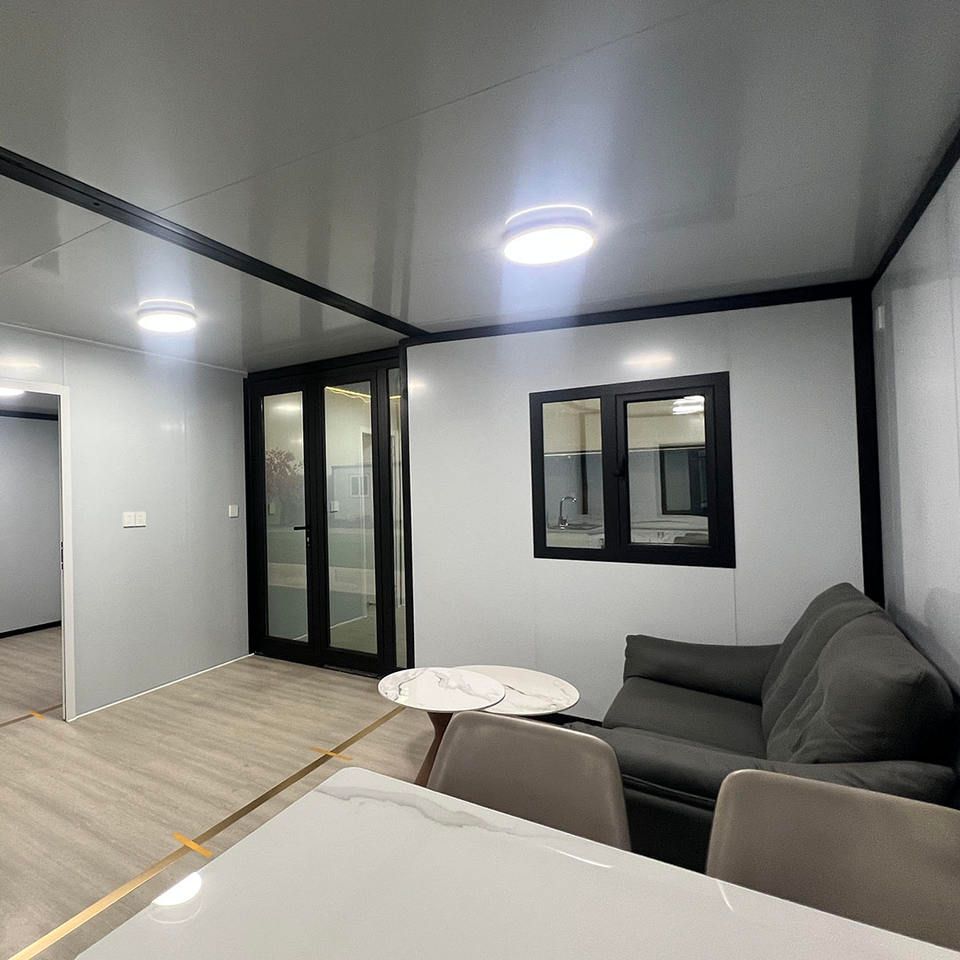
From the perspective of structural strength, prefabricated panels are hollow, with the middle part basically not bearing any load. This structural characteristic leads to uneven force distribution when subjected to external forces, resulting in poor overall stability. In the event of natural disasters such as earthquakes, prefabricated panel houses are highly susceptible to damage and can collapse in an instant. The vibrations generated by an earthquake subject the house to both horizontal and vertical forces. Due to the poor integrity of prefabricated panel houses and the lack of effective connections and coordinated force-bearing mechanisms between their parts, they are unable to withstand the impact of these forces, making them highly prone to structural damage and collapse accidents, posing a serious threat to the lives of occupants.
In addition to structural strength issues, prefabricated panel houses also have other problems that affect their usability and safety. Poor waterproofing is a more prominent issue. The presence of holes inside the prefabricated panels results in subpar waterproofing performance. During long-term use, especially on rainy days, rainwater can easily penetrate through these pores into the house, leading to a relatively high probability of water leakage. Water leakage not only damages the interior decoration and furniture but may also cause indoor dampness, leading to mold growth and affecting the health of occupants.
Poor thermal insulation is also a significant drawback of prefabricated panel houses. The thermal insulation performance of prefabricated panels is very poor. In summer, external high temperatures can easily transfer through the panels into the house, raising the indoor temperature and making it feel stuffy and unbearable. In winter, the opposite occurs, with indoor heat rapidly dissipating, resulting in low indoor temperatures and requiring a large amount of energy to maintain a comfortable temperature. To improve this situation, secondary roofing materials generally need to be added on top of the floor panels, which increases both construction and usage costs.
In summary, rural prefabricated panel houses have certain issues in terms of sturdiness, waterproofing, and thermal insulation. When constructing or choosing a residential house, these factors need to be fully considered.



