Rural Prefabricated Houses
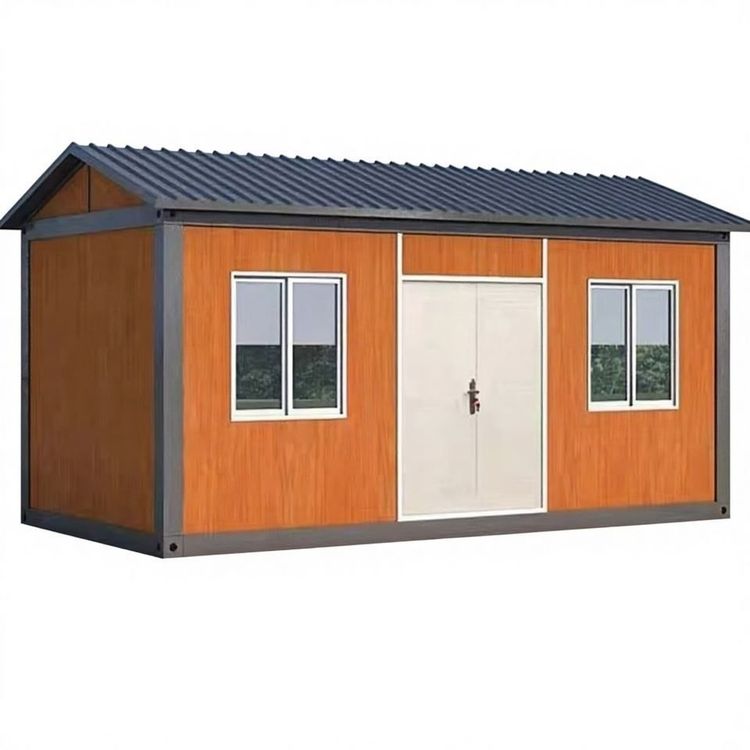
Rural prefabricated houses represent an innovative approach in rural housing construction in recent years, characterized by speed, efficiency, and low cost, but also facing challenges such as limited design flexibility and the need for performance improvements.

Core Advantages
- High Construction Efficiency: Prefabricated houses are produced using standardized factory processes, with walls, floors, and other components prefabricated in advance and assembled on-site through modular construction. For example, the cement prefabricated house technology introduced in rural Henan can complete the assembly of a villa in just 4 hours, with the entire building taking only 2 days. This “building block” construction method significantly shortens the construction period and is unaffected by adverse weather conditions, addressing the issues of long construction cycles and climate dependency in traditional housing construction.
- Low Cost: The cost per square meter of prefabricated houses is just over 300 yuan, with the total cost of a large villa being around 100,000 yuan, significantly lower than that of traditional brick-and-mortar structures. This cost advantage stems from the reduced material waste and labor costs achieved through factory-scale production, as well as the simplified on-site construction process, making it suitable for rural families with limited financial resources.
- Combination of Standardization and Customization: During factory production, wall thickness is uniformly set at 15 centimeters, while floor height can be customized between 3 meters and 3.6 meters, and the maximum length of a single room can reach 10 meters. This combination of standardization and moderate customization ensures structural stability while meeting the basic spatial layout needs of rural users.
Shortcomings
- Limited Design Flexibility: The modular production model of prefabricated houses results in relatively fixed floor plans, making it difficult to achieve complex or personalized architectural designs, potentially failing to meet the aesthetic or functional diversity needs of some users.
- Performance Optimization Needed: Thermal insulation and seismic resistance are current technological weaknesses. For example, in earthquake-prone areas, the safety of some prefabricated houses' splicing methods (such as foundation piles fixed via footplates and beams connected using mortise-and-tenon joints) still requires further verification and improvement.
- Controversy Over Splicing Safety: During on-site assembly, component connections rely on mechanical fastening or mortise-and-tenon joints. If construction is not standardized or foundation treatment is inadequate, overall stability may be compromised. This stage places high demands on worker skills and supervision.
Current Applications
Currently, companies such as Shandong Haofangzi Rural Villa Building Materials Technology Co., Ltd. have deep roots in the prefabricated cement house sector, offering products such as rural self-built houses, villas, courtyard walls, and cement gates, with service networks covering multiple regions. With technological advancements and policy support, prefabricated houses are expected to further balance cost and performance through material upgrades (such as the use of lightweight, high-strength materials) and structural optimizations (such as enhancing joint connection strength), potentially becoming a mainstream choice for rural housing construction.