
Occupancy Process for Rural Prefabricated Houses
The occupancy process for rural prefabricated houses mainly includes four stages: homestead application and approval, prefabricated house construction, completion acceptance and real estate registration, and moving in to the new residence.
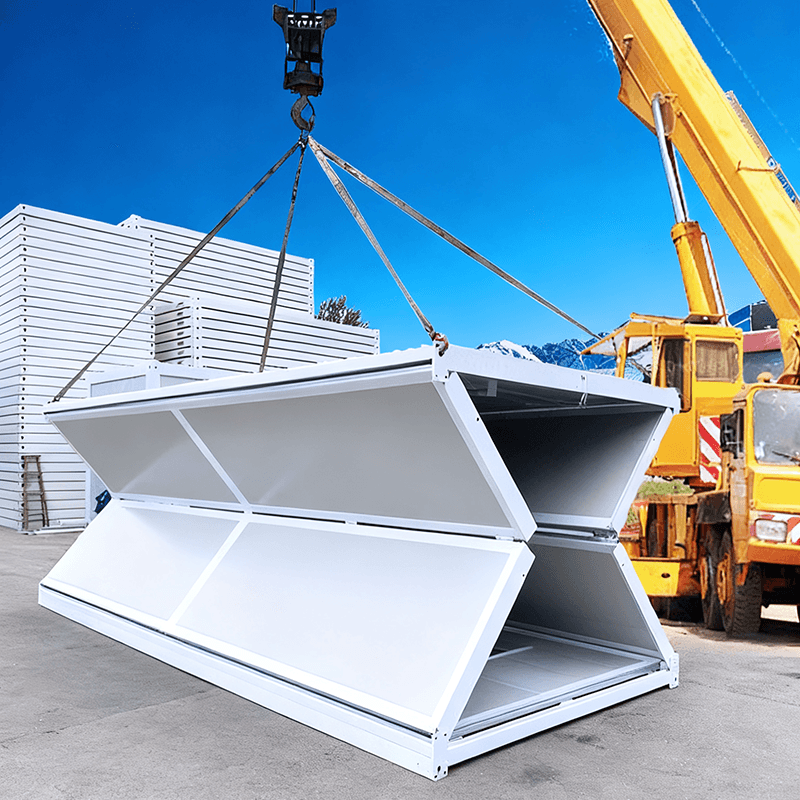
I. Homestead Application and Approval Applicants must be members of the village's collective economic organization and comply with the 'one household, one homestead' principle. They may apply for a homestead due to reasons such as their children's marriage, the settlement of migrant populations, natural disasters, or planning needs. Required materials include an ID card, household register, homestead application (clearly stating the application reasons, land location, and area), and land ownership certificate. The process includes:
- Village Group Discussion and Public Announcement: The application is discussed at a meeting, with a public announcement period of no less than 5 working days. If there are no objections, it is submitted to the village-level organization for review.
- Village-Level Organization Review: The authenticity and compliance of the materials are verified, and opinions from adjacent rights holders are solicited. After passing the review, it is submitted to the township government.
- Township Government Joint Review and Approval: The township government organizes departments such as agriculture and rural areas, and natural resources for a joint review. If conditions are met, approval is granted within 5 working days, and a 'Rural Homestead Approval Certificate' and a rural construction planning permit are issued.
II. Prefabricated House Construction After obtaining approval, an application must be made to the township government to delineate the homestead land area. Construction can commence only after on-site setting out and line checking. During construction, local building codes, safety standards, and environmental protection requirements must be strictly followed to ensure the house's structural stability and material compliance, avoiding issues that may affect subsequent acceptance.
III. Completion Acceptance and Real Estate Registration After the house is completed, an application for completion acceptance must be submitted to the township government. Relevant departments will conduct on-site inspections of the house's structure, fire safety, environmental protection, and other indicators, and issue an acceptance opinion form. After passing the acceptance, an application for real estate registration must be submitted to the real estate registration department with the approval documents and acceptance opinion form to obtain a property ownership certificate, clarifying the house's property rights.
IV. Moving In to the New Residence (Moving-In Ceremony)
- Preparation Stage: Choose an auspicious day, purchase new furniture, appliances, and daily necessities, prepare traditional items such as firecrackers, incense, candles, and sacrificial offerings, and thoroughly clean the new residence to symbolize the removal of old impurities.
- Moving-In Ceremony: Move in large furniture at the auspicious time and set off firecrackers at the entrance of the new residence; place sacrificial offerings inside the house to worship deities such as the Earth God and pray for peace; cook foods like glutinous rice balls with a new pot to symbolize reunion and sweetness.
- Subsequent Activities: Host a banquet to celebrate with relatives and friends on the moving-in day; family members stay overnight in the new residence to adapt to the environment and complete the moving-in process.



