
Insulation Boards for Rural Prefabricated Houses
Common types of insulation boards used in rural prefabricated houses include EPS insulation boards, XPS insulation boards, rock wool boards, and prefabricated insulation wall panels, all of which can enhance the thermal insulation performance of houses and reduce energy consumption through different mechanisms.
I. Common Insulation Board Materials and Their Characteristics
EPS Insulation Board (Expanded Polystyrene Foam Board)
EPS boards are made from expandable polystyrene granules, which are heated and pre-expanded before being molded. Their key advantages lie in their lightweight nature and low cost, along with a relatively low thermal conductivity (approximately 0.038-0.042 W/(m·K)), effectively blocking heat transfer. Additionally, EPS boards have low water absorption and excellent moisture resistance, making them suitable for use as insulation layers on prefabricated concrete roofs, especially in humid climates or regions with small temperature variations.XPS Insulation Board (Extruded Polystyrene Board)
XPS boards are manufactured through an extrusion process, resulting in a dense structure with a closed-cell rate exceeding 99%. Their thermal conductivity is even lower (approximately 0.028-0.034 W/(m·K)), providing superior thermal insulation performance compared to EPS boards. Moreover, XPS boards have high compressive strength (up to 250-500 kPa), enabling them to withstand construction and long-term loads. With extremely low water absorption (<1%), XPS boards exhibit outstanding moisture and freeze resistance, making them ideal for roofs of prefabricated houses in cold regions or those with high thermal insulation requirements.Rock Wool Board
Rock wool boards are produced by melting natural ores such as basalt and then fiberizing them. With a thermal conductivity of approximately 0.036-0.044 W/(m·K), they offer good thermal insulation performance and are Class A non-combustible, providing excellent fire resistance. Rock wool boards have low moisture absorption and strong corrosion resistance, with a lifespan of over 50 years, making them suitable for rural prefabricated houses with strict fire safety requirements, especially for roof or exterior wall insulation layers.
II. Advantages of Prefabricated Insulation Wall Panels
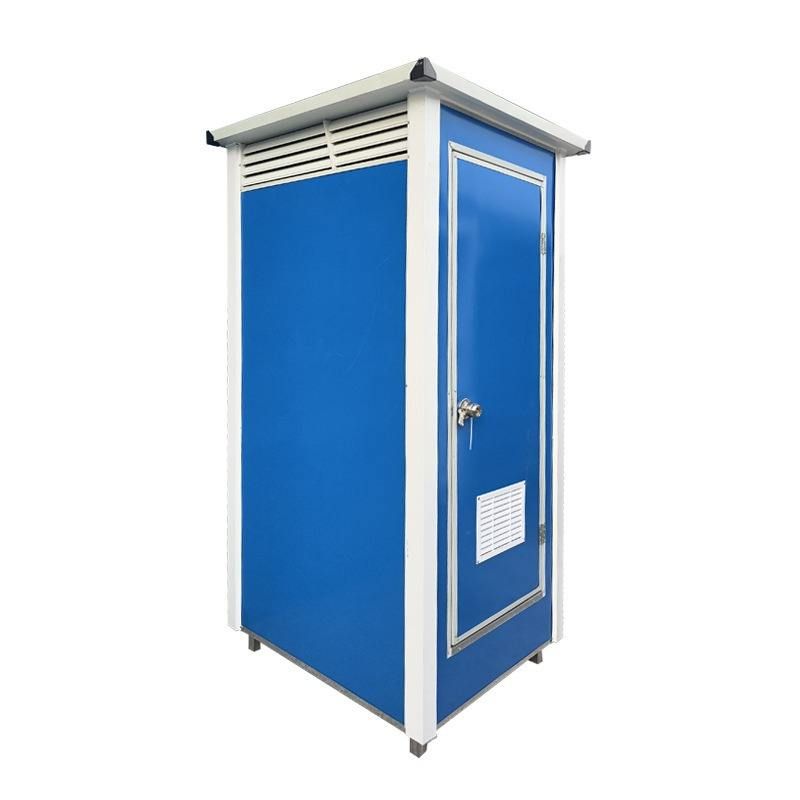
Prefabricated insulation wall panels adopt a 'sandwich' structure, filled with insulation materials such as rock wool or polystyrene boards in the middle, and covered with cement fiber boards or metal panels on both sides. The exterior surface directly integrates decorative finishes (such as tiles or paint). Their key advantages include:
- Integration of Thermal Insulation and Decoration: The exterior wall treatment is completed at the factory, eliminating the need for secondary decoration on-site, shortening the construction period, and reducing material waste.
- High Construction Efficiency: The wall panels are prefabricated in the factory and directly assembled on-site, meeting the demand for rapid house construction in rural areas.
- Strong Durability: The outer panels are tightly bonded to the insulation layer, and the decorative finish has the same lifespan as the building, reducing long-term maintenance costs.
III. Application Scenarios and Selection Recommendations
- Roof Insulation: Prioritize XPS boards or rock wool boards, with the former offering superior thermal insulation performance and the latter providing outstanding fire resistance.
- Exterior Wall Insulation: If construction speed and overall integrity are pursued, prefabricated insulation wall panels are an ideal choice; if flexible design is required, EPS/XPS boards can be used separately with a protective layer on the exterior.
- Climate Adaptability: For cold regions, XPS boards or rock wool boards are recommended; for humid regions, the moisture resistance of EPS boards can be emphasized.



