Rural Prefabricated House Assembly in Fujian
In rural Fujian, the assembly of prefabricated houses is an efficient and practical construction method, characterized by fast construction speed, controllable quality, and strong adaptability.

Construction Method and Efficiency
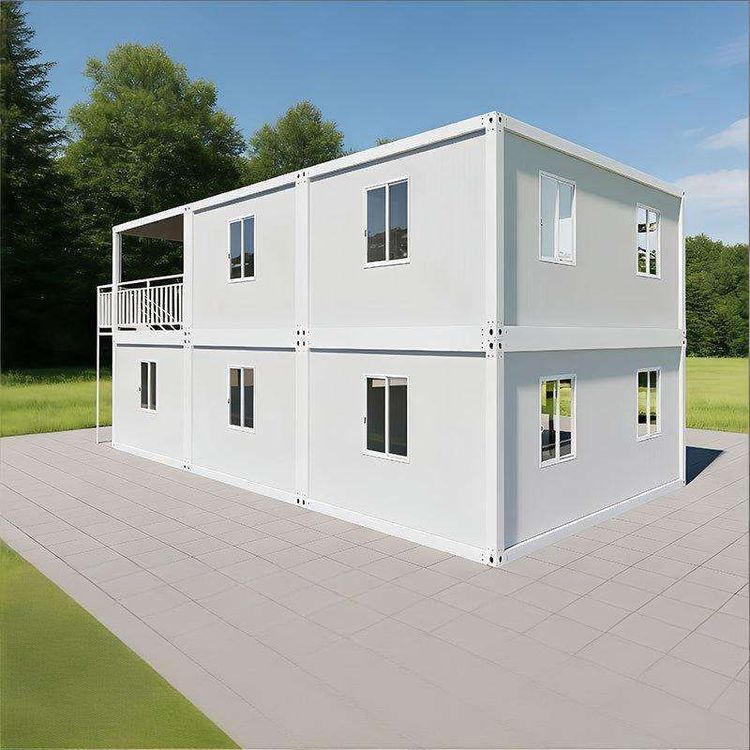
Prefabricated integrated houses in Fujian adopt an "integrated design, factory production, and modular construction" model. Modules such as structures, walls, and pipelines are standardized and produced in factories before being transported to the site for assembly, significantly improving construction efficiency. For example, a three-story villa in Dayong Village, Luncang Town, Nan'an, had its main structure assembled from prefabricated panels using mortise-and-tenon joints and high-strength bolts, eliminating the need for traditional beams or columns and taking only 2 days to complete. The construction period is shortened to about one-third of that of traditional buildings, with minimal weather impact, low labor dependency, and significantly reduced error rates.
Technical Characteristics and Performance Advantages
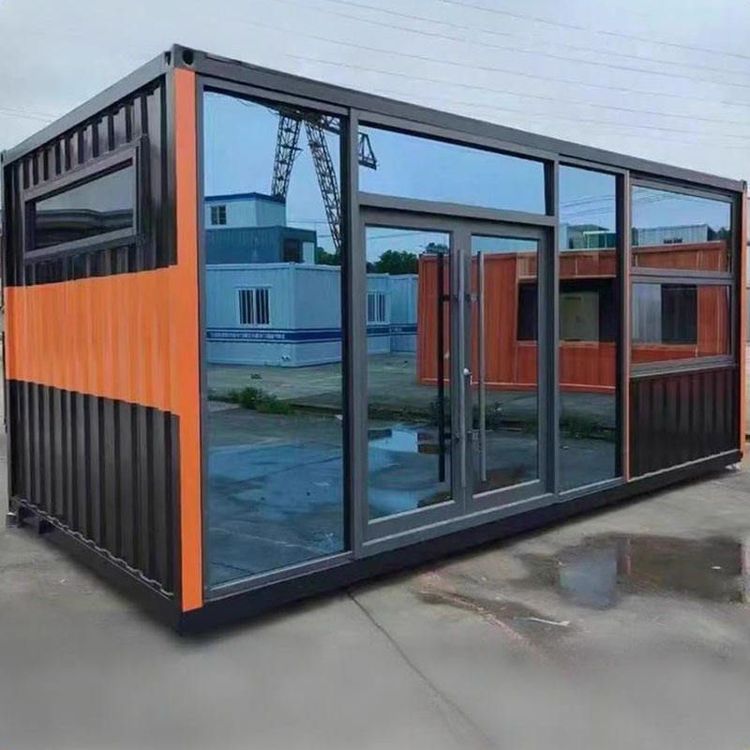
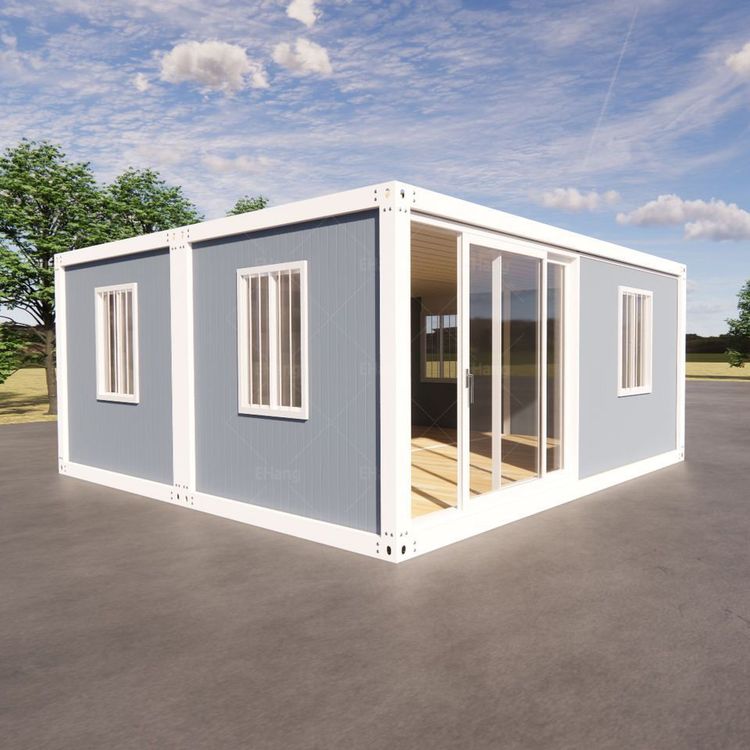
- Structural System: Light steel structures or modular box structures are commonly used, offering good seismic resistance (capable of withstanding earthquakes of magnitude 6-7) and corrosion resistance, suitable for the high-humidity and high-salt environment along the Fujian coast.
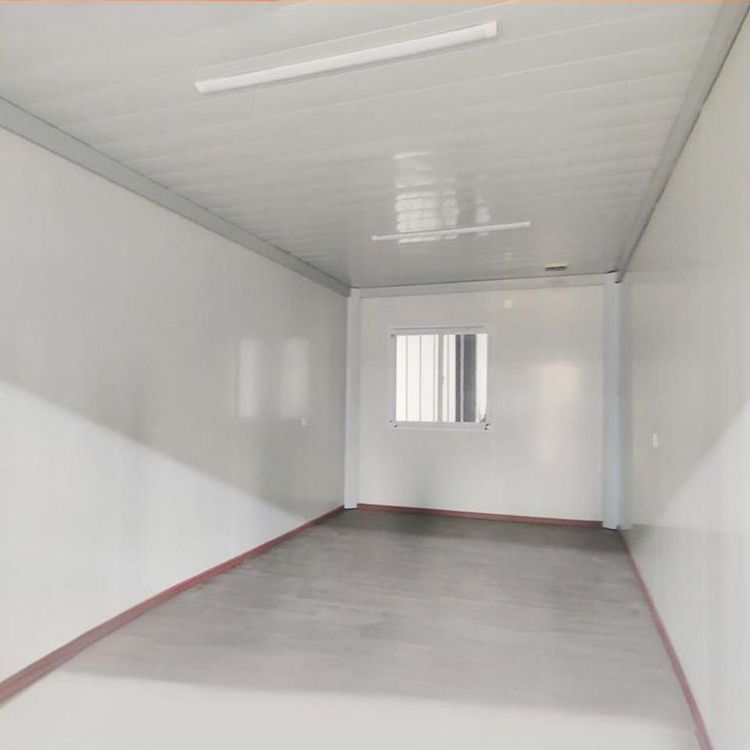
- Wall Materials: Composite insulation panels are widely used, integrating thermal insulation, moisture resistance, and sound insulation functions to meet the living comfort needs in subtropical monsoon climates. For example, the wall heat transfer coefficient can be as low as 0.5W/(m²·K), effectively reducing air conditioning energy consumption.
- System Integration: Water, electricity, and HVAC systems are pre-installed in factories, with only pipeline and wiring connections required on-site, reducing on-site work by over 90% and avoiding pipeline conflicts common in traditional construction.
Application Scenarios and Adaptability
This construction method is widely applicable in areas such as rural revitalization, emergency shelter, tourist homestays, and industrial park support facilities. For example, in rural revitalization, it can quickly build村民住宅 (villager residences) or public facilities; in emergency scenarios, modular box structures can complete temporary shelter construction within 48 hours; tourist homestays meet differentiated demands through personalized design while maintaining construction efficiency.
Environmental Protection and Economy
Factory production reduces on-site construction waste, with material recycling rates exceeding 85%. Light steel structures weigh 40% less than traditional concrete structures, reducing foundation treatment costs. Overall costs are 15%-20% lower than traditional buildings, with maintenance costs reduced by 30%, offering long-term economic advantages.