Prefabricated Assembly Houses in Rural Areas
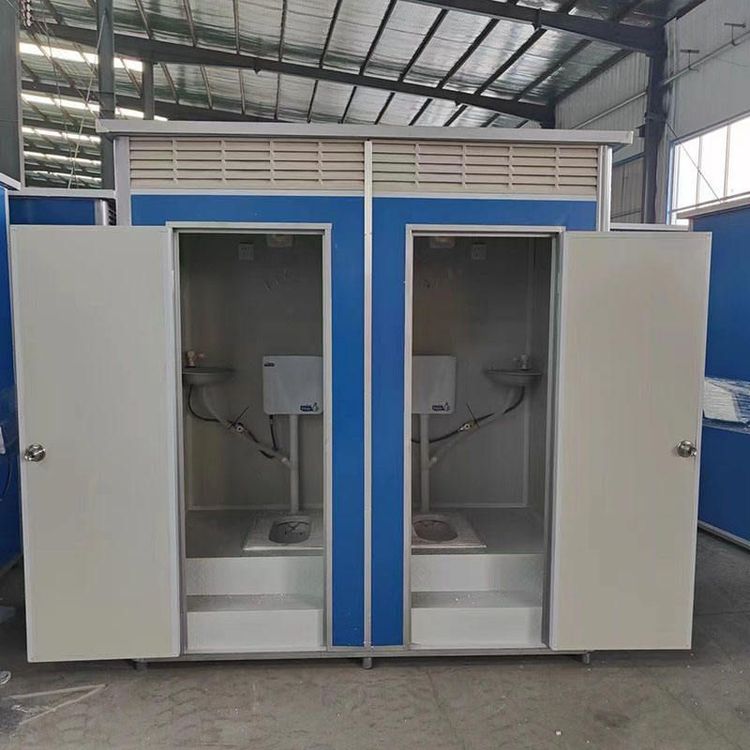
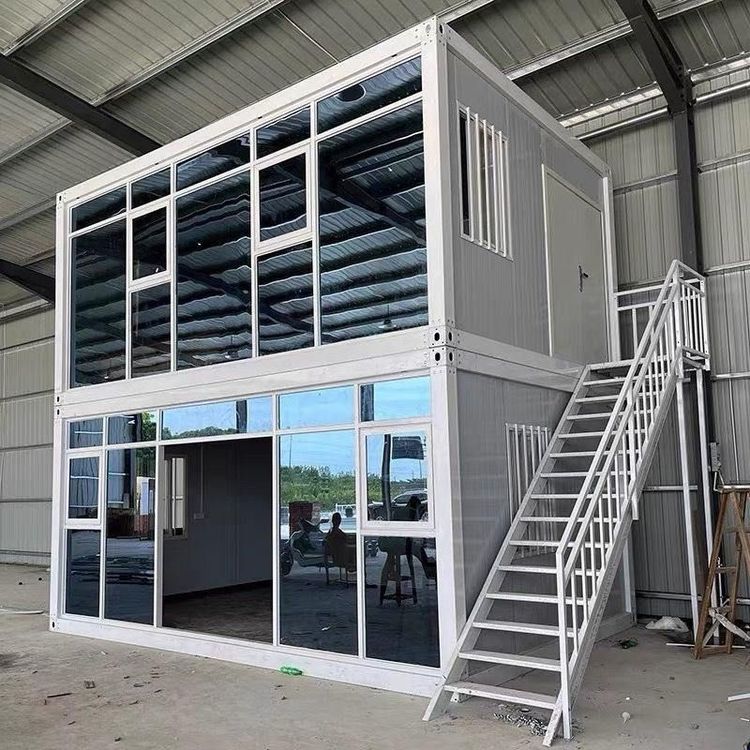
Prefabricated assembly houses in rural areas are a construction model that utilizes factory-prefabricated components assembled on-site. This model offers advantages such as short construction periods, good earthquake resistance, and energy efficiency, and has been applied and promoted in many regions across China.

Construction Model and Characteristics Prefabricated assembly houses for rural areas achieve modular assembly through industrial production. Core components, such as walls and floor slabs, are standardized and prefabricated in factories before being transported to the site for assembly. Taking Zhejiang Province as an example, the main structure of a fully prefabricated house can be erected in about 7 days, significantly shortening the construction period. These houses can withstand seismic intensities up to 7 degrees. The walls are constructed with 25-centimeter-thick reinforced concrete sandwiched with lightweight insulation panels, providing both thermal and sound insulation, along with mature waterproofing technology. The construction process reduces construction waste, dust, and noise pollution, with high material recycling rates, controlled building quality, and a potential increase in usable floor area by about 10% compared to traditional brick-and-mortar structures.
Structural Systems and Types Common prefabricated structural systems include heavy steel frames, special-shaped column frames, and dense-spliced shear walls. In Zhejiang Province, the promoted rural houses mainly feature light steel structures and concrete shear wall structures, with mechanical connections at joints to ensure structural stability. Light steel houses are lightweight and quick to construct, while concrete shear wall structures offer higher load-bearing capacity, both catering to the diverse needs of rural areas.
Applications and Policy Support Governments in various regions have promoted development through technical guidelines, atlases, and financial incentives. For example, 29 households in Yuhuang Community, Fucheng District, Mianyang, Sichuan Province, have adopted light steel prefabricated houses; Hebei Province launched a pilot application system through the "Yunongtong" APP in 2024; and Changsha City initiated a pilot project for rural dilapidated house renovation in June 2024. As a national pilot province for steel structure prefabricated housing, Zhejiang Province has introduced policies such as financial subsidies and housing construction loans. Lin'an District has built multiple light steel demonstration communities and is advancing provincial technical guidelines and the "Rural Housing Construction in Zhejiang" full lifecycle management system.
Technical Advantages and Cost Considerations Prefabricated assembly houses in rural areas can be equipped with rooftop photovoltaic systems and whole-house smart systems, enhancing living comfort and energy efficiency. Although the main structural cost is slightly higher than that of traditional self-built houses, considering the shortened construction period, improved quality, and long-term energy-saving benefits, their cost-effectiveness advantage gradually becomes apparent.