Materials for Rural Portable Toilets
Common materials for rural portable toilets include color-steel plates/metal carved plates, steel, plastic, fiberglass-reinforced plastic, precast concrete components, and brick-concrete materials, each with its own characteristics.

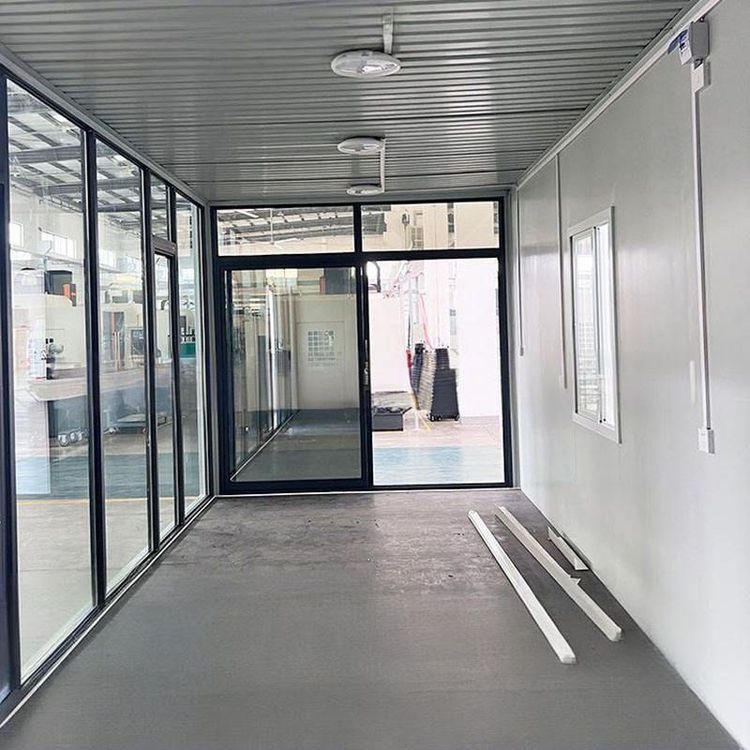
Color-steel plates or metal carved plates are commonly used materials for some portable toilets. For example, the portable toilets produced by Henan Hemai Industrial Co., Ltd. are made from these materials. These materials are cost-effective and suitable for large-scale applications, meeting the general cost-control needs in rural areas.
Steel is the core material for the frame structure of portable toilets. The bottom is usually welded with channel steel or I-beams, while the columns use square steel, forming a stable frame structure through welding. This design not only meets the lifting requirements but also provides a reliable support base for wall materials, ensuring the overall structural stability.
Plastic materials are mainly used for septic tanks in rural portable toilets, commonly seen in PE plastic integrated septic tanks. These products are mostly molded as a whole using rotational molding technology, featuring good toughness and light weight, facilitating transportation and installation. Their excellent sealing performance effectively prevents fecal leakage, making them suitable for decentralized use in rural areas.
Fiberglass-reinforced plastic (FRP) is formed by compounding resin and glass fibers, offering unique performance advantages. Its one-piece molding process eliminates joint seams, providing outstanding anti-seepage performance and strong corrosion resistance, even when in prolonged contact with fecal matter. Additionally, FRP products are lightweight, easy to handle, resistant to acids and alkalis, and not prone to rust, ensuring a long service life under normal use.
Precast concrete components are made from reinforced concrete and produced through standardized factory processes to form the overall structure. This material is characterized by high strength and strong compressive resistance, with better sealing performance than ordinary brick-concrete structures after anti-seepage treatment. Since the production process is completed in the factory, on-site work is minimized, significantly shortening the construction period and making it suitable for scenarios requiring high construction efficiency.
Brick-concrete materials represent traditional construction methods, primarily using red bricks, cement, and sand as the foundation, with walls built using cement mortar. Red bricks are easily accessible, and the construction team has a low operational threshold, making the overall cost controllable. After wall construction, the size of the toilet compartments can be adjusted according to actual needs, offering strong spatial plasticity and suitability for rural areas with flexible functional layout requirements.