
Rural Outdoor Mobile Toilet Design
The design of rural outdoor mobile toilets should focus on structure, functionality, materials, and scene adaptability. The key points are as follows:
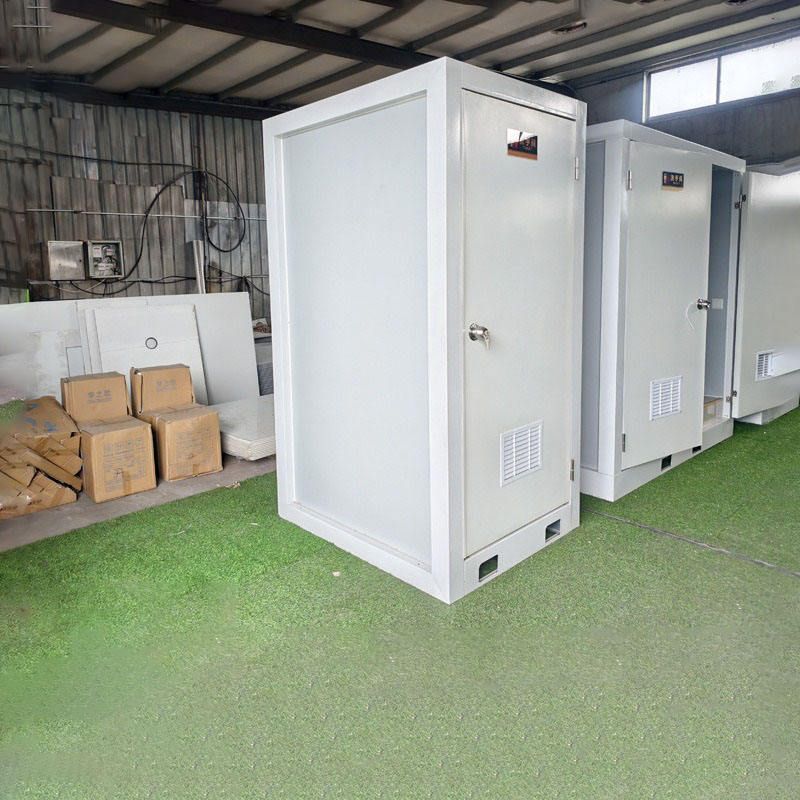
I. Structural Design and Material Selection
The main frame is made of hot-dip galvanized steel, providing high-strength support. The exterior is covered with color-coated steel sheets or fiberglass-reinforced plastic composite materials, offering rust resistance, weather resistance, and easy cleaning. The internal interlayer is filled with 5mm-thick foam insulation material to adapt to outdoor environments with significant temperature differences. The top and bottom are designed separately for easy transportation of individual parts and on-site assembly. The bottom features a 1.5° to 2° anti-leakage slope to accelerate liquid flow into the sewage collection tank and prevent water accumulation and leakage.
II. Functional Configuration and User-Friendly Details
Basic configurations include plastic windows (ensuring privacy and lighting), metal locks, slip-resistant and wear-resistant floors, and sealed doors and windows. Some models are equipped with silent exhaust systems, LED lighting, and ceramic squat toilets with smooth, easy-to-clean glaze. Extended functions can be added as needed, such as showers (with waterproof and sealed designs), sinks, shelves, or water-saving devices. The dry-wet separation design separates wastewater from solid waste through drainage channels and sewage collection buckets. In terms of spatial layout, classic models often feature four independent squat compartments with clear zoning for men and women, reasonable traffic flow, and reduced queuing during peak usage.
III. Technical Adaptability and Environmental Suitability
The ventilation design uses a top-mounted forced exhaust channel to create negative pressure airflow, with a recommended air exchange rate of no less than 3 times per hour per cubic meter to reduce odor retention. The sewage system includes direct-discharge types (high maintenance frequency but low cost, suitable for short-term events) and enclosed types (with shredding pumps, dependent on electricity, suitable for long-term fixed installations). For material weather resistance, fiberglass-reinforced plastic composite materials with stronger temperature tolerance (up to over 20°C temperature difference) should be prioritized in extremely cold or hot regions.
IV. Application Scenarios and Deployment Flexibility
Suitable for areas lacking fixed infrastructure, such as new rural reconstruction projects, rural squares, and temporary event venues, supporting rapid coverage of scattered residential points and addressing the issues of long construction periods and high costs associated with traditional toilets. The equipment can be hoisted and relocated as a whole, with point positions adjusted according to site planning for repeated use, reducing long-term supporting investments.
V. Installation and Maintenance Precautions
Before installation, check the integrity of individual parts and confirm that color-coated steel sheets, foam interlayers, and connectors are not damaged. Assemble the frame according to the instructions, ensuring smooth opening and closing of doors and windows before securing the exterior panels. Avoid hitting the color-coated steel surface with hard objects during use. In winter, prevent water accumulation and freezing, which could damage the structure. For long-term disuse, it is recommended to disassemble and store the equipment in a dry, ventilated place. Regularly maintain the drainage system and sewage collection tank to prevent odor buildup. Welding parts should use continuous full-weld processes to prevent cracking in regions with large temperature differences.



