
Construction of Rural Outdoor Mobile Toilets
The construction of rural outdoor mobile toilets requires consideration of design, materials, functionality, and installation procedures. Below are the specific construction points:
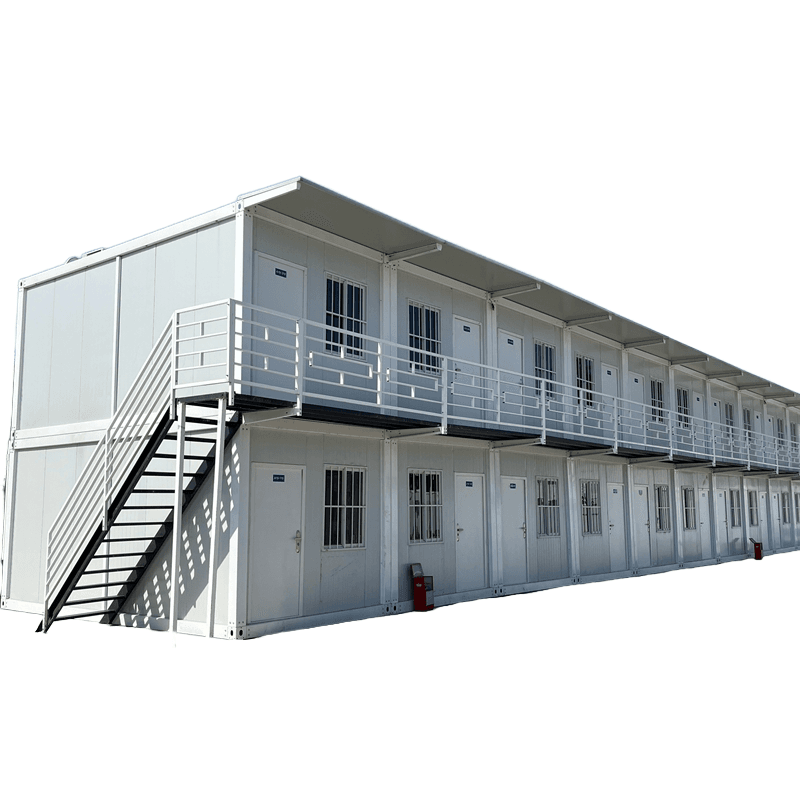
1. Design and Structural Planning Rural-style mobile toilets typically feature either a ridge-top or gable-roof design. The former can be enhanced with thatch decoration for a natural aesthetic, while the latter is supported by 80801.2 steel columns, with the overall frame welded from steel pipes to ensure structural stability. The design should determine dimensions based on the usage scenario (e.g., tourist attractions, construction sites), with common dimensions being 392.9 meters, though customization is possible. The roof should be covered with stainless steel sheets or waterproof materials to prevent rain leakage, and a moisture-proof layer is recommended at the base to avoid ground moisture erosion.
2. Material Selection and Craftsmanship
- Walls and Doors/Windows: Integrated panels or color-coated steel are preferred for wall panels due to their lightweight and durability. Stainless steel or aluminum alloy are recommended for doors and windows for their corrosion resistance, suitable for outdoor environments.
- Interior Decoration: Integrated panels are used for interior walls, providing thermal insulation to adapt to climates with significant temperature variations. The floor should be laid with non-slip tiles or eco-friendly plastic for safety.
- Roof Treatment: If thatch decoration is used, fire-resistant and mold-resistant synthetic materials should be selected. Metal roofs should be treated for rust prevention to extend their lifespan.
3. Functional Configuration and System Installation
- Sanitary Facilities: Choose toilet types based on needs (flush, smart sensor, waterless packing, or microbial degradation). Squat toilets should be equipped with odor-proof floor drains, and men's toilets should have partitions for privacy.
- Auxiliary Systems: Install public sinks, mirrors, and automatic flushing devices (if smart sensor toilets are selected). For tourist attractions, emergency call buttons or air purification equipment can be added.
- Water and Electricity Layout: Flush toilets require reserved water inlet and sewage outlet connections. Waterless packing toilets require regular cleaning of the fecal tank. Microbial degradation toilets need good ventilation to promote microbial activity.
4. Installation Procedures and Precautions
- Foundation Construction: After leveling the ground, lay a concrete foundation and secure the toilet frame, ensuring a horizontal error of no more than 5mm.
- Modular Assembly: For products designed for 'rapid assembly,' install the main structure first, then assemble wall panels, doors, windows, and the roof sequentially. Welding areas should be polished smooth to avoid scratches.
- Acceptance Criteria: Check the smoothness of door and window operation, the tightness of water and electricity connections, and the sensitivity of the flushing system. Test the odor-proof floor drains and ventilation to ensure no odor leakage.
5. Advantages and Suitable Scenarios Rural mobile toilets occupy only 1-2 square meters, offering strong privacy and no odor, making them suitable for temporary or long-term use in tourist attractions, parks, construction sites, etc. Their modular design supports rapid assembly and disassembly, facilitating relocation or adjustment of position.



