
Prefabricated Panels for Rural One-Story Houses
There are both advantages and disadvantages to using prefabricated panels for rural one-story houses, and a careful choice should be made based on the actual situation.
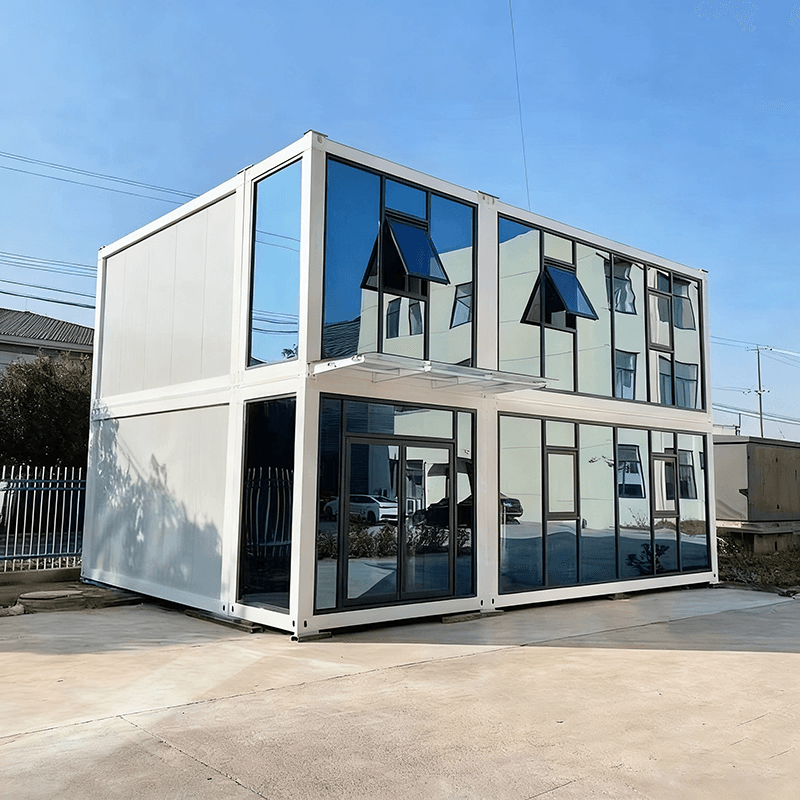
Advantages:
Prefabricated panels are inexpensive and have a fast construction speed. Taking a house with an area of 40 - 50 square meters as an example, the total cost of using prefabricated panel floor slabs is only a little over 800 yuan, and the merchants selling the panels usually take charge of the hoisting process, which can significantly shorten the construction period and reduce labor costs. This characteristic makes them attractive in rural self-built housing scenarios with limited budgets or tight schedules.
Disadvantages:
- Poor waterproof performance: The problem of roof leakage with prefabricated panels is prominent. In actual use, the probability of leakage can be as high as 80%, and it is difficult to ensure 100% waterproofing through construction. Even with secondary waterproofing treatment, long-term exposure to wind and sun can easily lead to the aging and failure of the waterproof layer.
- Weak thermal insulation: Prefabricated panels have a high thermal conductivity efficiency. In summer, the indoor temperature is significantly higher than the outdoor temperature, and in winter, they dissipate heat quickly. Additional thermal insulation layers need to be laid or roofing materials (such as color-coated steel sheets and tiles) need to be covered to improve thermal performance, which increases construction costs.
- Insufficient earthquake resistance: Prefabricated panels are prefabricated components that are simply lapped at both ends on the walls. Even with the installation of ring beams and anchoring measures, their overall integrity is still poor. In earthquake-prone areas, there is a high risk of panel joint cracking and structural collapse, which does not meet the requirements of seismic design codes.
- Low structural durability: Prefabricated panel houses generally have problems such as poor sound insulation and a short service life (about 30 - 50 years). As time goes on, problems such as panel joint cracking and steel bar corrosion worsen. Some regions have already initiated the demolition and renovation of such houses.
Comprehensive suggestions:
If the house is located in a non-seismic zone, has a mild climate, and has a limited budget, prefabricated panels can be used in the short term, but waterproofing treatment should be strengthened and space should be reserved for thermal insulation renovation. If long-term safety and comfort are pursued, it is recommended to use cast-in-place concrete floor slabs or new prefabricated structural systems to improve the overall performance of the house.



