Types of Rural Mobile Toilets
Rural mobile toilets are mainly divided into two categories: those classified by usage scenarios and structures, and those classified by household usage needs. The following types are included:

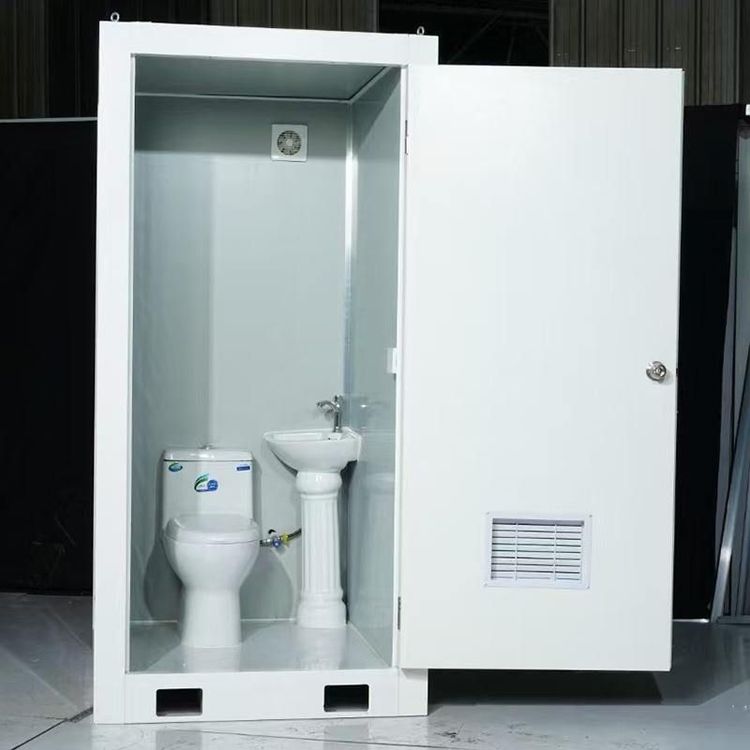
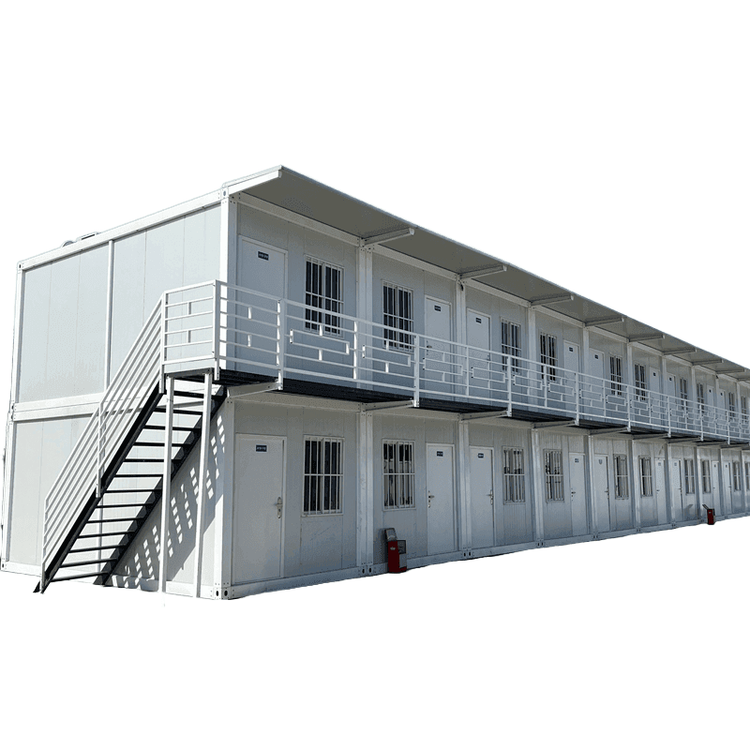
Mobile toilets classified by usage scenarios and structures primarily serve public or temporary needs. Trailer-mounted mobile toilets use a trailer chassis as a carrier and can be quickly relocated with a towing vehicle, suitable for construction sites, temporary gatherings, and other scenarios. They are usually equipped with simple flushing systems or dry treatment devices, balancing convenience with basic sanitation needs. Container-type mobile toilets use standard containers as frames, employing high-strength steel and waterproof, rust-proof coatings. They integrate water-saving flushing systems and sewage tanks inside and can be permanently installed in scenic spots, transportation hubs, and other locations. Their modular design facilitates later maintenance and functional expansion. Modular combination toilets are flexibly assembled through independent functional units (such as toilet compartments, management rooms, and sewage treatment modules), supporting solar power and biodegradation technologies. They are particularly suitable for tourist-concentrated areas or ecologically sensitive zones and can be dynamically adjusted in scale according to visitor traffic. Eco-friendly toilets include two types: microbial degradation and foam sealing. The former decomposes excrement through microbial colonies, requiring a treatment temperature of 15-40°C, with the final product being organic fertilizer. The latter uses foaming liquid to cover the surface of excrement, consuming less than 0.3L of water per use, but requiring regular replenishment of microbial agents or foaming liquid to maintain system stability. Barrier-free mobile toilets strictly adhere to the GB/T 18973-2016 standard, with door widths ≥0.9 meters, equipped with handrails, non-slip floors, and emergency call buttons inside. They cost 30%-50% more than ordinary models and primarily serve elderly individuals or people with disabilities.
Mobile toilets classified by household usage needs focus more on privacy and operational convenience. Portable toilets are made of high-strength plastic materials, equipped with detachable waste tanks and sealed lids, lightweight and easy to clean, suitable for temporary living scenarios or placement in elderly rooms. Some models support folding for space-saving. Biodegradable household toilets accelerate the decomposition of excrement into mature compost by adding microbial decomposers. The converted organic fertilizer can be directly used for vegetable garden fertilization, achieving resource recycling, but require regular replenishment of microbial agents to maintain decomposition efficiency. Waterless flush household toilets use special sealing structures and adsorbent materials (such as activated carbon and wood chips) to suppress odor diffusion through physical isolation and chemical adsorption, without the need for connection to water supply and drainage systems. They are suitable for water-scarce areas or remote rural households but require regular replacement of adsorbent materials to ensure effectiveness.
The above types cover diverse needs from temporary events to long-term household use. When selecting, it is necessary to comprehensively consider usage scenarios, budget, maintenance costs, and environmental requirements. For example, construction sites can prioritize trailer-mounted or container-type toilets; eco-scenic areas are suitable for modular combination or eco-friendly toilets; household users can choose portable or waterless flush toilets based on space conditions and water availability.