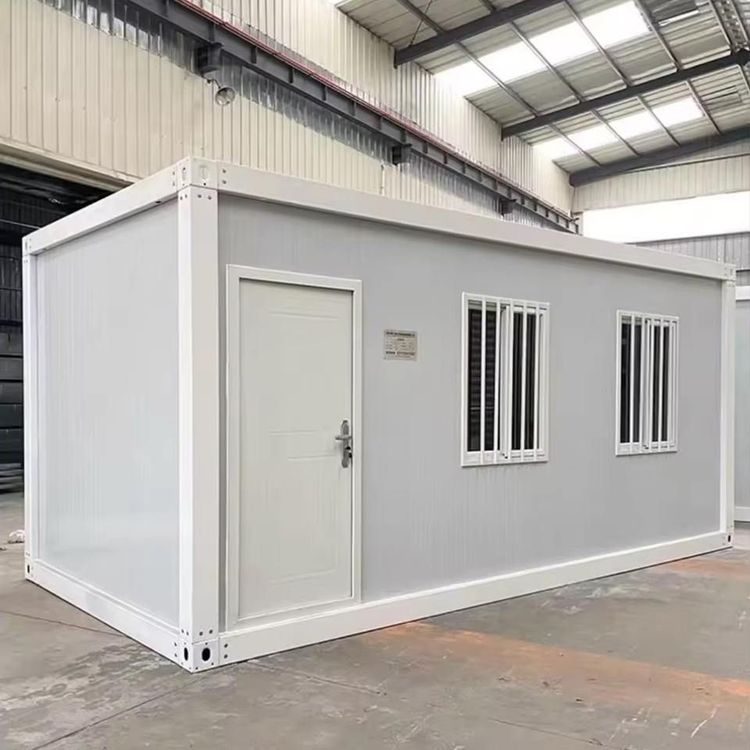
Are Rural Mobile Toilets Easy to Sell?
Whether rural mobile toilets are 'easy to sell' requires a comprehensive assessment based on supporting services and demand scenarios. Selling equipment alone is challenging, but the rental + operation and maintenance model holds long-term potential.

Dual Drivers of Policy and Demand Propel the Market
The core demand for rural mobile toilets stems from policy initiatives and practical needs. On one hand, policies such as the 'Toilet Revolution' and rural living environment improvement under the rural revitalization strategy explicitly encourage the use of modular and movable public toilets, with some regions supporting market development through bundled procurement models of 'rental + operation and maintenance'. On the other hand, the transformation of rural dry toilets has created rigid demand, with the national rural sanitary toilet coverage rate reaching 77% by 2025, and long-term service needs arising from facility maintenance (e.g., septic tank cleaning and pipe unclogging). For example, tourism and construction site demand in Ningxia have driven annual growth of approximately 15%, with the market size expected to exceed 100 million yuan by 2025.
The Core Industry Challenge Lies in Operation and Maintenance, Not Equipment Sales
Competition in the mobile toilet market focuses on fecal waste removal, environmental compliance, and operation and maintenance services, rather than solely on equipment sales. In the Hebei market, eco-friendly toilets account for over 60% of the market share, with smart features gradually becoming widespread. However, high operational costs and a lack of standardization remain common issues. The rural market relies more on word-of-mouth and repeat services, making it difficult to generate sustained revenue through equipment sales alone. Establishing customer loyalty requires defining fixed service areas and standardizing disposal channels (e.g., sealed transportation and designated treatment sites). For instance, some regions in Ningxia have lower market penetration than the national average due to a lack of standardized operation and maintenance.
Significant Regional Variations Require Customized Solutions
Demand varies significantly across regions, necessitating assessments based on economic levels, activity frequency, and policy enforcement. The Hebei market exhibits a 'strong south, stable north' pattern, with dense service coverage in cities like Shijiazhuang and basic models dominating in third- and fourth-tier cities. In contrast, the Ningxia market is driven by tourism and construction site demand but faces operational cost challenges. Rural scenarios require themed toilets for temporary events like festivals and fairs, or energy-saving technologies like solar power to enhance competitiveness.
Conclusion: The rural mobile toilet market is supported by policies and demand, but the key to being 'easy to sell' lies in providing supporting operation and maintenance services, meeting environmental standards, and enhancing value through customized solutions. Selling equipment alone may face thin profits and homogeneous competition, while the rental model combined with long-term operation and maintenance services offers greater development potential.