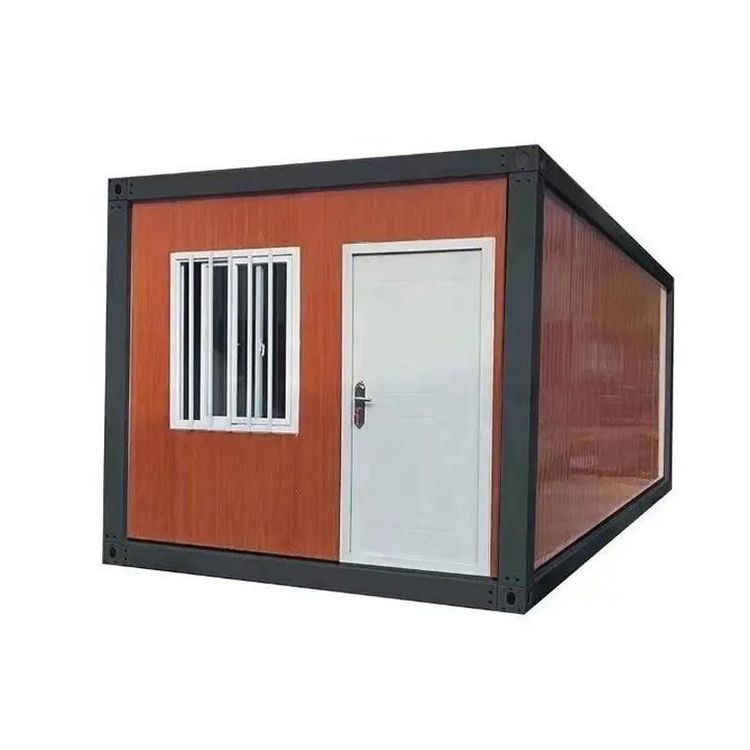
Quality of Rural Mobile Toilets
The quality of rural mobile toilets should be comprehensively evaluated from multiple dimensions, including materials, structure, sewage disposal systems, supporting facilities, and relevant certifications. High-quality products must meet requirements such as high strength, corrosion resistance, good sealing, complete functionality, and compliance with industry standards.

1. Structure and Materials: Core Support and Durability The main frame of high-quality mobile toilets is usually made of hot-dip galvanized steel pipes or steel structures. These materials have characteristics such as high strength, corrosion resistance, and wind pressure resistance, enabling them to adapt to complex outdoor environments. For wall materials, the exterior walls often use metal carved panels or color-steel composite panels, which combine aesthetics with durability. The interior walls adopt materials like stone-plastic panels or aluminum-plastic panels that are easy to clean and moisture-proof, reducing bacterial growth. The interior of the walls needs to be filled with flame-retardant insulation materials to enhance cold resistance in winter. The floor requires waterproof and anti-slip treatment, commonly using anti-slip patterned aluminum panels or reinforced composite flooring to avoid safety hazards caused by water accumulation or moisture.
2. Sewage Disposal System: Technical Core and Applicability The sewage disposal system is the core technical aspect of mobile toilets, and the appropriate type should be selected according to the usage scenario:
- Water-flush direct-discharge type: It needs to be connected to municipal sewage pipes. The quality standard is a stable flushing system that saves water to avoid waste of water resources.
- Water-free packing type/microbial degradation type: Suitable for remote areas without sewage pipe networks. The key to quality lies in good sealing, no odor leakage, and high microbial degradation efficiency to ensure harmless treatment of feces.
- Recirculating water flushing type: It purifies the flushing water through biological treatment technology and reuses it. It is necessary to focus on evaluating the water purification effect and the stability of the recirculating system to avoid secondary pollution.
3. Supporting Facilities and Functions: User Experience and Safety The basic configuration should include exhaust fans, lighting fixtures, sinks, mirrors, and storage racks to meet daily usage needs. The ventilation and exhaust system is crucial for preventing odor accumulation. It should be equipped with high-power exhaust fans or active fresh air systems to ensure air circulation. The electrical wiring should adopt moisture-proof and waterproof designs and be equipped with grounding protection to avoid the risk of electric leakage. In addition, the provision of barrier-free facilities (such as handrails and ramps) can enhance the convenience of use for special groups.
4. Standards and Certifications: Basis for Quality Assurance The production of mobile toilets must comply with national standards, such as GB/T 18092 - 2000 Waterless Sanitary Toilets and CJ/T 378 - 2011 Portable Toilets. These standards have clear provisions on indicators such as the structural strength, sewage disposal efficiency, and material safety of toilets. When purchasing, you can request the manufacturer to provide test reports or certification certificates to ensure product compliance.