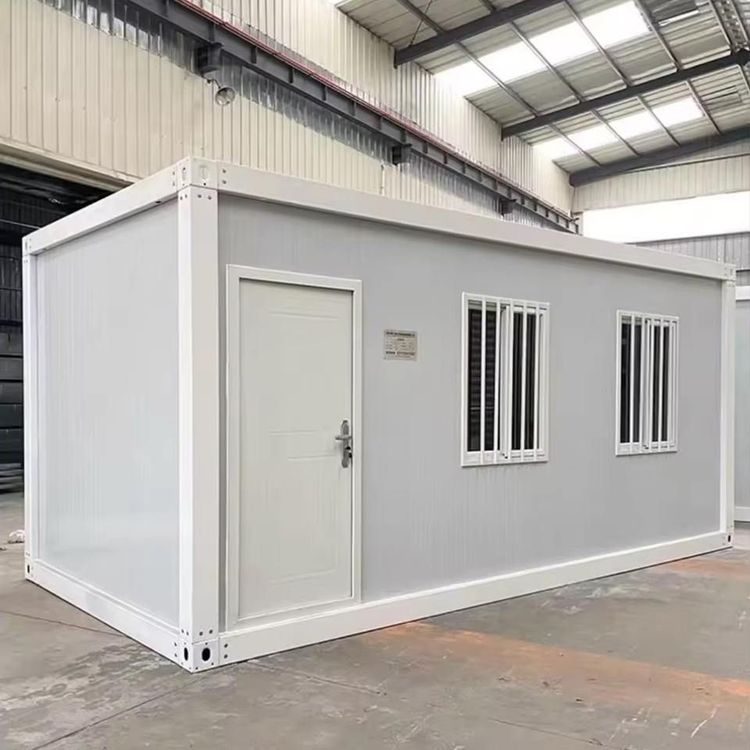
How to Remove Odors from Rural Mobile Toilets
Odor removal in rural mobile toilets can be approached through ventilation, physical adsorption, biological and chemical cleaning, and other methods, providing a multi-dimensional comprehensive solution to odor problems.

I. Optimize the Ventilation System
Ventilation is a fundamental measure for odor removal. Independent toilet houses should be equipped with exhaust pipes that extend half a meter above the roof, utilizing air convection to accelerate the expulsion of odors. Attached toilets should ensure at least six air changes per hour and be ventilated through open windows for at least 15 minutes after daily use. The first compartment of the septic tank should have an independent exhaust pipe, with the outlet extending above the roof and fitted with a rain cap, allowing harmful gases such as hydrogen sulfide and ammonia to be directly vented into the sky for dilution, preventing their accumulation inside the toilet house.
II. Utilize Physical Adsorption Materials
Place bamboo charcoal bags or wood charcoal blocks (one to two fist-sized pieces per cubic meter) in the corners of the toilet house. Their porous structure efficiently adsorbs odor molecules, is low-cost, and pollution-free, requiring replacement every one to two months. Alternatively, wrap activated carbon or wood charcoal in gauze and hang it inside the toilet, periodically exposing it to sunlight to restore its adsorption capacity for reuse.
III. Combine Biological and Chemical Cleaning
- Chemical Decomposition: Pour white vinegar and baking soda in a 1:1 ratio into the drain weekly to decompose dirt and inhibit bacterial growth. Regularly sprinkle superphosphate or quicklime around the fecal storage tank to neutralize ammonia. Directly sprinkle a small amount of superphosphate or ferrous sulfate into the toilet pit to react with sulfides and inhibit the production of hydrogen sulfide.
- Biological Degradation: Apply biological enzyme preparations monthly to reduce gas production at the source. Add microbial agents containing Bacillus subtilis and Bacillus licheniformis to the septic tank to actively decompose organic matter and reduce odor concentration.
IV. Auxiliary Odor Removal Methods
- Acid-Base Neutralization: Ammonia, a major component of odors, is alkaline. Place vinegar in an open container in a corner or regularly spray diluted vinegar solution to eliminate ammonia odors through acid-base reactions.
- Covering and Masking: Place open mentholatum ointment at low levels to mask odors with its scent. Burn dry mugwort under safe conditions; the smoke can sterilize, deodorize, and repel mosquitoes.
- Moisture Absorption and Disinfection: Sprinkle quicklime powder around the toilet pit or on the floor to absorb moisture, disinfect, and neutralize some acidic odors at a low cost.
By comprehensively applying the above methods, odor problems in rural mobile toilets can be effectively controlled, enhancing user comfort and environmental hygiene levels.