Back to blog
Article
Methods for Rural Mobile Toilets
Admin September 27, 2026
The installation and application of rural mobile toilets should follow scientific standards, covering aspects such as site selection, installation, and maintenance. The specific methods are as follows:

I. Type Selection and Basic Concepts
Mobile toilets are made of lightweight materials for easy transportation and are classified into three types based on function:
- Packing-type: Store waste using replaceable collection bags, suitable for areas without water and electricity.
- Biodegradable-type: Utilize microorganisms to decompose excreta, achieving harmless treatment.
- Recirculating-flush-type: Use a small amount of water for recirculating flushing, requiring a simple wastewater treatment system.
II. Site Selection and Foundation Treatment
- Site Selection Requirements: Choose a flat area away from water sources (at least 30 meters) and kitchens to avoid contaminating groundwater and affecting the living environment.
- Foundation Construction: Lay 5-10 cm of gravel or concrete to ensure a flat surface with adequate load-bearing capacity, preventing toilet tilting or settlement.
III. Transportation and Installation
- Transportation Tools: Use cranes or forklifts for handling to avoid structural damage caused by manual dragging.
- Installation Steps: Place the toilet steadily on the foundation, adjust it to a level state using a spirit level, and ensure smooth opening and closing of doors and windows.
IV. Water and Electricity Connections and Safety Inspections
- Water Pipe Connection: Use leak-proof connectors and test the water for 5 minutes after connection to confirm no leakage.
- Circuit Connection: Operated by a professional electrician, using waterproof sockets and leakage protection devices to avoid short circuits in humid environments.
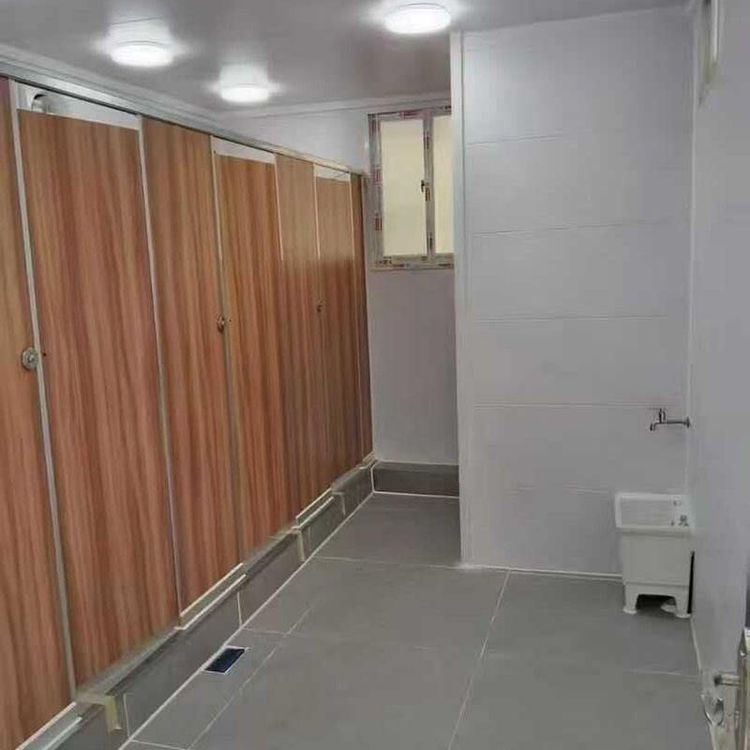
- Facility Inspection: After installation, test the toilet flushing and sink drainage functions, clean the interior, and place toilet paper and trash bins.
V. Usage and Maintenance Specifications
- User Education: Post operating instructions to remind users to flush after use and dispose of trash in bins, avoiding blockages caused by throwing debris randomly.
- Regular Cleaning:
- Packing-type: Replace collection bags daily;
- Biodegradable-type: Add microbial agents weekly;
- Recirculating-flush-type: Clean the filter every 3 days.
- Disinfection Treatment: Wipe walls and floors with chlorine-containing disinfectants weekly to kill pathogens.
VI. Environmental Adaptability and Cost-effectiveness
- Arid Areas: Prioritize water-free or solar-powered models to reduce operating costs;
- Remote Areas: Adopt waste resource utilization designs (such as biological fermentation for fertilizer production) to reduce collection and transportation frequency;
- Cost Advantages: Initial investment is 30%-50% lower than that of fixed toilets, and they can be reused, making long-term maintenance more convenient.
Through scientific planning and standardized operations, mobile toilets can effectively solve rural sanitation problems while considering environmental protection and cost-effectiveness.